The trade imbalance between Iraq and Brazil widened sharply in 2025. Data from the United Nations COMTRADE show Iraqi exports to Brazil remained minimal, totaling only $3.06 million. In contrast, Brazil’s exports to Iraq soared to about $1.49 billion. This disparity highlights the growing trade gap.
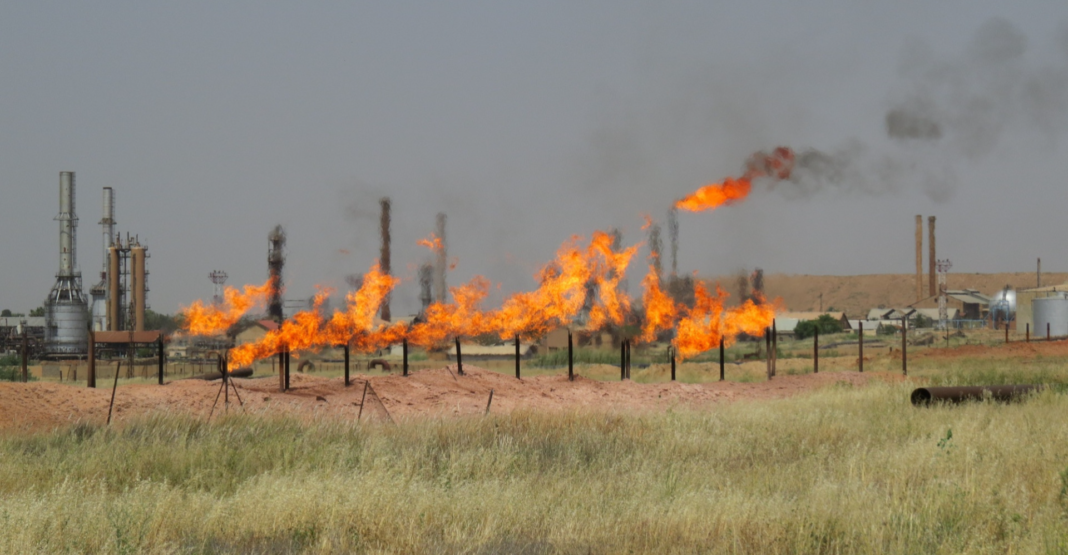
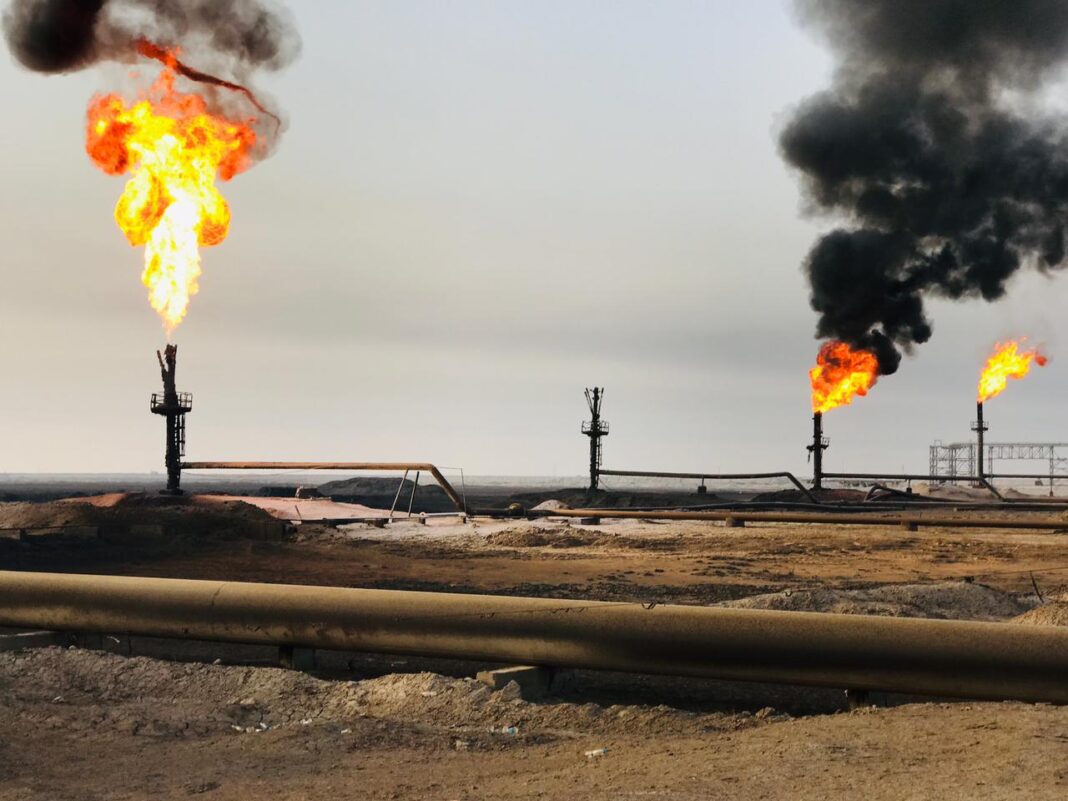
Iraq shipped mainly crude oil to Brazil, along with small amounts of mineral products. Overall, Iraqi oil exports reached roughly 34,000 barrels during the year. Compared with Europe, Brazil remained a minor destination. Greece and Spain continued to dominate Iraq’s oil trade.
Meanwhile, Brazilian goods flooded the Iraqi market. Food and agricultural products drove the surge, including sugar, oils, and meat. Analysts note that this strong demand reflects Iraq’s growing consumer needs and Brazil’s capacity to meet them efficiently.
The trade gap has raised concerns among policymakers in Baghdad. They emphasize the importance of diversifying Iraq’s exports to reduce reliance on oil markets and avoid future imbalances. Experts suggest exploring machinery, chemicals, and manufactured goods for potential growth.
Economists also point out that Brazil benefits from Iraq’s large import appetite. The country’s agricultural sector finds a ready market in Iraq, especially for sugar and meat. This situation strengthens Brazil’s economic influence in the Middle East.
Furthermore, Iraq-Brazil trade gap hits $1.48B demonstrates how quickly disparities can grow when one country dominates imports. Experts warn that without strategic planning, Iraq risks deepening the imbalance in the coming years.
Trade officials are now considering measures to boost exports. They plan to negotiate bilateral agreements and invest in logistics improvements. At the same time, Brazil continues to expand its trade footprint with competitive pricing and diversified offerings.
In conclusion, Iraq-Brazil trade gap hits $1.48B underscores a significant challenge for Iraq. Policymakers face pressure to increase exports, promote industrial development, and strengthen economic partnerships. Meanwhile, Brazil maintains its position as Iraq’s primary supplier of essential goods.
With strategic action, Iraq could narrow the gap in the future. However, immediate steps are crucial to balance trade and support sustainable economic growth.