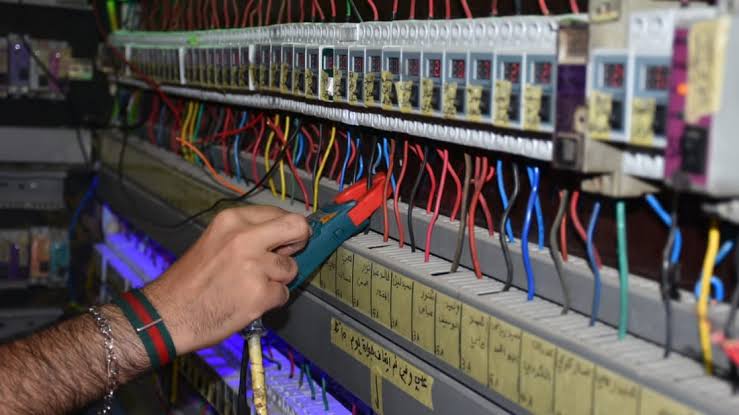
The Iraq summer electricity support plan entered a new phase after the Iraqi government approved free diesel supplies for private generators. Officials hope the measure will improve power availability during the hottest months of the year.
On Saturday, the cabinet approved a package aimed at strengthening electricity services. Consequently, private generator owners will receive free diesel during July and August.
According to Prime Minister Ali Al-Zaidi’s office, operators will receive 45 liters of diesel for each 1 KVA of capacity. However, providers must meet several conditions.
First, residents must receive electricity for at least 20 hours each day. In addition, private generators must supply power for 12 hours daily. Operators will coordinate these schedules with the national grid.
Meanwhile, the government also instructed provincial authorities to determine fair prices for amperes. Therefore, local administrations will oversee pricing policies in their respective areas.
Furthermore, the High Commission for Coordination among Provinces will create monitoring mechanisms. Officials will work alongside the Ministry of Electricity and the National Security Service. Together, they aim to ensure proper implementation.
Moreover, Al-Zaidi called for stronger electricity services across the country. He also urged institutions to improve grid stability. At the same time, he stressed the importance of protecting the Tigris River from pollution.
The Iraq summer electricity support initiative comes as the country struggles with rising energy demand. Every summer, soaring temperatures increase pressure on the national grid.
Currently, Iraq requires more than 60,000 megawatts to meet demand. However, available generation falls short by nearly 40,000 megawatts. Consequently, many regions experience frequent outages.
Several factors continue to worsen the crisis. For example, fuel shortages create major obstacles for power plants. Likewise, gas supply disruptions affect electricity production.
In addition, aging transmission and distribution networks reduce efficiency. Authorities continue to address these problems through infrastructure projects. However, progress requires time and significant investment.
Moreover, Iraq still depends heavily on imported gas to operate many facilities. Therefore, external factors often influence domestic electricity supplies.
Despite these challenges, the government hopes the new measures will ease pressure during the summer season. Officials expect private generators to play a larger role in supporting residents.
At the same time, authorities plan to strengthen oversight and improve coordination. These efforts seek to provide more reliable electricity services nationwide.
As temperatures continue to rise, many citizens hope the latest measures will reduce outages. Therefore, the Iraq summer electricity support program has become a key part of the government’s seasonal strategy.