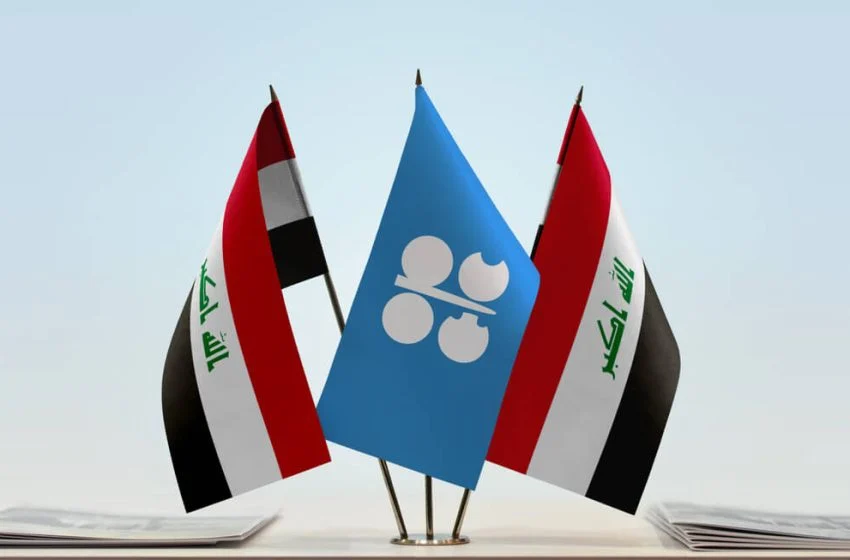
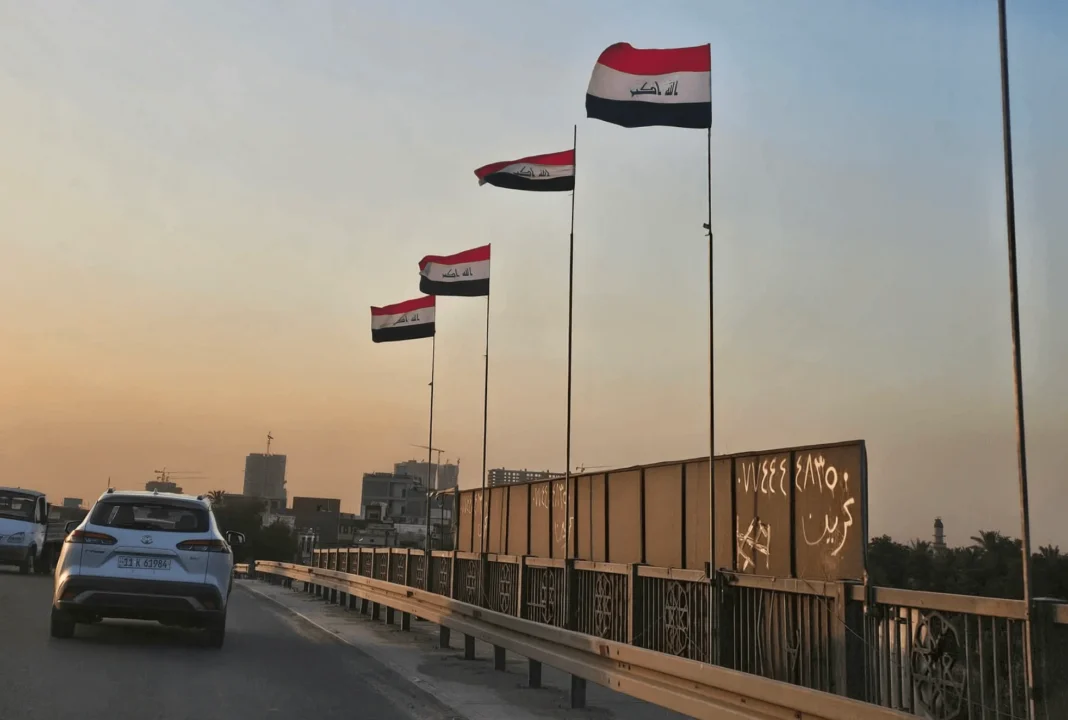
The display of the Iraqi national flag has gained renewed attention in Baghdad after authorities raised the national flag over key bridges following the removal of factional banners.
Authorities in Baghdad’s Dora area removed flags and banners linked to armed groups from two major bridges. Shortly after, officials raised the Iraqi flag on Al-Jamiya Bridge and Al-Mechanic Bridge.
Moreover, the move sparked wide public attention across the capital. Many citizens welcomed the decision as a step toward reinforcing national identity.
In addition, supporters argued that public spaces should reflect state authority only. They stressed that national symbols should dominate major infrastructure sites.
Consequently, Iraqi national flag display became a symbol of growing efforts to strengthen unity in public areas. Observers linked the decision to broader political changes in the country.
Furthermore, officials emphasized that the Iraqi flag should appear prominently at state institutions. They also suggested limiting other flags to specific environments.
These locations include diplomatic missions and official provincial buildings. They also include religious sites and areas within the Kurdistan Region.
Meanwhile, public debate increased over the presence of multiple flags in Baghdad. Some residents called for stricter regulations on public symbols.
Additionally, citizens expressed frustration over visible political and factional divisions. Many linked these divisions to Iraq’s wider regional challenges.
In particular, concerns grew during recent regional conflicts involving Iran, Israel, and the United States. Those tensions intensified public discussion about sovereignty and neutrality.
As a result, Iraqi national flag display now reflects a broader push to redefine public identity. Analysts say the issue connects deeply with national unity debates.
Moreover, experts view the removal of factional banners as part of a larger state-building effort. They argue that authorities aim to strengthen institutional authority.
At the same time, discussions continue about the role of armed groups in public life. Many citizens call for clearer boundaries between state and non-state symbols.
Furthermore, some analysts suggest new regulations could reduce visual fragmentation in urban areas. They believe such steps could reinforce a unified national image.
Meanwhile, Iraq’s current administration under Prime Minister-designate Ali Al-Zaidi continues reforms. Officials aim to present stronger government control across public spaces.
Therefore, Iraqi national flag display remains central to ongoing debates about identity and governance. Authorities continue to balance national symbolism with political realities.
Ultimately, the recent actions in Baghdad highlight growing efforts to emphasize unity. They also reflect an evolving discussion about Iraq’s future direction.