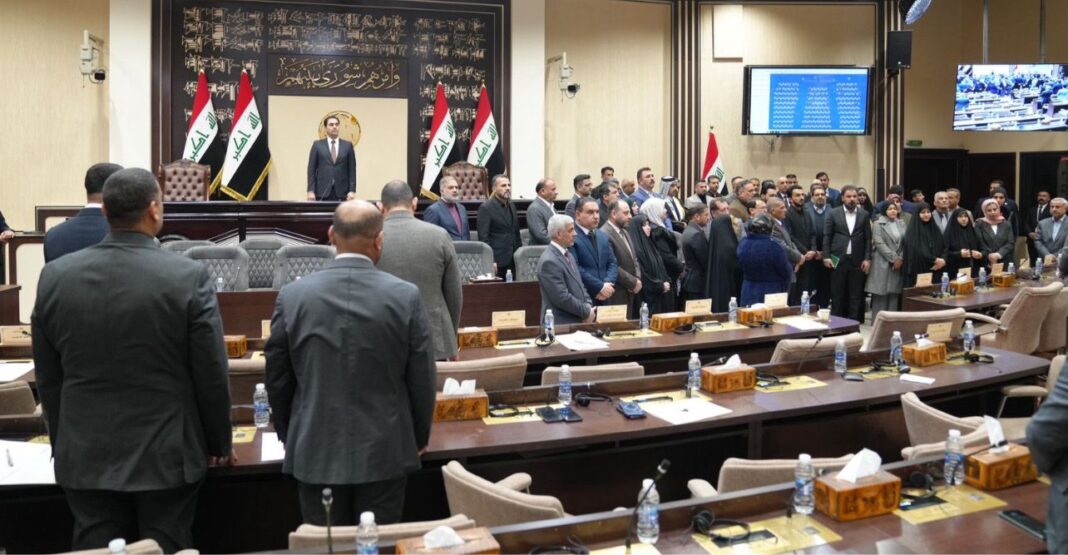
Iraq’s Parliament postponed voting on amendments to the Political Prisoners Foundation Law. The delay happened after lawmakers from the Kurdistan Region left the session, causing quorum to break. This unexpected walkout followed intense debates about the proposed changes.
Kurdish parties argue the bill ignores key concerns, especially the ongoing exclusion of Halabja’s chemical attack victims. These victims have not received full recognition or benefits, despite their legal inclusion. The issue remains a significant source of frustration.
Patriotic Union of Kurdistan (PUK) MP Kordo Omar explained that Kurdish concerns were dismissed during the session. Meanwhile, Kurdistan Islamic Union MP Muthanna Amin criticized the current bill version. He said the draft “fails to ensure justice for many in the Kurdistan Region.”
Amin pointed out that although Halabja victims are listed under the law, they have not received compensation since the law’s last revision in 2013. Additionally, he mentioned uneven benefit distribution. Former detainees in Kurdistan face delays and reduced payments compared to those in other Iraqi provinces.
The two main Kurdish blocs—the Kurdistan Democratic Party (KDP) and the PUK—both oppose the draft amendment. They fear it could weaken protections for Peshmerga fighters and other former opposition members. Together, these factions wield significant influence in Iraq’s 329-seat parliament.
As a result, the future of the Political Prisoners Foundation Law amendments remains uncertain. Lawmakers must resolve Kurdish grievances to move forward. Without consensus, the bill’s progress faces serious challenges.
This postponement highlights ongoing tensions between Baghdad and the Kurdistan Region. It also reflects deeper political divisions over how to address the rights of political prisoners and victims.
The government faces pressure to ensure fair treatment for all groups. Meanwhile, Kurdish lawmakers demand respect for their region’s unique history and needs. The debate over the Political Prisoners Foundation Law continues as a critical test for Iraq’s unity and justice system.