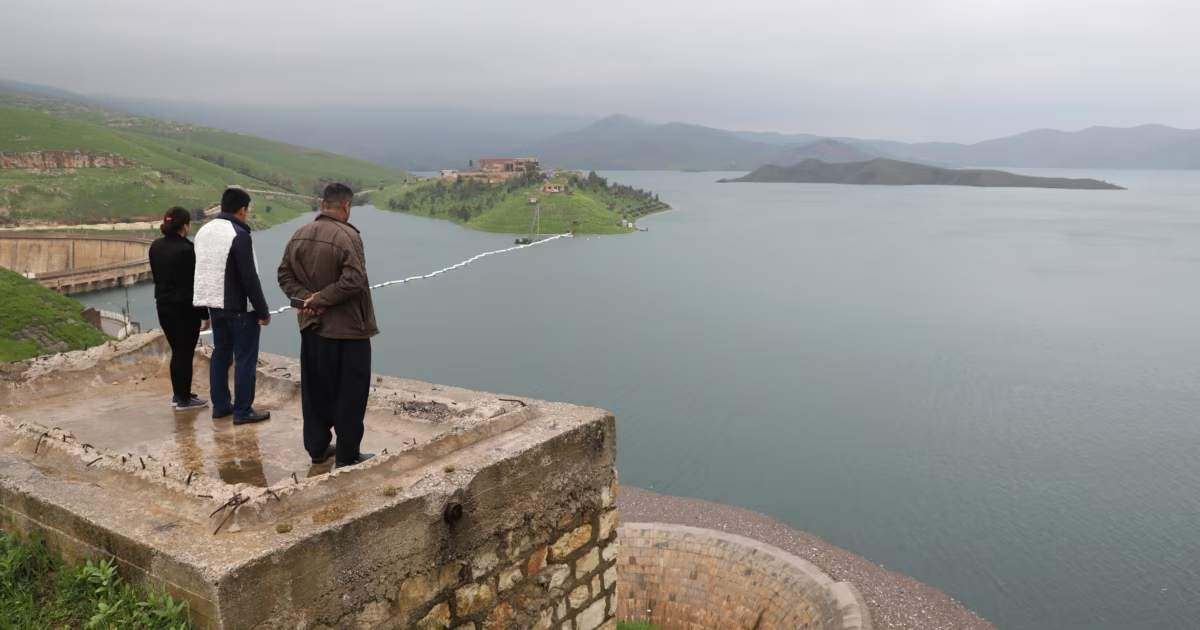
Iraq’s water reserves rise sharply as major dams across the country approach full capacity after months of heavy rainfall. Furthermore, officials expect the increased storage levels to improve water security during the difficult summer season.
The Ministry of Water Resources confirmed that several strategic dams along the Tigris River now hold significantly higher water levels. In addition, authorities believe the stronger reserves could ease pressure on agriculture, electricity production, and drinking water supplies.
Water Resources Minister Aoun Diad stated that Iraq’s water reserves are rising because of increased rainfall and stronger water flows from neighboring countries. Consequently, major dams including Dukan, Darbandikhan, and Hamrin are nearing their maximum storage levels.
Diad described the situation as encouraging after years of drought and declining river levels. Moreover, he stressed that the additional reserves would help Iraq manage rising summer demand.
The government expects the stored water to support millions of citizens across the country. At the same time, officials hope the reserves will strengthen irrigation systems for farmers facing harsh climate conditions.
State media reported that the improved water levels already helped restart operations at the Mosul Dam hydroelectric station. The facility had remained closed for nine months because of critically low reservoir levels.
The Ministry of Electricity confirmed the power station resumed operations in March. Furthermore, officials expect the restart to reduce electricity shortages during peak summer consumption.
Mosul Dam remains Iraq’s largest hydroelectric facility. Therefore, its return adds important support to the country’s struggling energy grid. Iraq has recently faced growing fuel shortages alongside rising electricity demand.
Iraq’s water reserves rise after several years of severe drought damaged rivers, farmland, and power generation. Meanwhile, climate experts continue warning about long-term environmental risks across the region.
Temperatures in Iraq frequently exceed extreme levels during the summer months. As a result, demand for electricity and water sharply increases nationwide. Authorities, therefore, continue searching for solutions to prevent future shortages.
Baghdad has repeatedly criticized upstream water policies in Turkey and Iran. Iraqi officials argue that dams built on the Tigris and Euphrates rivers reduced water flows entering Iraq. Consequently, river levels inside the country dropped significantly in recent years.
The declining flows created major challenges for agriculture and drinking water supplies. In addition, low reservoir levels disrupted hydroelectric production and increased pressure on Iraq’s fragile energy infrastructure.
Despite the recent improvements, experts warn that Iraq still faces serious long-term water challenges. Climate change, population growth, and regional water disputes continue threatening the country’s future supplies.
Officials nevertheless welcomed the latest developments because they offer temporary relief after years of crisis. Many residents also hope stronger reserves will reduce blackouts and improve farming conditions this summer.
Analysts believe continued cooperation with neighboring countries remains essential for protecting Iraq’s water security. Meanwhile, authorities continue monitoring reservoir levels closely as summer temperatures approach.