Iraq war victims’ compensation became a central issue on Tuesday after Baghdad approved new financial support measures. The decision followed weeks of deadly attacks across Iraq and the Kurdistan Region. Moreover, officials confirmed that hundreds of families suffered losses during the recent regional conflict.
Prime Minister Mohammed Shia’ al-Sudani chaired the cabinet meeting in Baghdad. During the session, ministers reviewed the country’s security and humanitarian conditions. In addition, the government approved financial payments for families of those killed and injured during the conflict.
The cabinet statement confirmed that Iraq war victims’ compensation will include civilians affected inside both the federal Iraq and the Kurdistan Region. Furthermore, officials said the payments will support families struggling with medical costs, property damage, and economic hardship.
The conflict erupted on February 28 after the United States and Israel launched a major aerial campaign against Iran. The operation targeted more than 17,000 locations across Iranian territory. Consequently, tensions quickly spread throughout the Middle East.
Iran later responded with missile and drone strikes against alleged American-linked targets in several regional states. At the same time, Tehran intensified attacks against Israel. Meanwhile, armed groups aligned with the so-called Axis of Resistance also escalated operations inside Iraq and nearby areas.
Several Iraqi factions claimed responsibility for attacks targeting alleged U.S. assets inside Iraq and the Kurdistan Region. As a result, local communities faced continuous security threats during the six-week conflict.
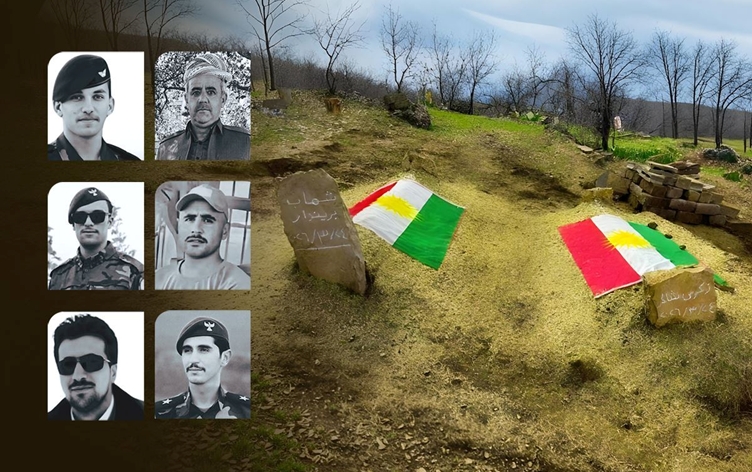
The Kurdistan Regional Government later released updated casualty figures. According to the Department of Media and Information, attacks between late February and April 20 killed 20 people and wounded 123 others. Additionally, hundreds of civilians reported damage to homes, workplaces, and vehicles.
Officials stated that Erbil province recorded the highest number of incidents. The province experienced 477 attacks, including 419 drone strikes and 58 missile attacks. Meanwhile, Sulaimani province endured 235 incidents. Duhok recorded 29 attacks, while the Soran district faced 68 separate strikes.
The regional government strongly condemned the violence throughout the conflict. Furthermore, Kurdish officials repeatedly urged Baghdad to identify those responsible for the attacks. They also demanded stronger measures against armed groups operating outside state control.
Iraq war victims’ compensation remains a sensitive political issue because many families continue facing economic difficulties. In addition, rights groups warned that civilians still live under constant fear despite the ceasefire agreement.
On April 8, Iran and the United States agreed to a Pakistan-mediated ceasefire. The agreement temporarily halted hostilities and opened space for negotiations. However, talks later ended without a final breakthrough on April 11.
Pakistan has continued mediation efforts between Washington and Tehran in recent weeks. Nevertheless, negotiators still have not reached a lasting agreement.
Despite the ceasefire, attacks in the Kurdistan Region have continued. Community Peacemaker Teams, a regional human rights organization, reported 48 additional attacks after the truce began. Consequently, concerns over civilian safety remain high across northern Iraq.
Analysts believe Iraq war victims’ compensation could reduce public anger if authorities distribute payments quickly and transparently. However, many residents continue demanding accountability for the attacks and stronger protection measures for civilians.