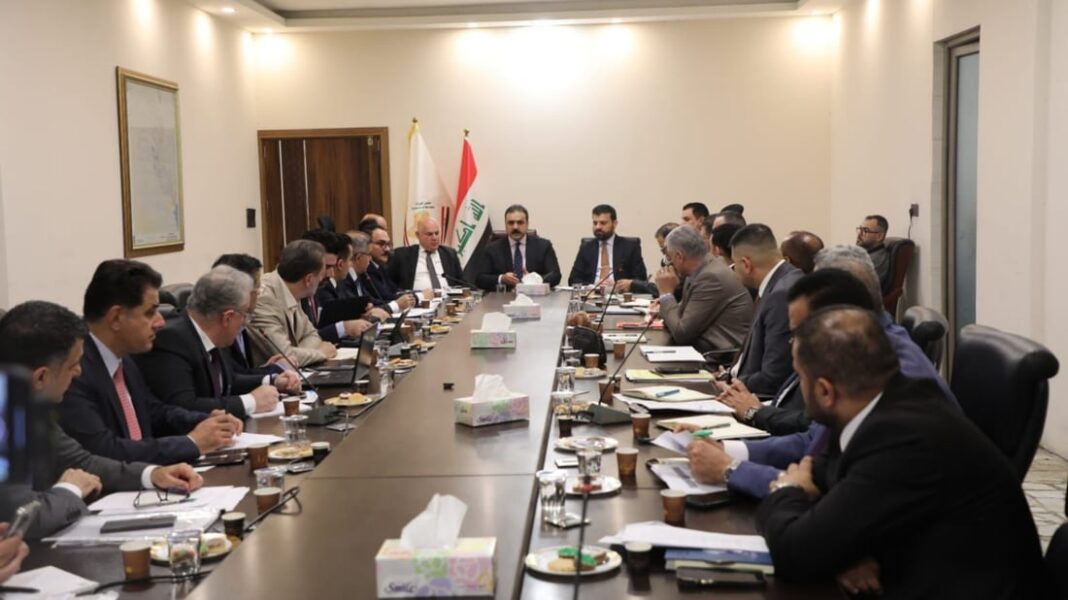
Prime Minister-designate Ali al-Zaidi accelerated Iraq government formation talks on Wednesday after meeting several senior Coordination Framework leaders in Baghdad. Furthermore, the meetings signaled growing political momentum following months of deadlock. Iraq government formation talks now dominate the country’s political agenda as parties negotiate alliances and cabinet positions.
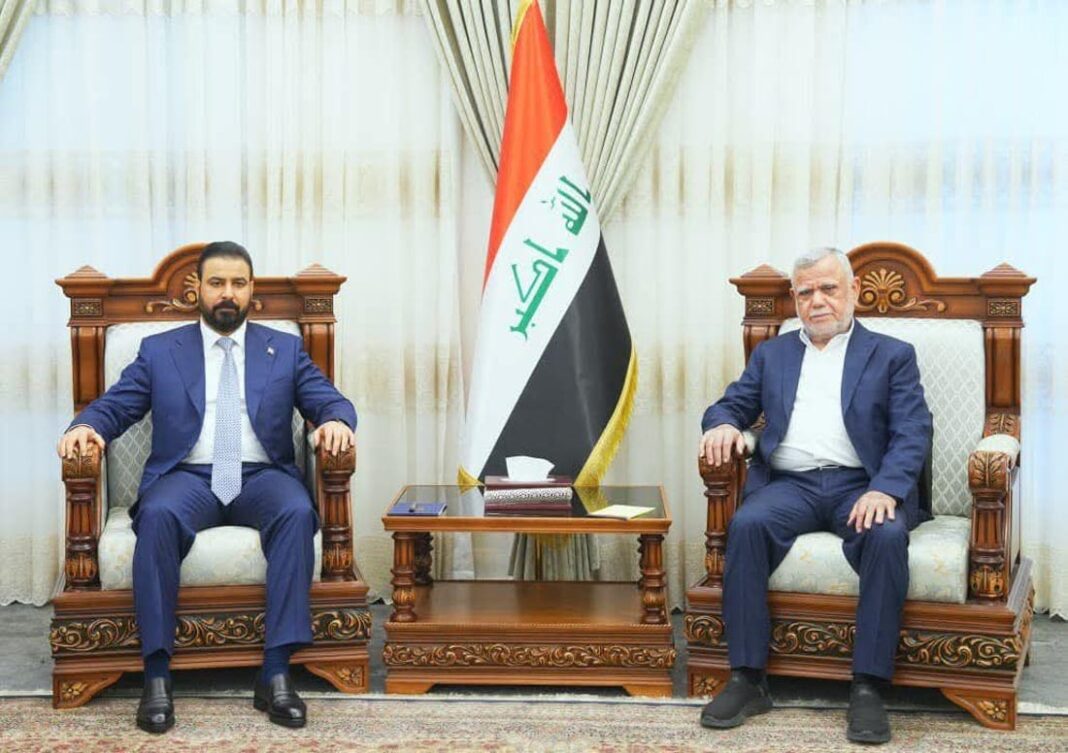
Zaidi met Badr Organization leader Hadi al-Amiri, Hikma Movement head Ammar al-Hakim, and State of Law Coalition chief Nouri al-Maliki. In addition, the meetings focused on speeding up negotiations for a new Iraqi government.
Political leaders emphasized cooperation during each discussion. Moreover, they highlighted the importance of maintaining dialogue between major political blocs. Leaders also stressed the need for stability during the transition period.
Maliki voiced support for Zaidi’s efforts to form an inclusive government. He also called for stronger coordination between political forces. In addition, he emphasized the importance of security and national stability.
Meanwhile, Hakim encouraged broader political participation in cabinet negotiations. He urged parties to focus on public services and economic reforms. Furthermore, he called for balanced representation in the future government.
Amiri also discussed the importance of unity among Shiite political factions. At the same time, he stressed cooperation with Kurdish and Sunni representatives. These discussions reflected attempts to reduce tensions between rival blocs.
The Iraqi government formation talks intensified after the Coordination Framework officially nominated Zaidi on Monday evening. The nomination ended months of political paralysis following the November 2025 parliamentary elections. Since then, Iraqi parties have increased negotiations across multiple political camps.
Under Iraq’s constitution, Zaidi now has 30 days to form a cabinet. Afterward, parliament must approve the proposed ministers through a formal vote. Therefore, negotiations over ministries remain highly important.
Several political observers expect difficult talks over security, oil, and finance portfolios. In addition, parties continue competing for influence inside key state institutions. These disputes could slow cabinet negotiations in the coming weeks.
However, political leaders continue promoting dialogue to avoid another prolonged crisis. Furthermore, regional actors closely monitor developments in Baghdad due to Iraq’s strategic importance.
Kurdish and Sunni blocs also continue consultations with Coordination Framework leaders. They seek guarantees regarding representation and federal budget issues. Meanwhile, independent lawmakers demand reforms and anti-corruption measures.
Public attention now centers on Iraq government formation talks as Zaidi attempts to secure parliamentary backing. Many Iraqis hope the next government will improve services and economic conditions. Others remain cautious after years of political disputes and delayed reforms.
Despite these challenges, political meetings continue at a rapid pace in Baghdad. As a result, analysts expect intense negotiations throughout the coming weeks before cabinet announcements emerge.