The Iraq customs unification talks gained momentum on Tuesday after federal and Kurdistan Region officials met to discuss border coordination and trade procedures. Furthermore, Iraq customs unification talks focused on aligning tariffs and expanding cooperation across all border crossings. The discussions also highlighted efforts to reduce trade delays and improve customs efficiency.
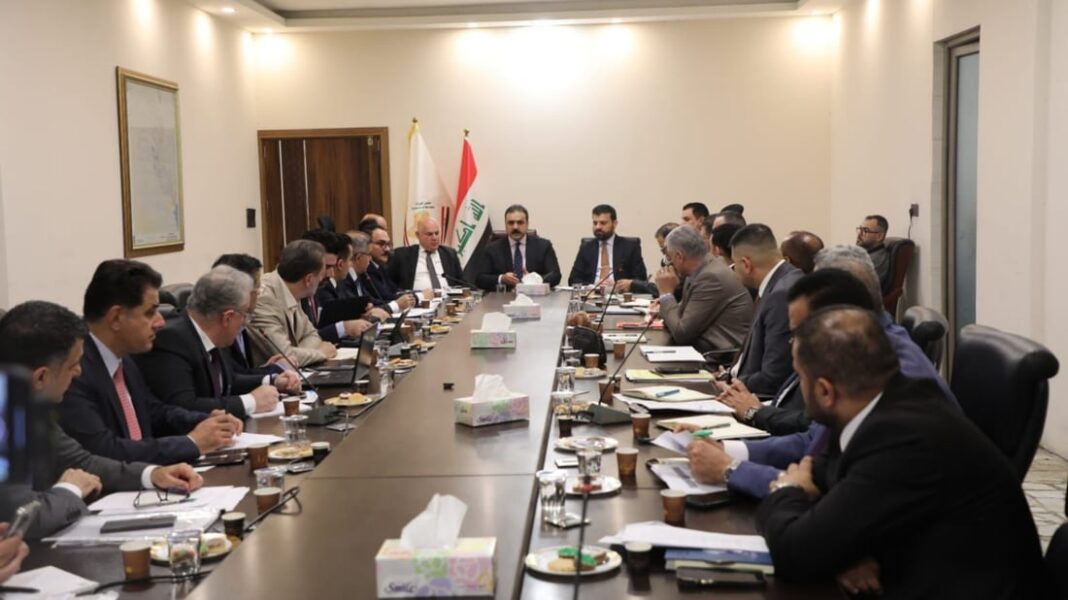
The Border Ports Commission hosted the meeting in Baghdad under the leadership of Omar al-Waeli. Additionally, federal officials and Kurdistan Region representatives attended the discussions. The meeting followed directives issued by Iraq’s Ministerial Council for Economy.
Officials discussed plans to unify customs tariffs between Baghdad and Erbil. Moreover, they reviewed the implementation of the ASYCUDA electronic customs system at border crossings. Authorities believe the shared digital system could improve transparency and speed up procedures.
Participants also addressed customs exemptions and restricted goods lists. At the same time, they reviewed quality control standards and radiographic inspection measures. Discussions further included agricultural import schedules and taxation procedures.
Officials examined the impact of unofficial crossings on trade regulation. Additionally, they discussed methods to improve monitoring and strengthen coordination between customs authorities. These efforts aim to limit smuggling and increase state revenues.
Waeli urged all sides to maintain constructive dialogue during negotiations. He also emphasized the importance of facilitating trade movement between the Kurdistan Region and Iraqi governorates. Furthermore, he called for solutions that prioritize citizens and commercial activity.
According to officials, the Kurdistan Region currently faces difficult economic conditions. Therefore, both sides stressed the need to overcome administrative disagreements. They also highlighted the importance of cooperation during this sensitive period.
The Iraq customs unification talks come after years of disputes over tariff enforcement and customs procedures. Previous disagreements created complications for traders and transportation companies. As a result, businesses often faced inconsistent regulations at different border crossings.
Several companies previously complained about delays and higher transportation costs. Additionally, traders raised concerns regarding varying customs fees between federal and regional authorities. These differences disrupted supply chains and slowed commercial activity.
Baghdad and Erbil recently increased discussions regarding economic coordination. Both governments now seek more consistent conditions for businesses operating across Iraq. Furthermore, officials hope unified systems will attract investment and improve trade efficiency.
Analysts believe customs coordination could strengthen economic relations between the two sides. They also argue that unified procedures may reduce bureaucratic obstacles. At the same time, observers expect difficult negotiations over implementation details.
Security coordination remains another important issue in border management talks. Therefore, authorities continue discussing inspection systems and monitoring measures. Officials also seek stronger oversight at official crossing points.
Meanwhile, traders continue monitoring developments closely. Many business owners hope the negotiations will reduce delays and simplify transportation procedures. Others expect the electronic customs system to improve accountability and transparency.
These talks now represent a major step toward broader economic cooperation between Baghdad and Erbil. Although challenges remain, officials continue emphasizing dialogue and coordination. As negotiations continue, both sides appear determined to improve trade relations and customs management across Iraq.