Iraq’s heritage at risk as war forces international archaeological teams to leave the country. Drone and rocket attacks in the regional conflict forced expeditions to halt. Archaeologists had planned some projects for years, but safety concerns now cut their work short.
The conflict erupted after the United States and Israel attacked Iran, dragging Iraqi armed groups into the fighting. Consequently, the period of stability in Iraq came to an abrupt end. Meanwhile, Iraq’s archaeological sites, some thousands of years old, face threats ranging from climate change to past wars.
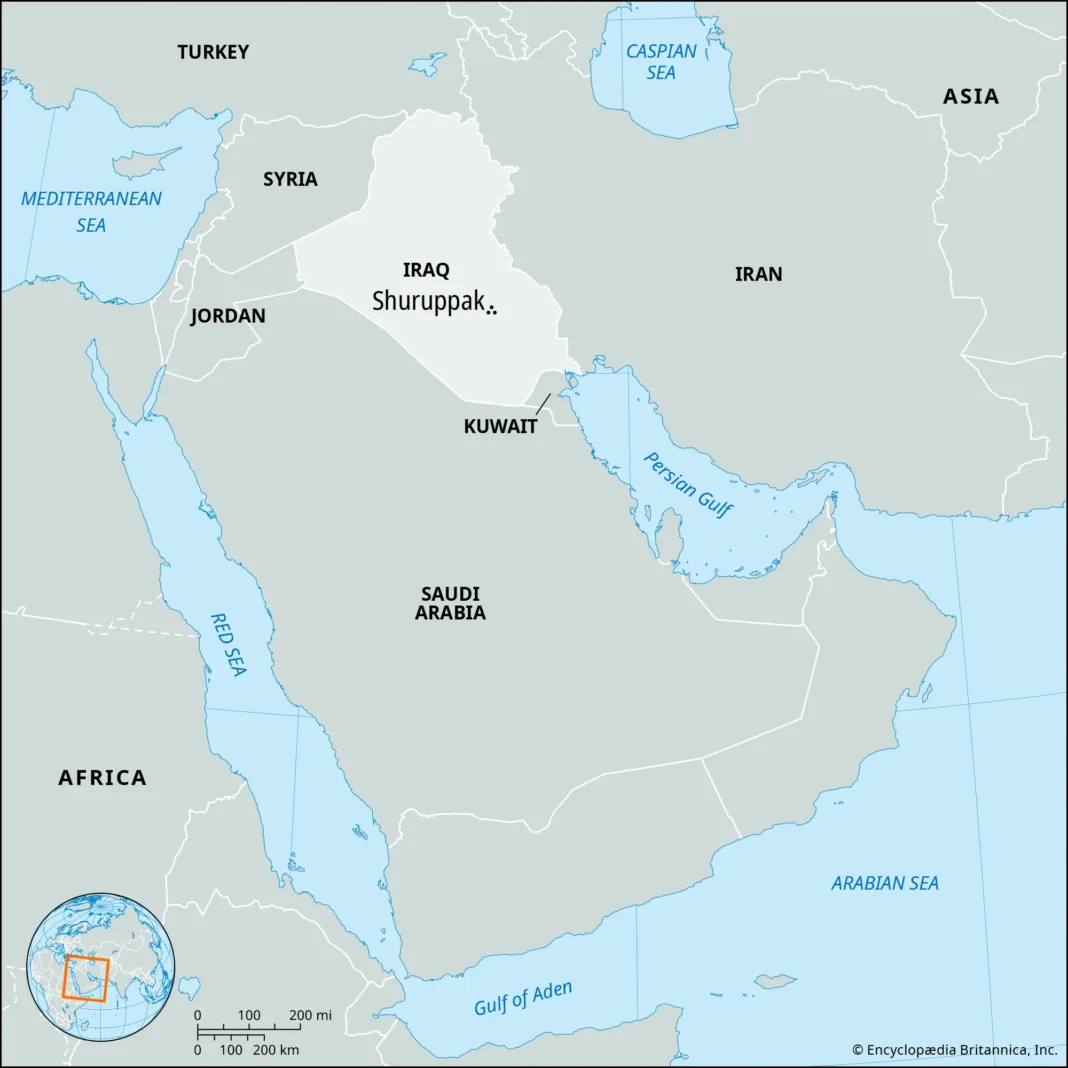
Normally, about 60 international teams would work at Iraqi sites each year. However, a government official said that “all of these missions have left Iraq.” Adelheid Otto from Germany’s Ludwig-Maximilians-University started a dig at ancient Shuruppak, modern Tell Fara, on February 28. That same day, the strikes against Iran began, forcing her team to reconsider their plans.
Otto said, “We are Near Eastern archaeologists. That is like a musician who can no longer play an instrument.” Her team included 18 German archaeologists, geologists, and students, along with seven Iraqi colleagues. At first, they stayed, believing traveling 750 kilometers to Turkey was more dangerous.
After several days, the team adjusted to drones and rockets overhead. However, Iraqi officials repeatedly urged them to leave, despite their discovery of ancient cuneiform tablets. Otto insisted on staying longer to document and photograph their findings. She told students to work on cataloging all the small artifacts.
Many German institutions had just eased travel restrictions to Iraq after previous conflicts, including the 2003 U.S.-led invasion and the Islamic State insurgency. Now, archaeologists face isolation once again. Ali Obeid Shalgham, head of Iraq’s State Board of Antiquities and Heritage, said Iraqi security forces remain the sites’ “true guarantors.”
Shalgham explained that authorities are installing protective “blue shields” at key archaeological locations. Aqeel al-Mansrawi, an Iraqi landscape archaeologist, said foreign teams play a crucial role in conserving heritage and training Iraqi experts. Otto added that interruptions to foreign digs would damage both preservation efforts and local expertise.
Even major conferences face setbacks. Augusta McMahon from the University of Chicago had to evacuate Nippur, a 6,000-year-old site. Iraq was scheduled to host the Rencontre Assyriologique Internationale conference, but the event was cancelled again, decades after previous conflicts disrupted it.
In short, Iraq’s heritage at risk remains high as war continues to disrupt excavations. Preservation, documentation, and international collaboration face severe challenges while conflict rages across the region.