Iraq Syria oil pipeline cooperation moved to the center of regional talks on Monday. Iraq and Syria agreed to restore the oil pipelines linking both countries. Moreover, they announced plans to establish a high-level coordination committee. Officials said the committee will strengthen cooperation across several sectors and monitor the implementation of future agreements.
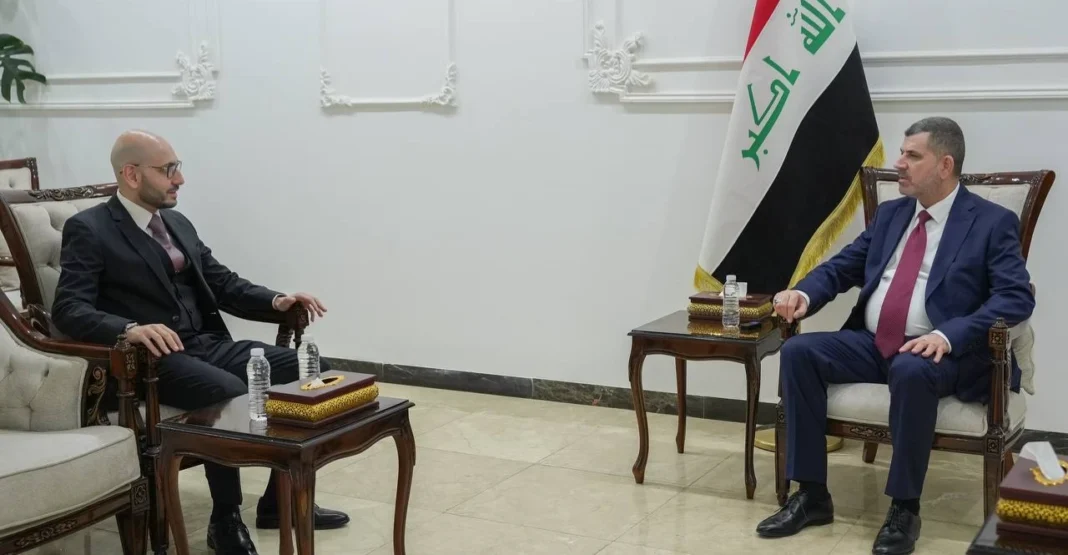
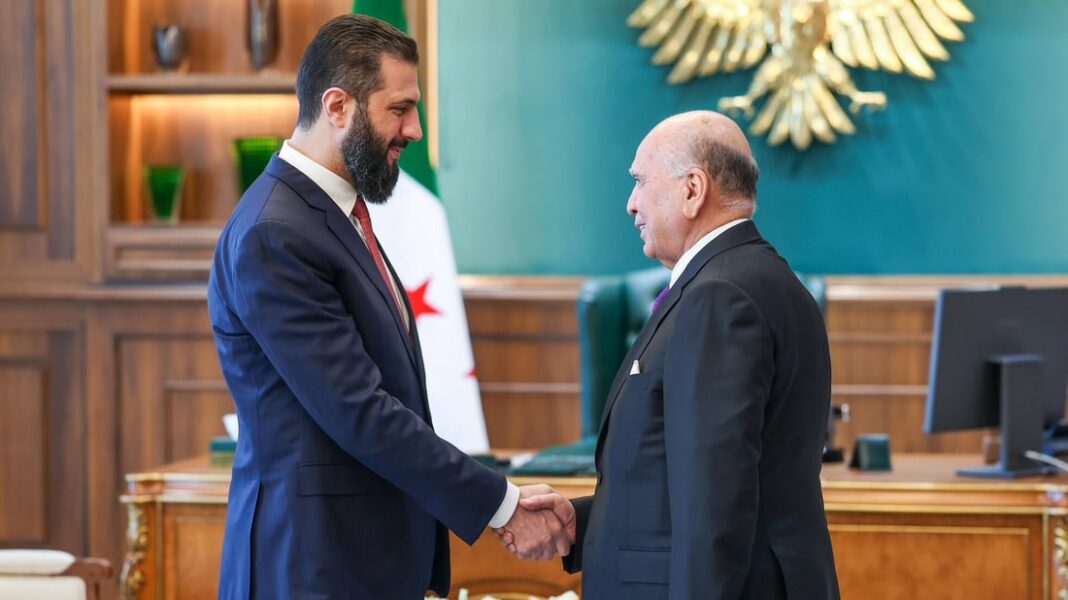
Iraqi Foreign Minister Fuad Hussein traveled to Damascus for talks with Syrian Foreign Minister Asaad al-Shaibani. Syrian Energy Minister Mohammed al-Bashir also joined the discussions. Later, Hussein met Syrian President Ahmed al-Sharaa at the People’s Palace to discuss bilateral ties and regional developments.
Following the meetings, both governments released a joint statement outlining several new areas of cooperation. Most importantly, they agreed to rehabilitate the cross-border oil pipeline network. In addition, they explored options for transporting energy supplies between and through both countries.
Furthermore, both sides agreed to establish a joint coordination committee. The committee will oversee cooperation in energy, agriculture, water resources, transport, and border crossings. Meanwhile, a higher committee, chaired by the two foreign ministers, will supervise implementation and evaluate progress.
Officials described energy cooperation as a major priority. Therefore, they placed the restoration of pipeline infrastructure at the heart of their discussions. They also examined ways to improve regional energy connectivity and encourage long-term economic cooperation.
At the same time, the ministers addressed water management and agricultural development. They emphasized food security as an essential goal for both countries. Additionally, they agreed that stronger cooperation could support economic growth and improve regional stability.
Security also featured prominently during the talks. Consequently, Iraq and Syria pledged to increase security coordination. They stressed the importance of continued communication to address shared challenges and strengthen border cooperation.
Later in the day, Hussein met President Ahmed al-Sharaa at the People’s Palace. During the meeting, both sides reviewed bilateral relations and exchanged views on current regional developments. They also discussed opportunities to deepen coordination on issues of mutual interest.
The visit followed an invitation from Foreign Minister Asaad al-Shaibani. Previously, Hussein and Shaibani met during the Arab League Council meeting in Amman on June 22. That earlier meeting helped prepare the groundwork for Monday’s discussions.
Before Hussein arrived in Damascus, Iraq’s Foreign Ministry outlined the meeting’s agenda. The ministry said officials would focus on political, security, economic, and trade cooperation. Moreover, both countries planned to coordinate their positions on important regional issues.
The latest agreement reflects a broader effort to strengthen relations between Baghdad and Damascus. As a result, officials expect closer coordination across multiple sectors in the coming months. Although significant work remains, both governments expressed commitment to advancing the agreed projects.
Ultimately, Iraq Syria oil pipeline cooperation stands as the centerpiece of the latest understandings. If both countries deliver on their commitments, the agreements could expand economic cooperation, strengthen regional coordination, and support long-term development.