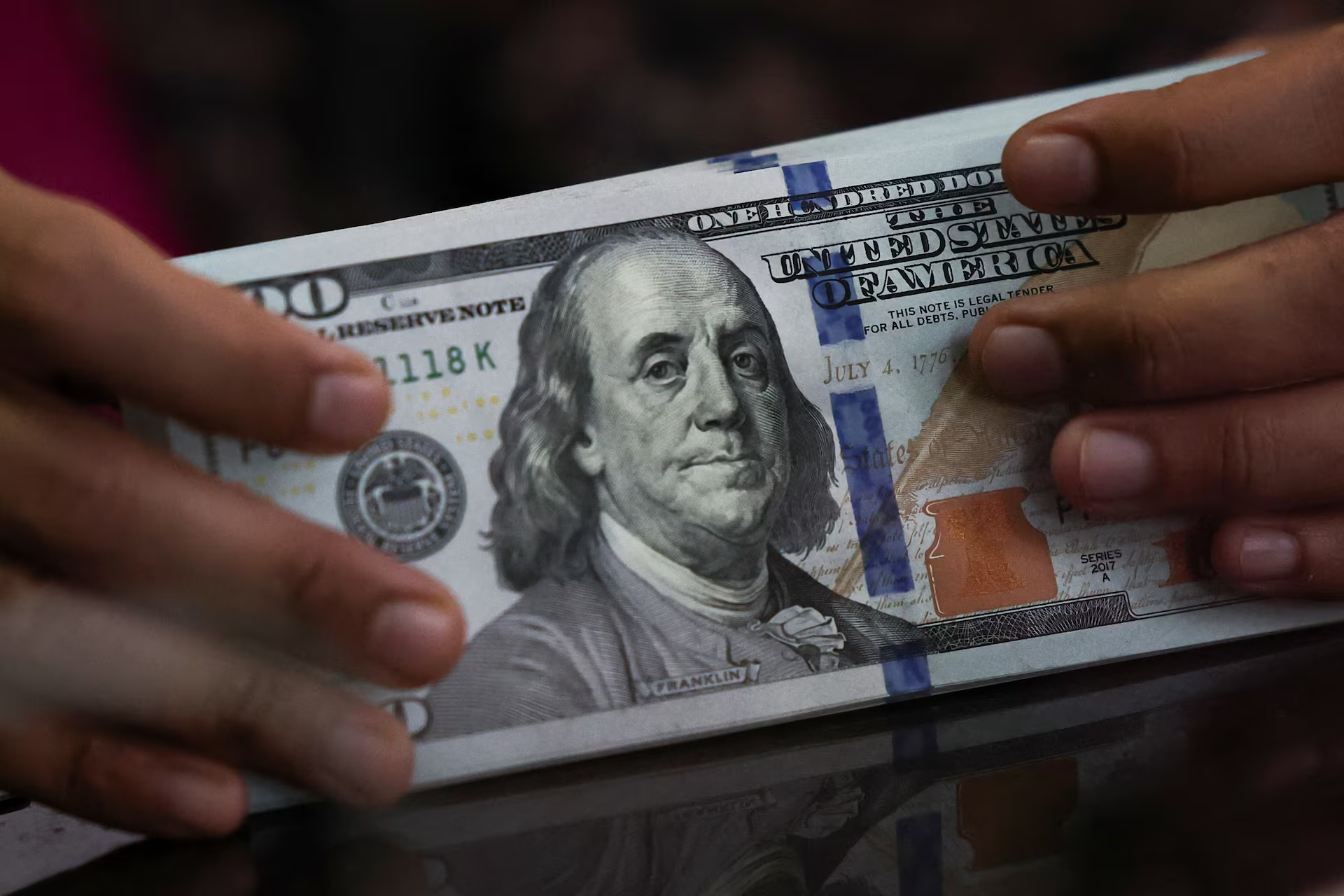
The Iraq dollar rate moved lower as currency markets opened in Baghdad and Erbil. The U.S. dollar hovered near 153,000 dinars for every $100. Meanwhile, Baghdad’s main exchanges recorded a lower wholesale quotation. The movement continued a decline from the preceding session.
Markets at Al-Kifah and Al-Harithiya quoted the dollar at 152,600 dinars per $100. The preceding session recorded 153,250 dinars for the same amount. Therefore, the latest quotation dropped by 650 dinars per $100. That change represented a decline of approximately 0.42%.
The decrease gave the Iraqi dinar a modest gain against the U.S. currency. However, the movement remained relatively limited within the wider exchange market. Traders continued watching demand and available dollar supplies throughout the opening period. Further market activity could determine whether the decline continues.
Al-Kifah and Al-Harithiya play an important role in Baghdad’s currency trade. Traders often monitor their quotations before setting prices at smaller exchange shops. Consequently, lower wholesale costs can influence retail prices across the capital. However, individual dealers may adjust their rates at different speeds.
Exchange shops in Baghdad sold $100 for 153,000 dinars. Meanwhile, they bought the same amount from customers for 152,000 dinars. This created a 1,000-dinar difference between selling and buying prices. Therefore, Baghdad dealers maintained a noticeable margin during the opening trade.
Erbil’s exchange market reported slightly lower selling prices than Baghdad. Dealers sold $100 for 152,450 dinars and bought it for 152,350 dinars. Consequently, Erbil’s selling and buying rates showed only a 100-dinar difference. That margin remained much narrower than the spread in Baghdad.
Baghdad customers paid 550 dinars more than Erbil customers for every $100. However, Erbil dealers offered 350 dinars more when buying the same amount. The tighter Erbil spread showed a smaller gap between buyers and sellers. By contrast, Baghdad exchange shops maintained a considerably wider margin.
Currency dealers set their rates according to demand, available cash and local trading conditions. Therefore, Baghdad and Erbil can record different prices during the same trading period. Additionally, retail shop prices often differ from major exchange market quotations. These variations reflect the structure of Iraq’s informal currency trade.
A cheaper dollar gives the dinar slightly more purchasing strength in local markets. Importers closely follow these movements because they often need dollars for international payments. Furthermore, travelers and companies monitor daily rates before exchanging large amounts. Even small changes can affect transactions involving significant sums.
However, one opening decline does not confirm a lasting market direction. Dollar prices can move quickly when supply or demand changes. Traders may also adjust quotations following wider financial or political developments. Therefore, customers should check current prices before completing any exchange.
Dollar movements also carry importance for businesses that rely on imported products. A lower market rate can reduce the dinar cost of purchasing dollars. Consequently, importers may face slightly lower currency expenses if the decline continues. However, other costs can still influence final consumer prices.
Iraqi consumers also follow exchange rates because currency changes can affect imported goods. Electronics, vehicles, medicine and other foreign products often depend on dollar payments. Therefore, sustained movements can influence business costs and household spending. A brief decline, however, may create only a limited effect.
The reported figures represent quotations from major markets and selected exchange shops. Individual dealers may offer slightly different prices across both cities. Moreover, rates can change several times during active trading. Buyers and sellers should compare available quotations before making large transactions.
Overall, the Iraq dollar rate opened lower within Baghdad and Erbil’s currency markets. Baghdad’s wholesale rate fell to 152,600 dinars for every $100. Meanwhile, Erbil maintained lower retail selling prices and a narrower trading margin. Upcoming market movements will determine whether the dollar continues its decline.