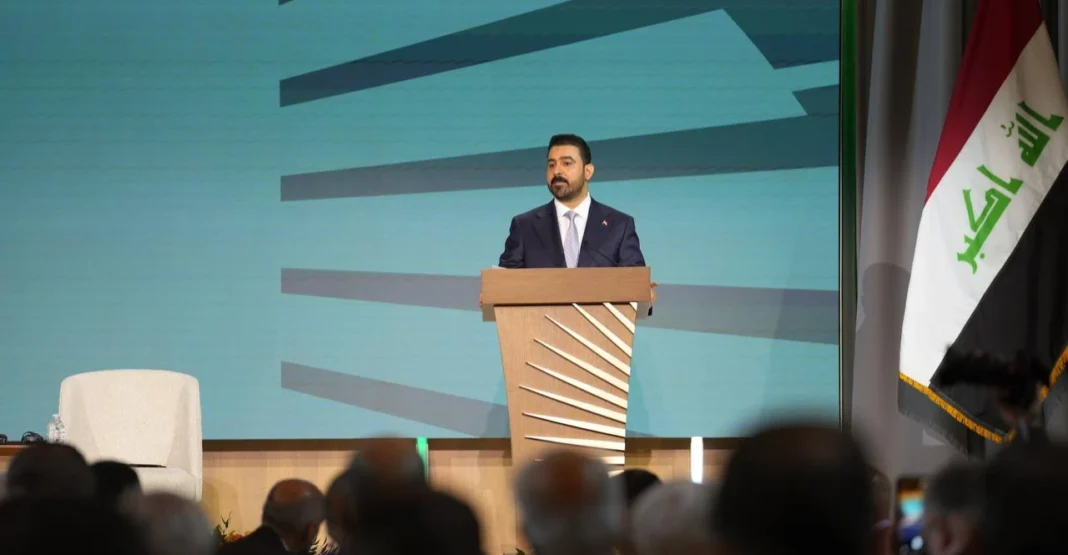
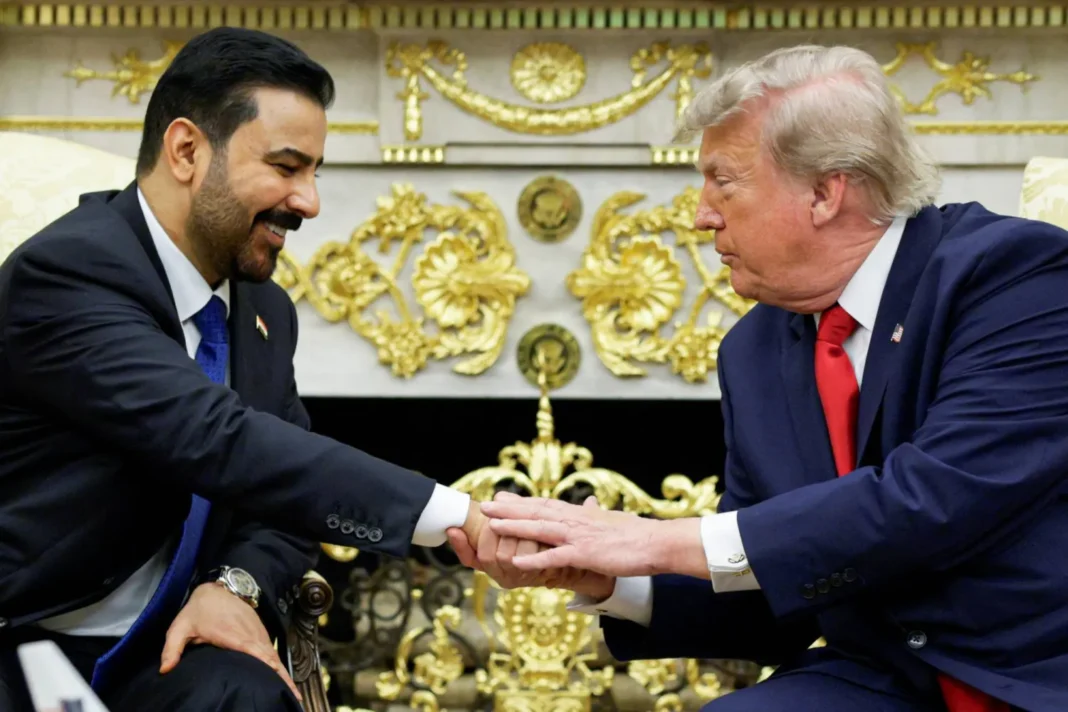
Iraq’s government welcomed a new banking agreement with the United States. Prime Minister Ali Falih al-Zaidi praised the understanding as an important financial breakthrough. The Central Bank of Iraq and the U.S. Treasury reached an accord. Moreover, the plan supports Iraq’s bank rehabilitation and broader financial reform.
The framework creates a route for seven Iraqi banks to reconnect with global financial networks. These banks currently face restrictions on some international transactions. Initially, they may process global transfers using currencies other than the U.S. dollar. This measured step will test compliance while expanding their access to cross-border financial services.
However, the agreement does not immediately restore full dollar access. Instead, the banks must first meet strict international financial standards. This sequence gives regulators time to examine their operations and governance systems. Additionally, it gives each institution a clear pathway toward full international participation.
The seven banks must strengthen their internal management and financial controls. They must also follow international rules covering transparency and corporate governance. Furthermore, the institutions need reliable systems for tracking international transfers. These reforms aim to protect Iraq’s banking sector from financial misconduct.
The roadmap also prioritizes rules against money laundering and terrorist financing. Each bank must improve its systems for identifying suspicious transactions. Moreover, banks must demonstrate effective oversight across their departments and international operations. These requirements can help rebuild trust among international financial institutions.
Al-Zaidi described the agreement as evidence of progress under his government’s reform campaign. He linked the development to stronger financial administration and international cooperation. Accordingly, the government will continue supporting structural changes across Iraq’s banking sector. It also plans to promote transparency throughout financial institutions.
The government expects the agreement to improve liquidity within the domestic financial system. Greater access could help banks serve companies with international payment needs. Likewise, renewed banking relationships could reduce pressure on unofficial currency markets. As a result, businesses may gain safer channels for handling trade payments.
The agreement could also create a more stable environment for foreign investment. International companies often require secure banks before entering new markets. Therefore, stronger banking links could make Iraq more attractive to global corporations. That improvement could support new ventures, employment, and wider economic growth.
However, the seven banks must earn full access through sustained compliance. They will need accurate records, effective controls, and dependable financial reporting. Regulators will also monitor their progress before approving dollar transactions. Therefore, success will depend on consistent action from every participating institution.
Meanwhile, the Central Bank will guide the banks throughout the rehabilitation process. The government will also support reforms that strengthen accountability and financial stability. Together, these efforts could improve Iraq’s regional and international economic standing. They could also deepen trust between Iraqi banks and global partners.
Ultimately, Iraq’s banking rehabilitation could mark a wider shift within the country’s financial system. The accord connects domestic banking reform with international standards and oversight. Meanwhile, the phased approach limits risk while giving seven institutions a clear route forward. Full compliance could restore dollar access and strengthen Iraq’s connections with global markets.