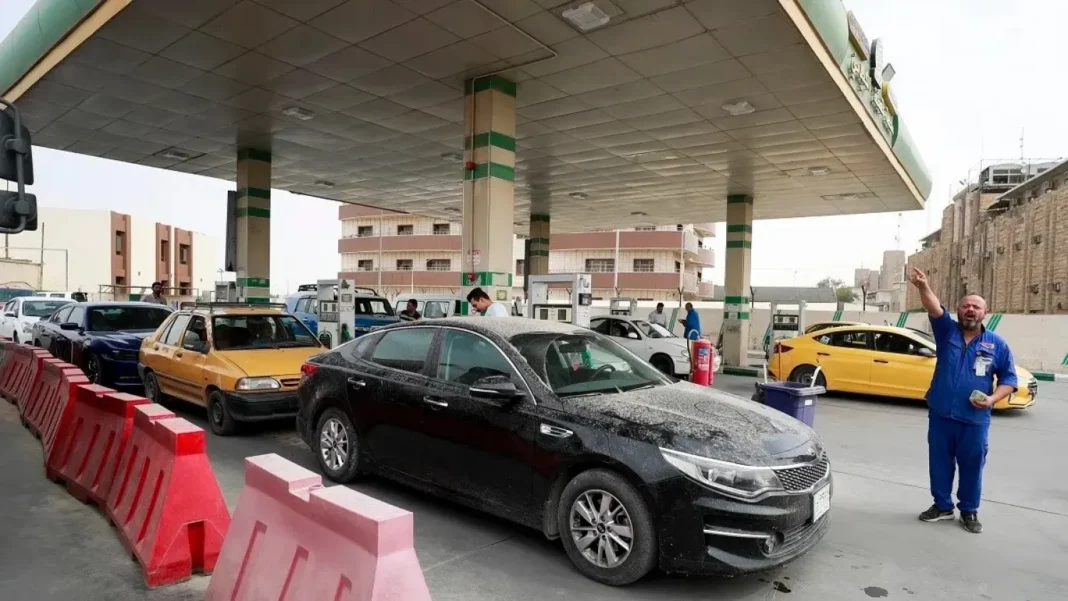
The Iraq fuel shortage crisis intensifies across the country as officials confirm new pressure on gasoline supplies. Moreover, the Ministry of Oil links the shortage to a sudden contractor withdrawal and record fuel consumption.
In addition, the Iraq fuel shortage crisis worsens as supply gaps widen in major cities. Authorities now struggle to balance production and demand in the national fuel system.
The Ministry of Oil explains that a foreign company exited a key refinery project in southern Iraq. Furthermore, the contractor worked on the Fluid Catalytic Cracking unit at the South Refineries.
Officials say the company left due to security concerns. As a result, Iraq immediately lost around 4 to 5 million liters of daily gasoline output.
Meanwhile, demand surged across the country during consecutive holidays and religious travel periods. Daily consumption reached about 34 million liters.
Moreover, consumption peaked at nearly 35 million liters on June 3, 2026. This figure marked one of the highest levels recorded in Iraq’s fuel history.
At the same time, national refineries continued full production. They produced around 30 million liters per day to stabilize the supply.
However, the system still faced a major shortfall. Therefore, the Ministry of Oil began using strategic fuel reserves to cover the gap.
Additionally, officials described this step as a temporary measure. They stressed that supply pressure remains high across distribution networks.
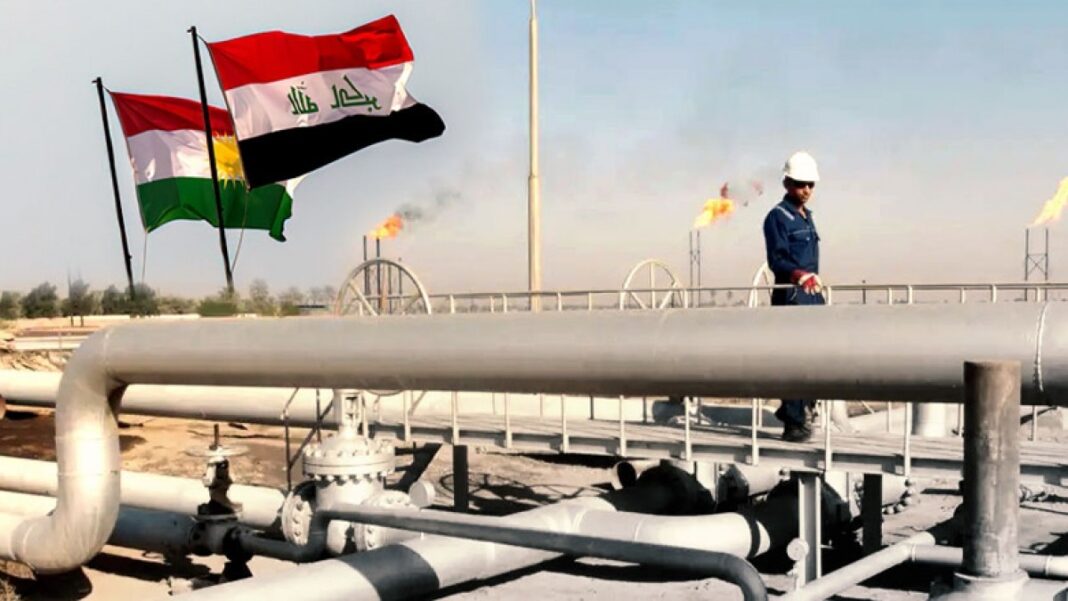
The Iraq fuel shortage crisis also reflects broader energy instability in the country. In recent months, foreign energy companies paused operations in parts of the Kurdistan Region.
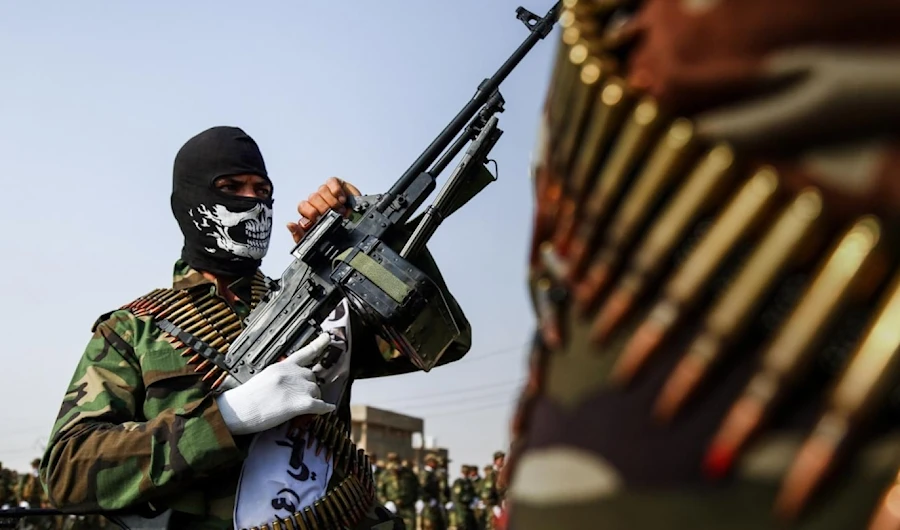
These companies faced repeated security incidents involving rockets and drones. Consequently, many firms reduced or suspended their activities.
However, the government now seeks to restore investor confidence. Prime Minister Ali Falih al-Zaidi held a high-level security meeting with an Erbil delegation.
The meeting included senior military leadership. Furthermore, discussions focused on protecting oil infrastructure across Iraq.
Officials later issued strict orders to secure petroleum facilities. They aim to prevent further disruptions in production and investment.
Additionally, authorities confirmed that international companies can resume operations soon. They scheduled a restart of exploration and extraction activities starting Friday.
Meanwhile, energy officials continue monitoring fuel distribution nationwide. They also work to stabilize supply chains during peak demand periods.
Overall, the situation highlights growing pressure on Iraq’s energy system. It also shows how security and consumption trends directly affect fuel stability.
The Iraq fuel shortage crisis now remains a central concern for policymakers as they try to balance production, investment, and national demand.