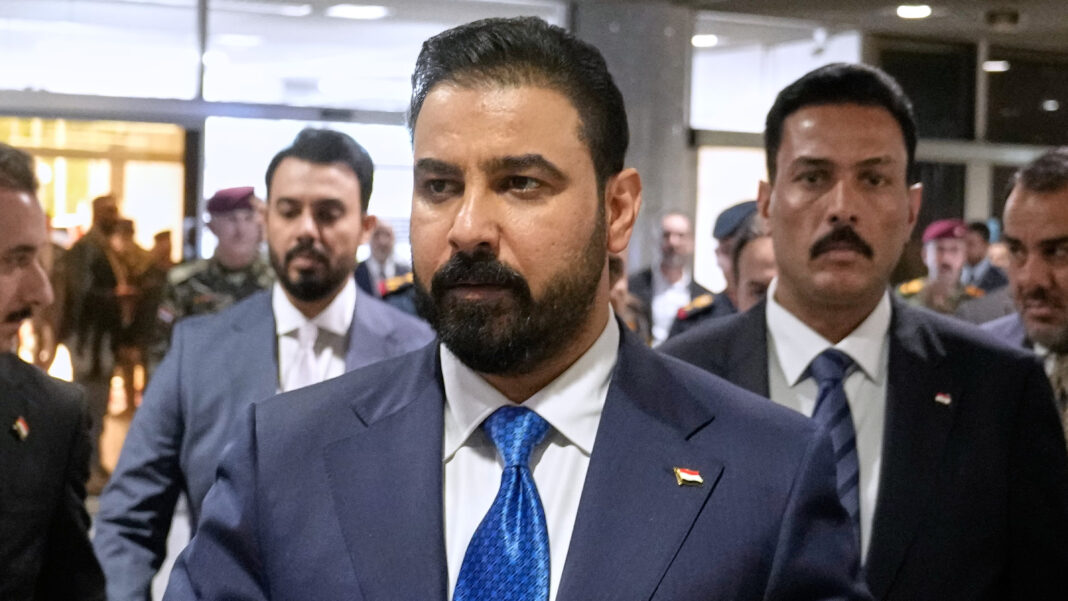
Iraqi Prime Minister Ali al-Zaidi has introduced a major plan to transform the al-Faw Peninsula into an energy center. The government hopes the project will modernize Iraq’s energy infrastructure. Moreover, Baghdad wants international companies to provide investment, technology, and operational experience. The initiative could also strengthen Iraq’s position in regional energy markets.
Al-Zaidi presented the Iraq Energy City initiative during an official visit to the United States. His meetings included American officials and executives from major energy companies. The trip supported Baghdad’s campaign to attract long-term foreign investment. Additionally, Iraq wants stronger commercial relationships with leading American businesses.
The proposed development would combine several energy industries within one large location. The project would include oil refineries, gas facilities, processing units, and electricity plants. Furthermore, the government plans to connect these facilities with strategic oil pipelines. Those connections could improve transportation and reduce operational costs.
Baghdad selected the al-Faw Peninsula because of its valuable location on the Arabian Gulf. The area stands close to Iraq’s main oil export routes. It also connects with the Development Road, which will link southern Iraq with international markets. Therefore, al-Faw could support both energy production and regional transportation.
The Development Road could give the project another major economic advantage. Companies could transport equipment, fuel, and industrial materials through their planned network. Meanwhile, improved connections could reduce delays across Iraq’s energy supply chain. These advantages may attract companies seeking access to wider regional markets.
The government also wants the project to support higher oil production. Iraq holds some of the world’s largest proven crude reserves. However, infrastructure limitations continue to restrict production and export growth. New facilities could help Iraq process more crude and improve the value of its energy exports.
Furthermore, Baghdad wants to accelerate domestic gas development. Iraq continues to burn significant gas volumes during oil production. This practice wastes valuable resources and increases environmental damage. Therefore, the government wants new processing facilities that can capture and use this gas.
Gas development could also strengthen Iraq’s electricity sector. Many Iraqi power stations require reliable fuel supplies throughout the year. However, fuel shortages often limit electricity generation and increase pressure on the national grid. New gas facilities could provide power plants with more domestic fuel.
Consequently, higher domestic production could reduce Iraq’s reliance on imported energy. Imports expose the country to supply disruptions, political pressure, and changing prices. Local gas production would give Baghdad greater control over electricity generation. It could also keep more government spending inside the Iraqi economy.
The project also includes plans to expand Iraq’s refining capacity. Iraq exports large crude volumes but still faces shortages of some refined products. Additional refineries could convert more Iraqi oil into gasoline, diesel, and other fuels. Moreover, local processing could increase export revenue and create industrial opportunities.
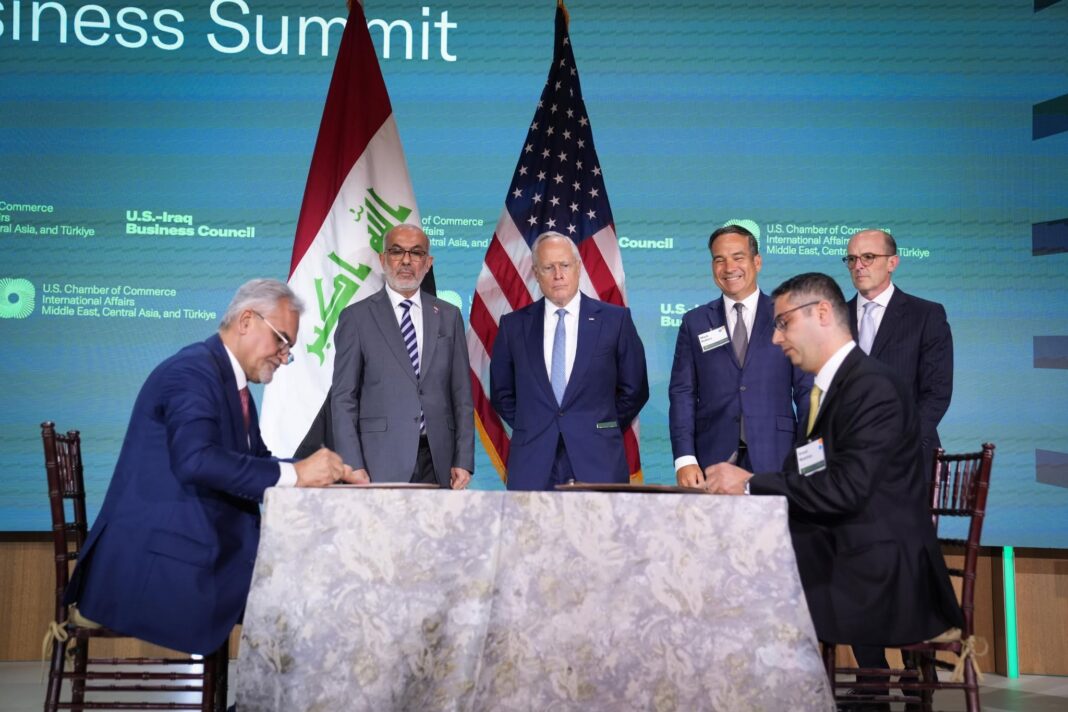
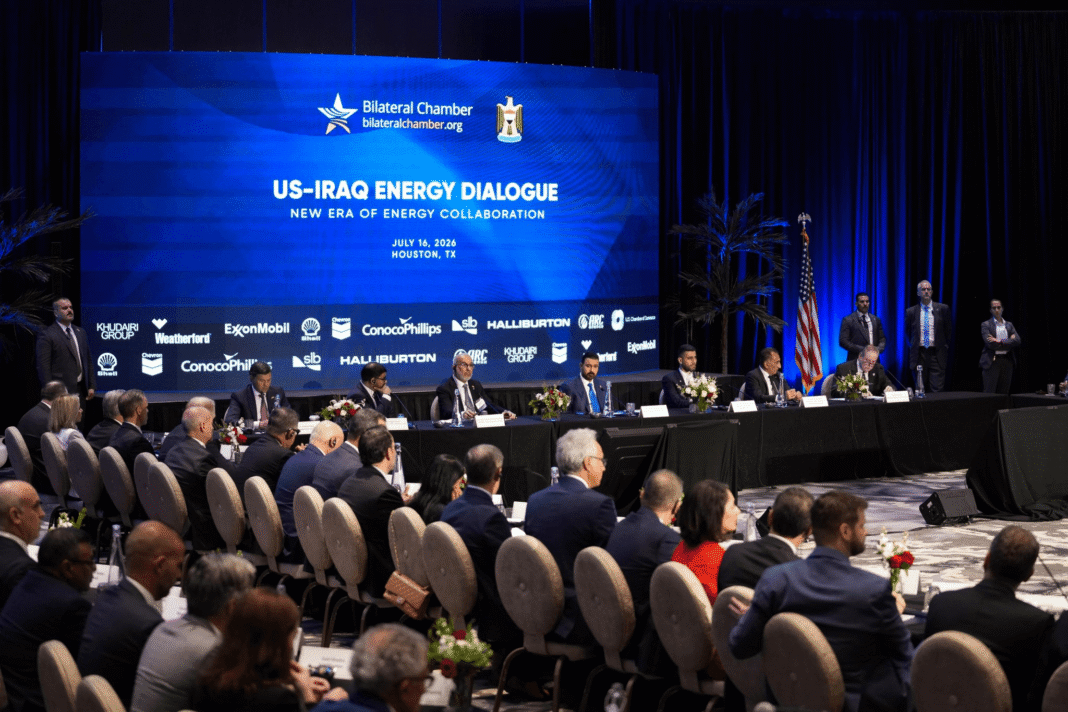
Al-Zaidi discussed the initiative during an economic forum in Houston, Texas. The event brought Iraqi officials together with American executives and investors. Negotiators also worked toward energy agreements worth more than $60 billion. Those deals could support Iraq’s wider oil, gas, and electricity plans.
However, al-Zaidi said Iraq wants strategic partners instead of ordinary contractors. Baghdad wants companies that will share technical knowledge and support workforce development. Additionally, the government expects investors to create jobs for Iraqi citizens. This approach could build local expertise across several energy industries.
Technology transfer will play a major role in the project’s success. International firms possess advanced systems for refining, gas processing, and electricity generation. They also have experience managing large industrial complexes. Therefore, Iraqi workers could gain valuable skills through joint operations and training programs.
David Phillips, a bilateral business chamber chairman, welcomed Iraq’s investment plans. He said companies in Texas showed interest in Iraqi oil, gas, and electricity projects. Furthermore, major American firms could provide capital and advanced technology. Their participation could strengthen commercial ties between Iraq and the United States.
Nevertheless, Iraq must create a stable environment for long-term investment. Companies need clear regulations, reliable contracts, and transparent approval procedures. They also require secure infrastructure and predictable financial policies. Consequently, government agencies must address administrative obstacles before construction begins.
The project could create jobs across southern Iraq if the government implements it successfully. Engineers, technicians, construction workers, and service companies could benefit from new activity. Additionally, local businesses could supply transportation, equipment, housing, and other services. These opportunities could support wider economic growth around Basra and al-Faw.
However, the initiative will require extensive coordination between several ministries. Energy, transportation, finance, and environmental agencies must follow a unified plan. The government must also protect nearby communities and coastal ecosystems. Strong oversight could prevent delays and reduce unnecessary spending.
Ultimately, Iraq Energy City could transform al-Faw into a major industrial and logistics center. The project combines energy expansion with Iraq’s broader transportation strategy. Moreover, foreign partnerships could provide investment, technology, and employment opportunities. Successful implementation could strengthen Iraq’s role in global energy markets.