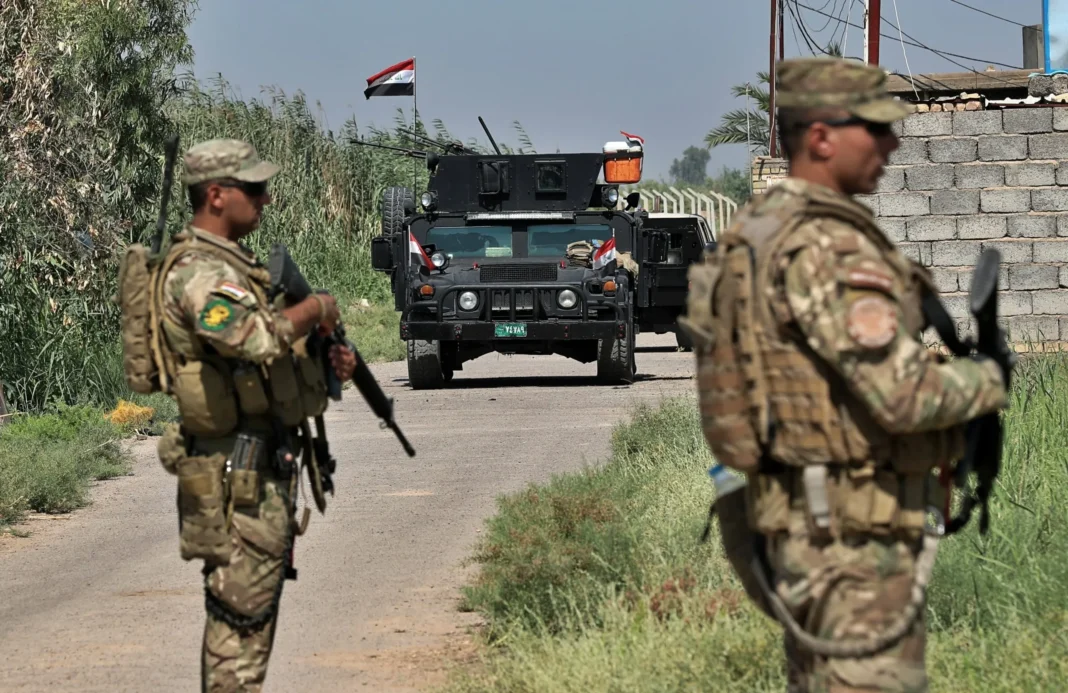
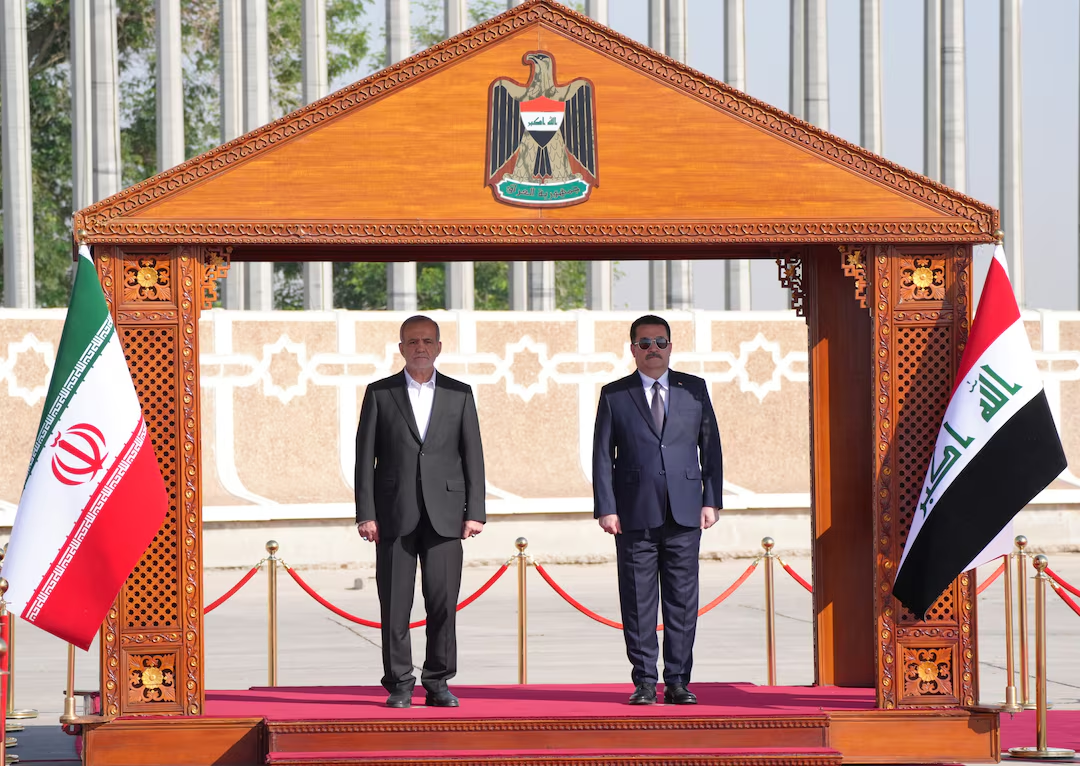
Iran’s veto over Iraqi cabinet formation now dominates Baghdad’s political landscape as competing foreign pressures intensify. The intervention has disrupted final negotiations and reshaped the path toward forming a new Iraqi government. It also highlights widening tensions between Washington and Tehran inside Iraq’s political system.
Two Iraqi officials confirmed that Tehran intervened directly in the latest cabinet discussions. They said Iran rejected proposals that excluded pro-Iran armed factions from senior government positions. Consequently, negotiations stalled as political blocs failed to bridge competing demands.
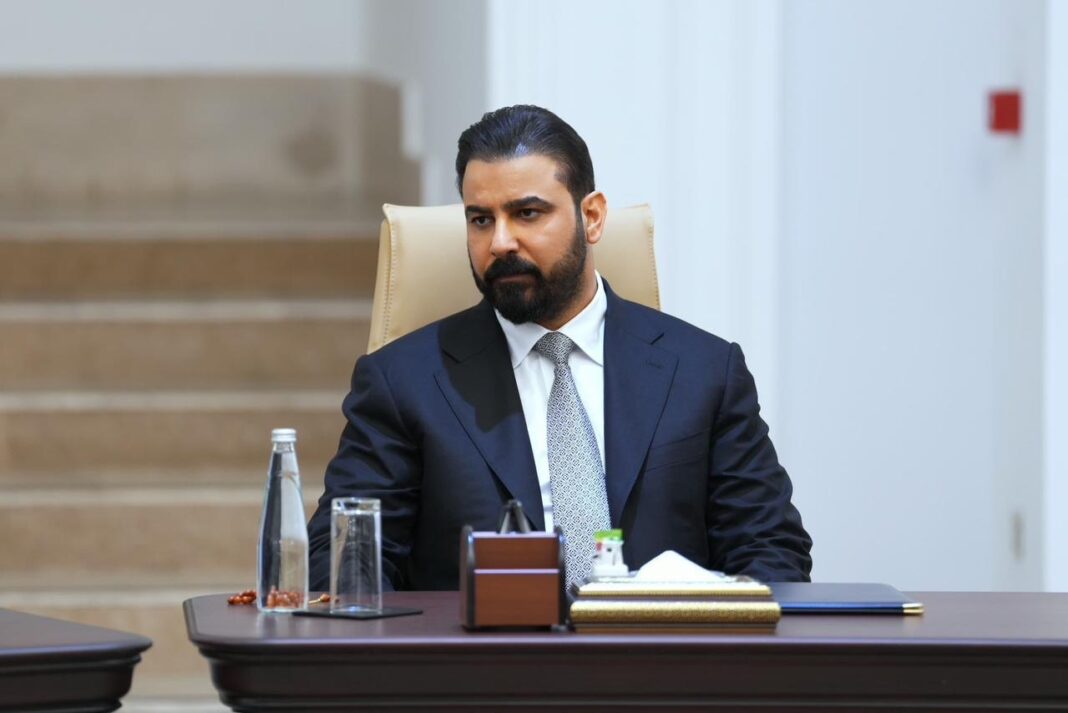
The officials explained that Tehran warned the Shiite Coordination Framework against approving any cabinet lineup that weakens its influence. The Shiite Coordination Framework now faces intense pressure from both regional and international actors. Meanwhile, Prime Minister-designate Ali al-Zaidi continues efforts to finalize a balanced cabinet within strict constitutional deadlines.
At the same time, Iran escalated its political messaging through high-level regional engagement. Esmail Qaani reportedly arrived in Baghdad carrying urgent instructions from Tehran. He leads the Islamic Revolutionary Guard Corps Quds Force, which plays a key role in Iran’s regional strategy.
Sources said Qaani rejected what Iran described as Iraq’s growing alignment with Washington. He warned that Iraq must avoid becoming fully dependent on U.S. policy direction. As a result, Iran’s veto over Iraqi cabinet formation became a direct instrument of regional influence.
On the other hand, Washington intensified its diplomatic engagement with Baghdad. U.S. officials pushed for a cabinet that excludes armed factions linked to Iran. They also stressed political and economic independence from Tehran’s influence.
The U.S. position received backing from former President Donald Trump, who previously supported al-Zaidi’s nomination. American officials now prepare additional visits to Baghdad to reinforce their stance before parliament votes.
However, Iraqi political sources warned that external pressure risks collapsing negotiations entirely. They said both Washington and Tehran now compete over Iraq’s political future. This competition directly affects ministerial distribution and government formation timelines.
In parallel, armed political groups increased their demands for representation in the new cabinet. The Asaib Ahl al-Haq insisted on securing key ministries, including the Oil Ministry. This demand sharply conflicts with U.S. expectations and complicates compromise efforts.
Moreover, parliamentary timing adds further uncertainty to the process. Several lawmakers travel abroad for Hajj, which threatens quorum availability. Therefore, delays could block the confidence vote entirely.
Negotiators also revealed that Washington now scrutinizes even minor cabinet decisions. They said U.S. officials monitor faction influence across security, oil, and water portfolios. Meanwhile, Iran’s veto over Iraqi cabinet formation continues shaping strategic calculations inside Iraq’s political blocs.
The ongoing dispute reflects broader regional rivalry between the United States and Iran. Iraqi officials warned that continued escalation may trigger an open political confrontation in Baghdad. In this context, Iran’s veto over Iraqi cabinet formation remains the central obstacle to forming a stable government.
Ultimately, Iraq now faces a critical decision point. Political leaders must balance domestic sovereignty with external pressure. Otherwise, the cabinet formation process risks total breakdown amid rising regional tensions.