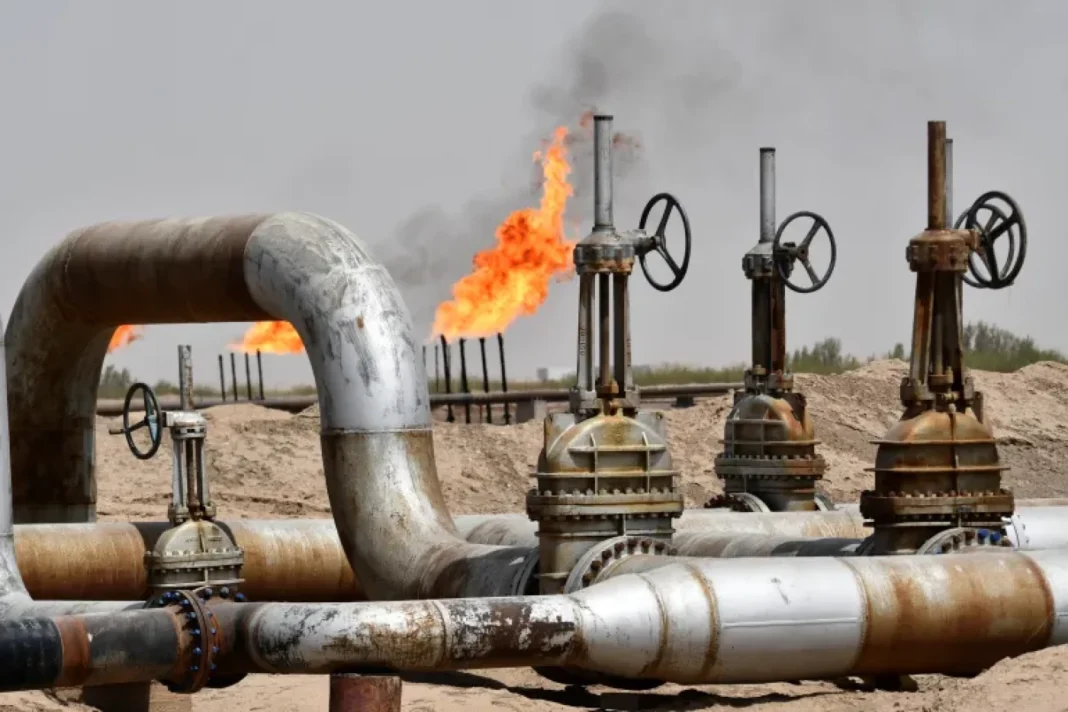
Iraq has opened negotiations with several major American energy companies as Baghdad pushes to expand oil and gas development across the country.
The Iraq oil projects 2026 strategy focuses on boosting production capacity, increasing exports, and attracting foreign investment into the energy sector.
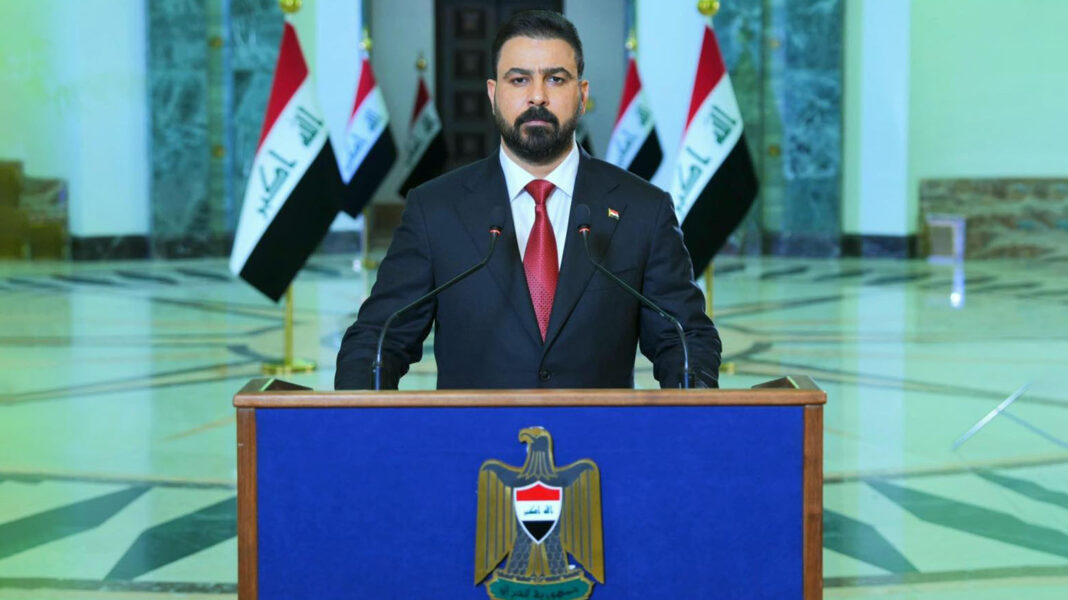
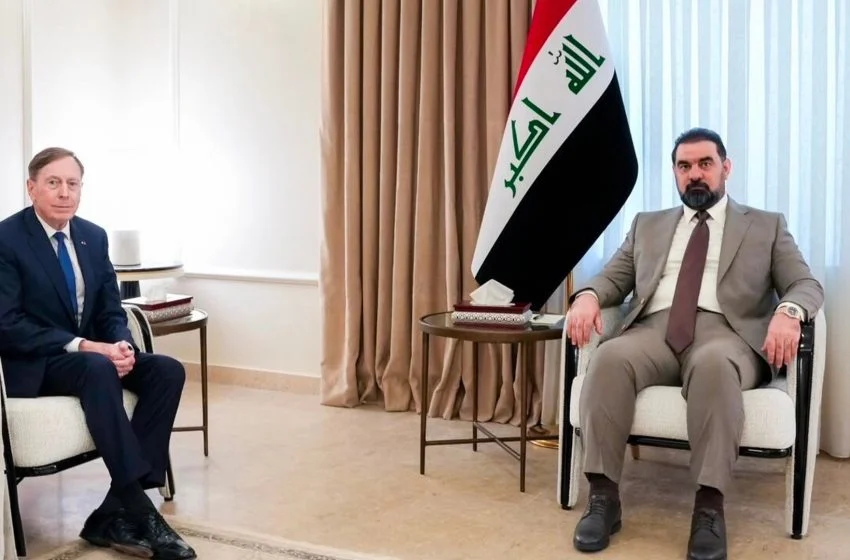
Oil Minister Basim Khudair announced the talks on Saturday during a press conference in Baghdad shortly after assuming office. He said the government is negotiating with U.S.-based companies, including Chevron, ExxonMobil, and Halliburton.
According to Khudair, the ministry wants to finalize agreements quickly to secure strong financial returns for Iraq. He added that the government continues working to expand investment opportunities in both oil and gas projects.
The Iraq oil projects 2026 plan also includes broader regional cooperation. Baghdad is currently discussing a new energy agreement with Ankara. Officials said the proposed deal would cover exploration, production, refining, and marketing activities.
The previous agreement between Iraq and Turkey focused mainly on crude oil exports. However, the new discussions aim to expand cooperation across several energy sectors.
At the same time, Iraq continues coordinating with the Organization of Petroleum Exporting Countries to increase production and export capacity. The government hopes to raise output to five million barrels per day.
Khudair said Iraq remains in discussions with OPEC regarding export limits and future production targets. He explained that higher export levels could significantly increase national revenues if they remain within OPEC guidelines.
However, regional tensions continue to affect Iraq’s export operations. Last month, Iraq exported only 10 million barrels of oil through the Strait of Hormuz. The figure marked a sharp decline from the 93 million barrels exported before the regional conflict that began on February 28 involving the United States, Israel, and Iran.
The Iraq oil projects’ 2026 outlook now depends heavily on shipping security and regional stability. Iraq’s oil exports dropped after disruptions affected tanker movement through the Strait of Hormuz.
Khudair said oil shipments through the strategic waterway remain limited because many tankers avoid the route due to security concerns. Consequently, export operations continue to face logistical pressure despite strong market demand.
The government now hopes new investment deals and expanded regional cooperation will strengthen Iraq’s long-term energy position and improve export capacity.