The ministerial nominations to the prime minister-designate shaped Iraq’s latest political move on Sunday. The National Political Council sent its list of candidates to the prime minister-designate during ongoing cabinet negotiations in Baghdad.
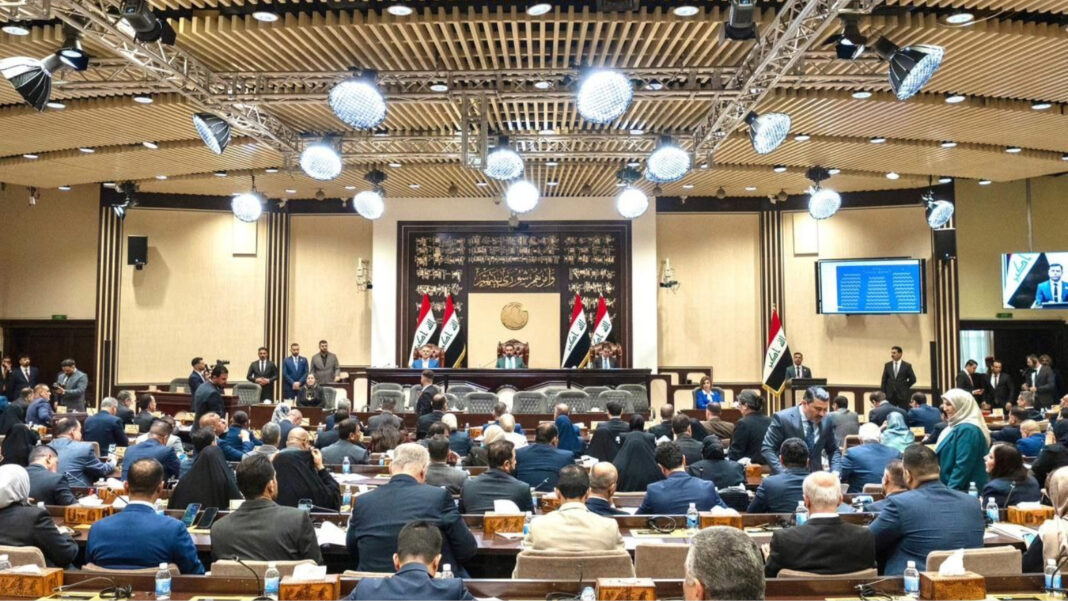
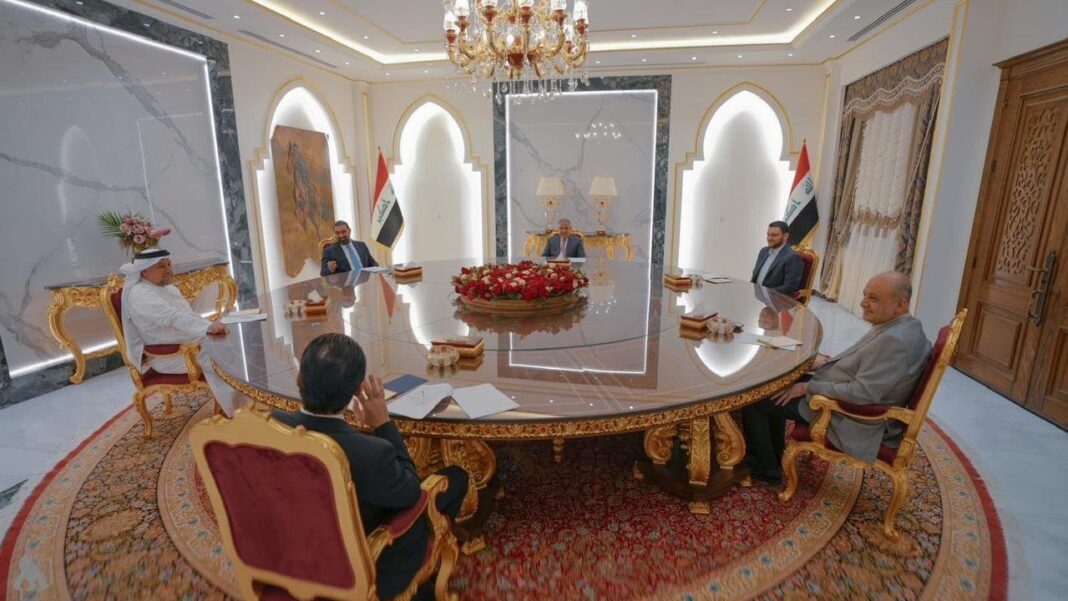
The council media office stated after a high-level meeting in Baghdad. Leaders gathered at the headquarters of Sheikh Khamis al-Khanjar in the capital. The Speaker of Parliament attended the meeting alongside leaders of parties and alliances forming the council.
Participants discussed the latest developments in government formation. They also focused on ways to strengthen political stability during the current phase. Moreover, they stressed faster coordination to complete the cabinet formation process.
In addition, the meeting reviewed the political agreement in detail. Leaders examined implementation mechanisms closely. They also linked discussions to constitutional requirements and national balance principles.
The council then confirmed that it sent its nominee list to the prime minister-designate. Officials said the step aligned with ongoing political understandings among major blocs. Negotiators continued talks to refine final cabinet arrangements.
Political sources said the ministerial nominations to the prime minister-designate reflect ongoing attempts to balance competing political interests. Different blocs continue to push for representation that matches their parliamentary strength. They also seek influence over key government ministries.
Furthermore, leaders emphasized the importance of avoiding further delays. They warned that prolonged disputes could weaken public trust in the formation process. Therefore, they urged faster agreement on outstanding cabinet posts.
Observers noted stronger coordination among major political alliances in recent days. They also highlighted continued negotiations over sovereign ministries, which remain highly sensitive. These portfolios often shape Iraq’s security and economic direction.
At the same time, officials expect intensified dialogue between political leaders in the coming days. The prime minister-designate will review all submitted names before final approval. Parliament will then vote once leaders reach a final agreement on the cabinet lineup.
The ministerial nominations to the prime minister-designate now signal measurable progress in Iraq’s government formation process. However, political tensions still influence final decisions as parties compete over power-sharing arrangements.
Ultimately, the outcome will depend on whether political blocs maintain consensus under pressure. Iraq’s leadership continues working to finalize a cabinet that satisfies constitutional timelines and competing political demands.