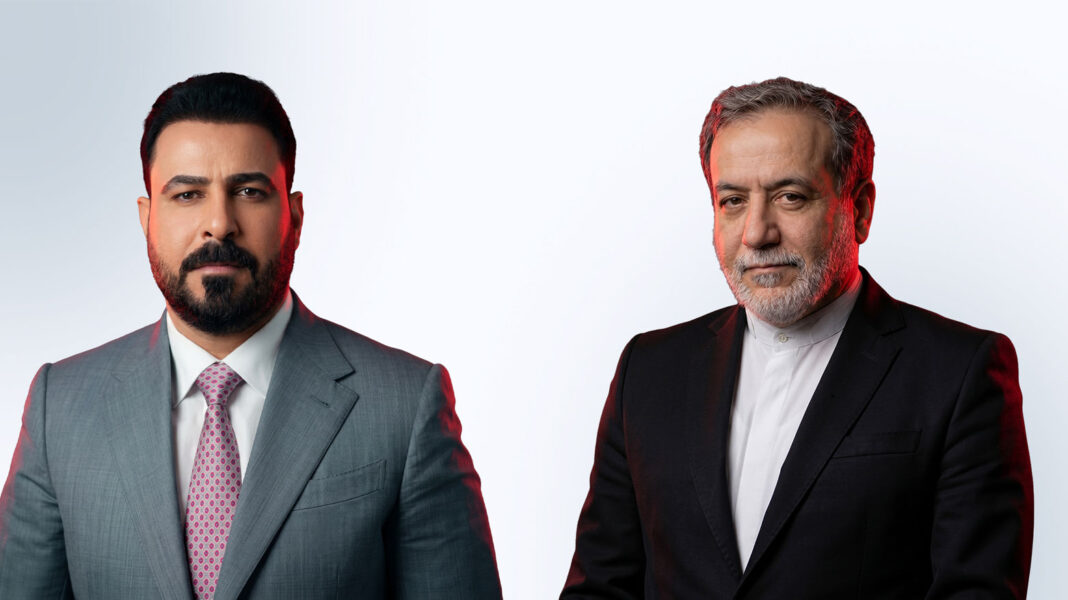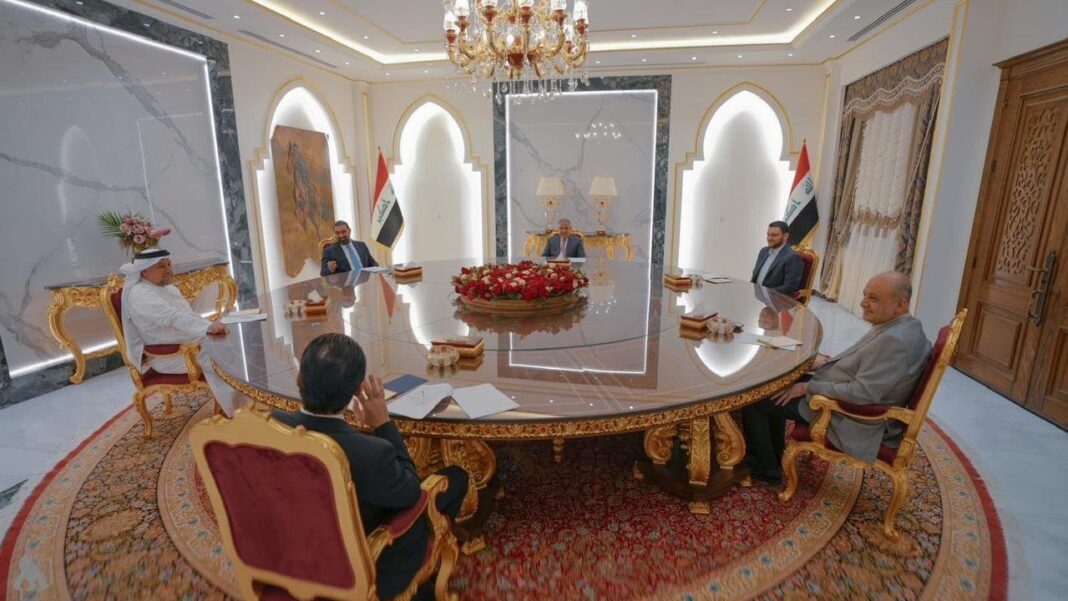
Iraq cabinet formation efforts gained momentum on Sunday after Kurdish and Sunni parties reportedly finalized agreements with Prime Minister-designate Ali al-Zaidi over their shares in the next government. Meanwhile, political leaders continue negotiations ahead of a parliamentary confidence vote expected within days.
Abdullah al-Zaidi, a senior member of the Shiite al-Hikma Movement, said Kurdish and Sunni blocs accepted their proposed ministerial allocations. He explained that Kurdish parties would likely receive four ministries. Sunni parties could secure six ministries. Negotiators also discussed adding a deputy prime minister position without a ministry portfolio.
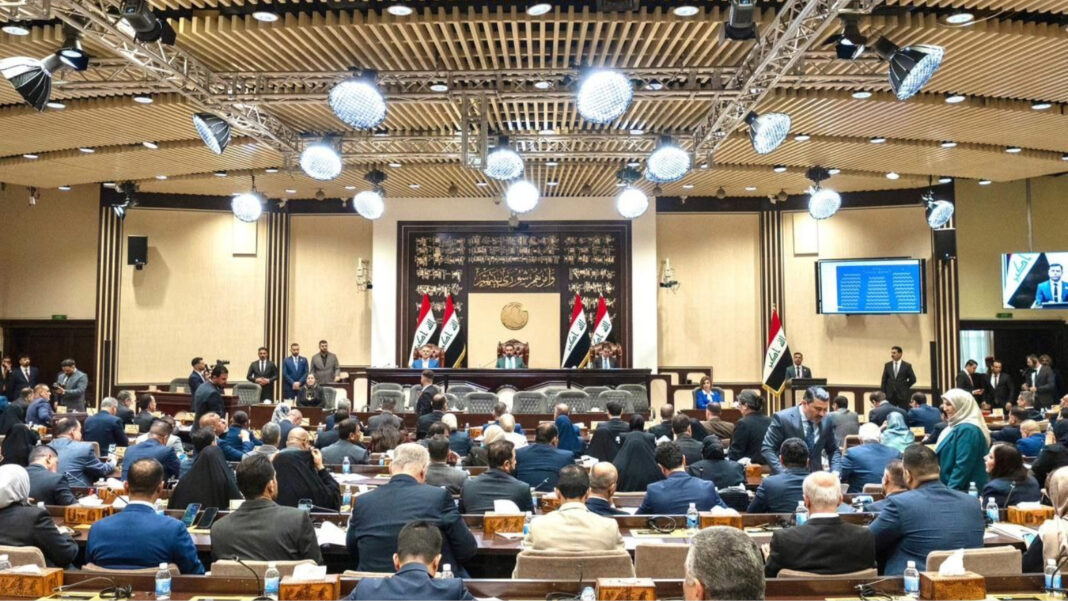
Furthermore, lawmakers intensified preparations for the upcoming parliamentary session. Safwan al-Jarjari, secretary-general of parliament, confirmed that officials completed logistical arrangements for the vote. Political leaders and diplomats are also expected to attend the session.
Political sources expect parliament to hold the confidence vote early this week. However, several disputes still threaten delays in the final cabinet lineup. Despite those challenges, Abdullah al-Zaidi expressed confidence that lawmakers could still approve the government through an absolute majority vote.
At the same time, disagreements inside the ruling Shiite Coordination Framework continue to complicate negotiations. According to political insiders, parties remain divided over the distribution of influential ministries. Oil and finance ministries reportedly remain at the center of intense competition because they carry the highest political value.
In addition, Iraq’s cabinet formation discussions face growing international pressure. Abdullah al-Zaidi stated that the United States opposes granting ministries to armed factions that still maintain military wings. Washington reportedly demands that those groups focus exclusively on political activities.
He added that U.S. officials want armed factions to surrender missiles and drones to Iraq’s official security institutions before entering the government. American officials have repeatedly urged Baghdad to strengthen state control over all armed actors operating outside official command structures.
Meanwhile, Shiite factions continue internal negotiations over unresolved cabinet positions. Political leaders reportedly settled only part of the Shiite share, while many ministries remain disputed. Analysts believe those disagreements could influence the timing of the final vote.
The political developments follow Iraq’s parliamentary elections held in November. In April, lawmakers elected Nizar Amedi, the Patriotic Union of Kurdistan nominee, as Iraq’s president. Shortly afterward, Prime Minister-designate Ali al-Zaidi submitted his ministerial program to Parliament Speaker Haibat al-Halbousi ahead of the expected confidence session.
As negotiations continue, observers closely monitor whether competing parties can finalize remaining disputes. Many Iraqi citizens now wait to see whether Iraq’s cabinet formation efforts will finally produce a stable government after months of political bargaining.