Iranian reservations over the new Iraqi leadership have grown as Baghdad cabinet formation talks continue across political blocs. These developments have triggered high-level regional engagement and urgent negotiations inside Iraq’s political scene.
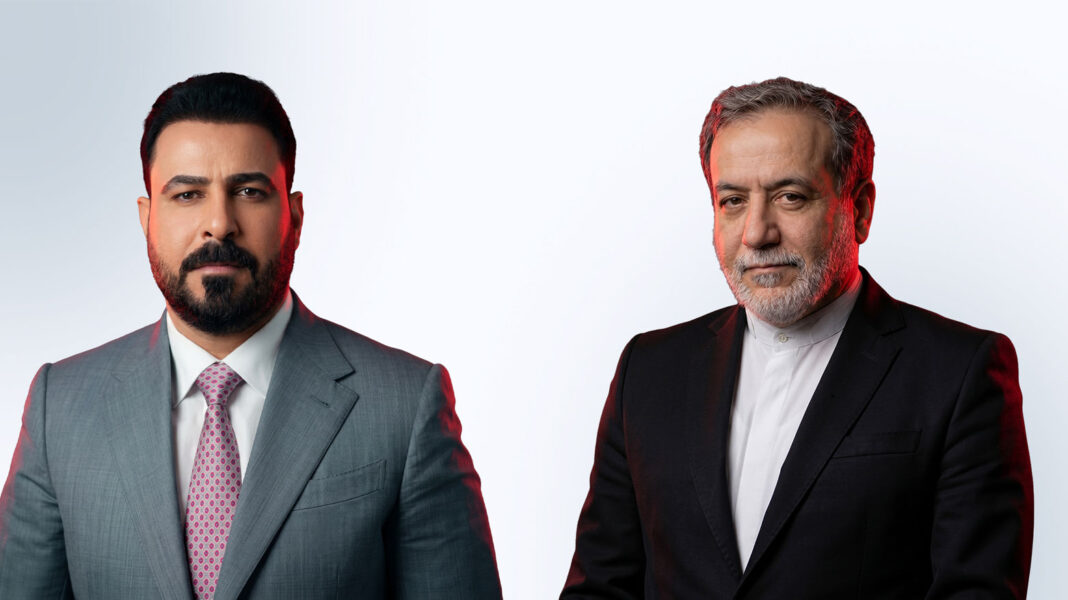
Moreover, Iranian concerns reportedly link to perceived strong United States backing for Prime Minister-designate Ali Al-Zaidi. Tehran also worries about potential efforts to reduce its influence in Baghdad. Consequently, these tensions have shaped recent diplomatic movements and political discussions.
Furthermore, Quds Force commander Esmail Qaani arrived in Baghdad recently. He immediately entered discussions with leaders of the Shiite Coordination Framework and several armed faction commanders. These meetings focused on shaping the next government and managing political balance. However, participants failed to reach a final agreement.
Additionally, sources confirmed that Tehran has not clarified its final position on Al-Zaidi. Therefore, uncertainty continues to surround the progress of the Baghdad cabinet formation talks. Political actors remain divided over key ministerial allocations and strategic direction.
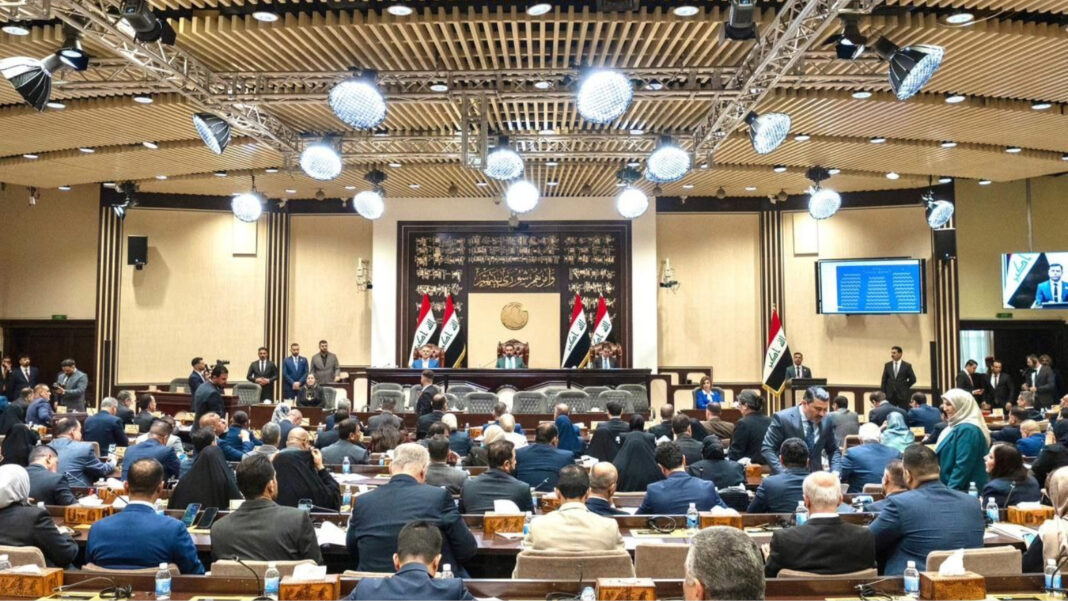
Meanwhile, parliamentary momentum has increased significantly. Lawmakers aim to conduct a confidence vote on the proposed cabinet within two days. At the same time, political blocs reportedly reached a temporary understanding to accelerate approval before several members travel for Hajj.
Earlier, Al-Zaidi submitted the government program to Parliament Speaker Haibet Al-Halbousi. Subsequently, the program entered review stages among lawmakers. Officials expect the cabinet lineup to be presented separately after further negotiations conclude.
Additionally, political observers note rising urgency within Iraq’s institutions. They believe regional pressures have accelerated internal decision-making. As a result, stakeholders continue intensive discussions to prevent further delays.
At the same time, disagreements persist over key ministerial posts. Nevertheless, negotiations continue across multiple political offices. These ongoing efforts demonstrate how central the Baghdad cabinet formation talks remain to Iraq’s current political stability.
Finally, observers expect decisive developments within days. However, uncertainty still defines the political landscape as competing interests remain unresolved. Ultimately, the outcome of the Baghdad cabinet formation talks will shape Iraq’s next government direction.