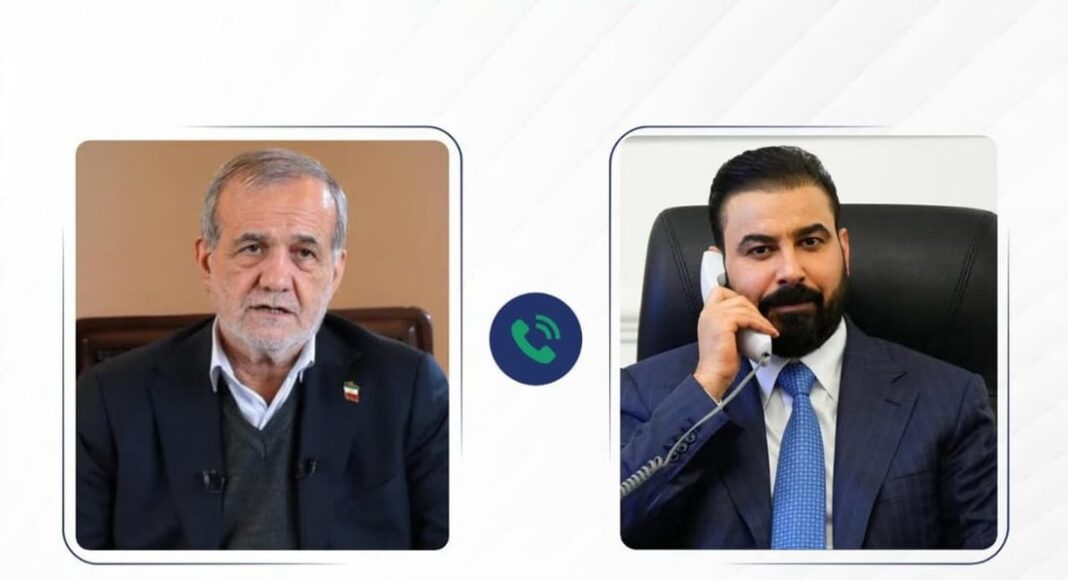
Iraq-Iran relations moved back into focus after Iranian President Masoud Pezeshkian held a phone call with Iraq’s Prime Minister-designate Ali al-Zaidi on Tuesday evening. The leaders discussed regional stability, diplomatic cooperation, and future coordination between Baghdad and Tehran.
According to a statement from Iraq’s prime minister’s media office, Pezeshkian congratulated Zaidi on his nomination to form Iraq’s next government. In addition, both sides agreed to exchange official visits in the coming period.
Zaidi stressed the importance of diplomacy during the conversation. Furthermore, he said Iraq supports dialogue to resolve regional disputes and contain escalating tensions.
He also suggested Iraq could help mediate between Iran and the United States. Consequently, observers now expect Baghdad to increase diplomatic activity across the region.
The call came only days after a separate conversation between Zaidi and U.S. President Donald Trump. During that discussion, Trump reportedly expressed support for Zaidi and emphasized the importance of regional stability.
The two leaders also discussed bilateral cooperation and joint efforts to strengthen security throughout the Middle East. As a result, Iraq now appears positioned between two major regional rivals during a sensitive political moment.
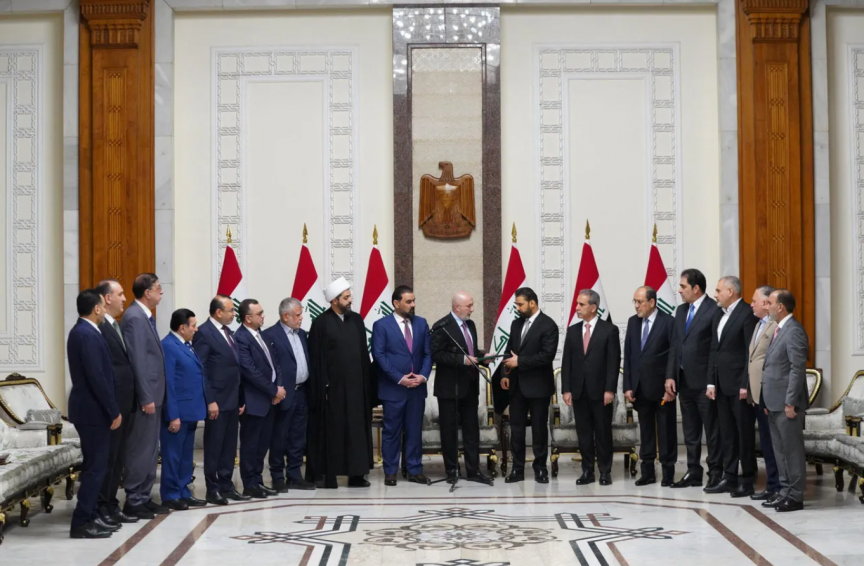
Meanwhile, Iraqi political forces continue negotiations over the formation of the country’s next cabinet. Last week, the Coordination Framework nominated Zaidi after both Nouri al-Maliki and incumbent Prime Minister Mohammed Shia al-Sudani withdrew from consideration.
Zaidi now faces several political challenges. First, he must form a cabinet within 30 days. Second, he must present a government program to parliament. Finally, he must secure support from an absolute majority of Iraq’s 329 lawmakers.
Political analysts believe Zaidi’s foreign policy approach could shape the next phase of Iraq-Iran relations. In addition, his outreach to Washington may influence Iraq’s position in broader regional negotiations.
The latest developments also arrive during rising diplomatic activity across the Middle East. Several governments have increased talks aimed at reducing tensions and preventing further conflict in the region.
At the same time, Iraq continues efforts to balance ties with both Tehran and Washington. Therefore, Zaidi’s statements about mediation attracted attention from regional political observers.
Supporters argue Iraq could play a constructive diplomatic role because of its relations with both countries. However, critics question whether Baghdad can maintain neutrality during growing geopolitical competition.
Still, the recent phone calls highlighted Iraq’s growing diplomatic importance. Moreover, they signaled that Iraq-Iran relations will likely remain central during negotiations over Iraq’s next government and regional strategy.