
The Iraq-U.S. truce talks have gained momentum in Baghdad as tensions continue to rise across Iraq and the wider region. Moreover, political actors now attempt to reduce escalation through indirect negotiations. The Shiite Coordination Framework has stepped forward to guide these efforts. It has delegated Hadi Al-Amiri to lead the mediation process.
Additionally, the initiative aims to establish a temporary ceasefire between Iraqi armed factions and U.S.-linked forces. The Iraq-U.S. truce talks form part of broader attempts to stabilize an increasingly volatile environment. A source familiar with the discussions confirmed these developments to Shafaq News on Sunday.
Furthermore, mediators are modeling the current effort on a previous short truce. That truce involved Kataib Hezbollah and lasted five days. It later received multiple extensions. During that period, attacks near the U.S. embassy in Baghdad stopped. Therefore, negotiators now view it as a workable reference point.
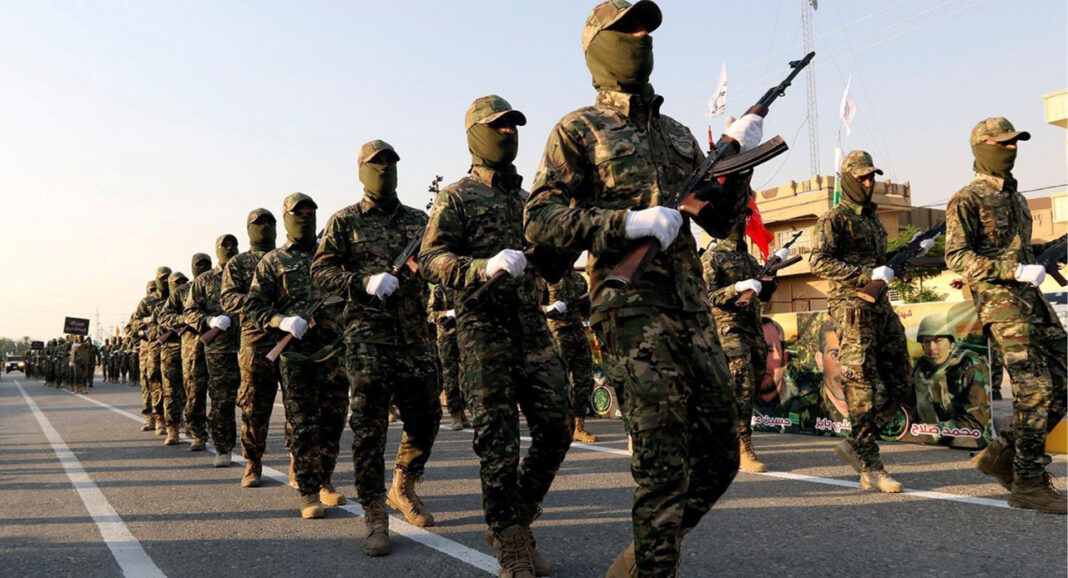
In parallel, discussions currently focus on Kataib Hezbollah and Harakat Al-Nujaba. Both groups operate within Iraq’s Islamic Resistance network. Moreover, mediators aim to establish phased commitments that reduce confrontation. They also seek to prevent sudden escalations that could widen the conflict.
At the same time, U.S. airstrikes continue targeting locations linked to armed factions. These strikes include areas associated with the Popular Mobilization Forces. Consequently, tensions remain high across multiple Iraqi provinces. The ongoing military activity complicates diplomatic progress significantly.
Meanwhile, faction-linked groups claim responsibility for nearly 450 attacks on U.S. facilities. These attacks span Iraq and several regional countries. They describe their operations as part of a broader regional campaign. They also connect their actions to the wider U.S.-Israeli conflict involving Iran.
Despite continued violence, mediators still push forward with indirect diplomacy. The Iraq-U.S. truce talks remain central to these de-escalation efforts. However, trust between the involved parties remains limited. Both sides continue to maintain strong operational and political positions.
In addition, analysts warn that any agreement may remain temporary. They argue that deeper political and military disputes continue to drive instability. Nevertheless, diplomatic channels remain active behind the scenes. Officials hope that gradual steps may reduce the intensity of ongoing clashes.
Finally, observers emphasize that sustained mediation will determine success. They also highlight the importance of maintaining communication channels. If progress continues, the Iraq-U.S. truce talks could help reduce regional escalation risks in the coming weeks.