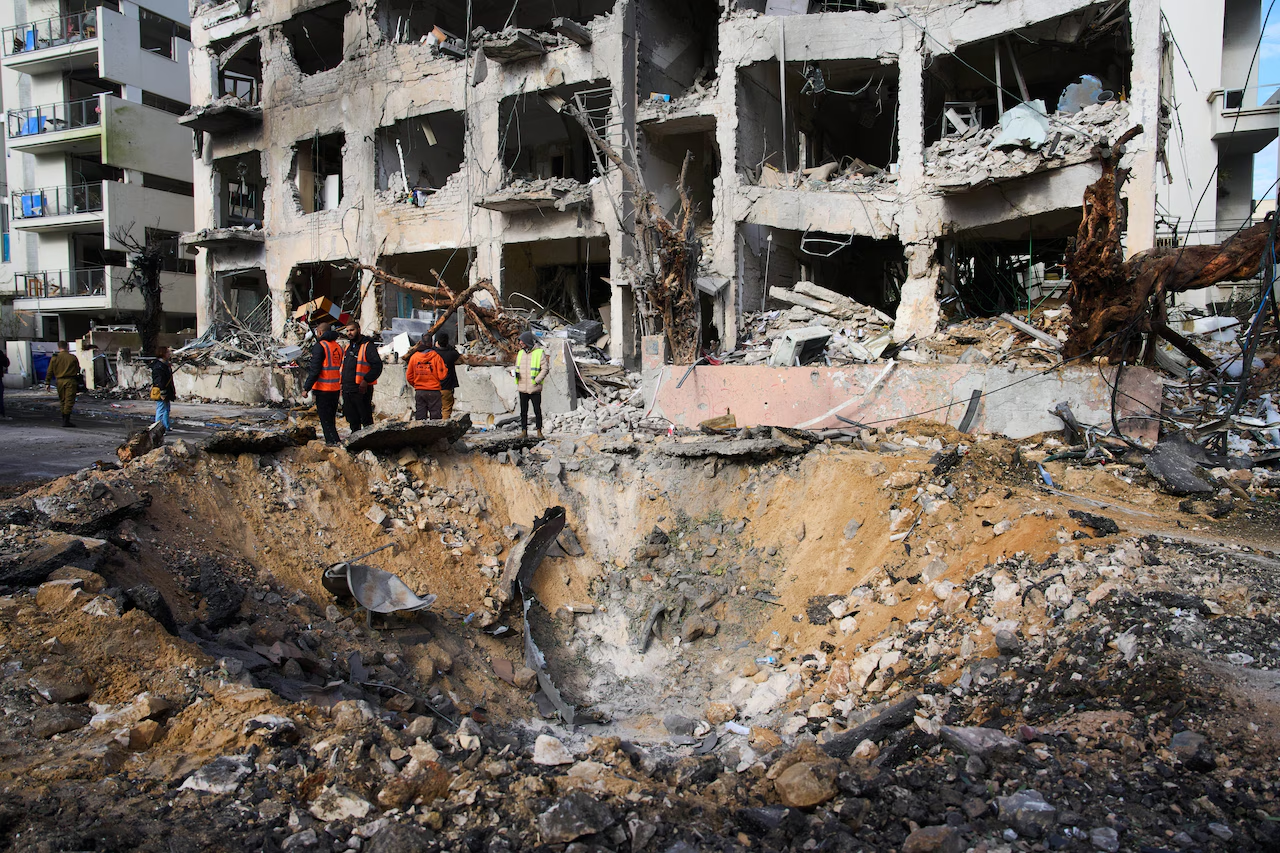
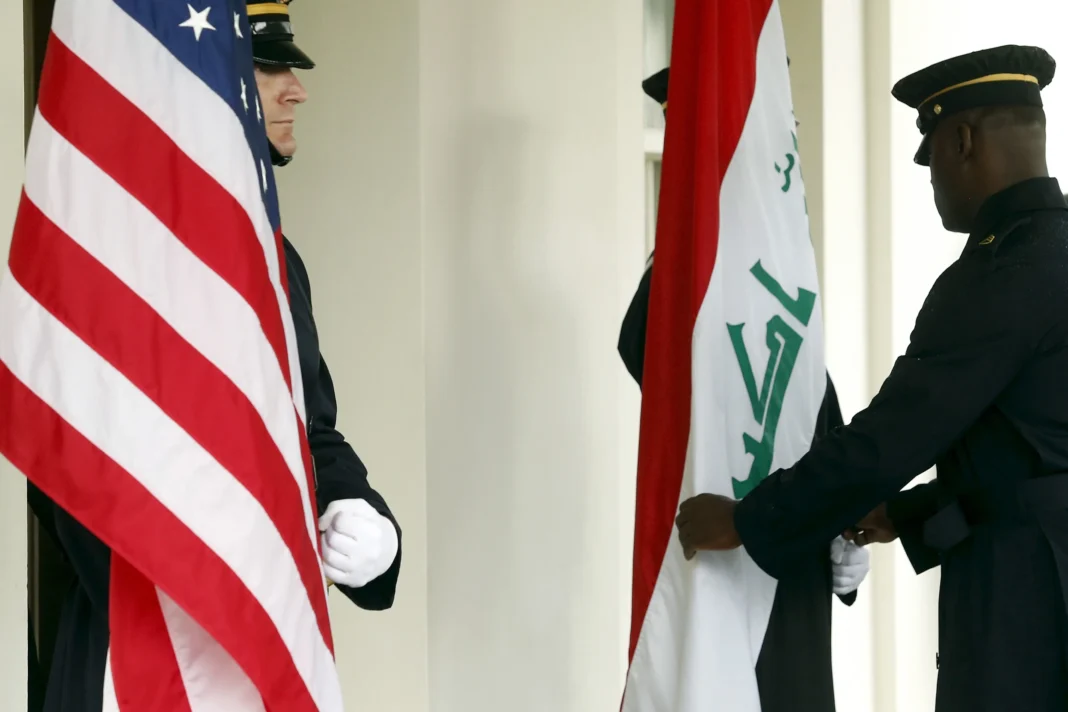
US orders government personnel and their families to leave Iraq as Middle East tensions escalate. Officials cite safety concerns amid the US-Israel-Iran conflict. Meanwhile, diplomatic facilities across the region face temporary closures.
The order directs non-emergency federal staff in Iraq, Qatar, Kuwait, Bahrain, and Jordan to relocate. Consequently, families coordinate departures with embassy officials. Essential personnel remain on duty to maintain critical operations.
On March 3, the US Mission to Saudi Arabia closed after a drone strike. Officials told Americans in Jeddah, Riyadh, and Dhahran to stay indoors and avoid unnecessary travel. Similarly, the US Embassy in Kuwait halted operations until further notice and canceled all routine and emergency consular appointments.
In Israel, the US Embassy instructed citizens to implement their own security measures. Embassy staff cannot provide direct assistance or evacuation because of heightened risks. Therefore, Americans must monitor official updates and follow safety guidelines carefully.
The US, Israel, and Iran conflict prompted security reinforcements at embassies across the region. Guards patrol perimeters, and officials restrict access to facilities. Furthermore, non-essential travel restrictions aim to reduce staff exposure to potential threats.
Analysts explain that these actions reflect growing concern about attacks on US interests in the Middle East. Consequently, officials assess risks daily and adjust staff presence and operational procedures. Emergency response teams remain on alert in all affected countries.
US orders government personnel as a precaution to protect lives and limit vulnerability. The State Department emphasizes these steps remain temporary but necessary given current conditions. Meanwhile, embassy staff work remotely whenever possible to support Americans abroad.
Overall, US orders government personnel underline the serious impact of geopolitical conflicts on diplomatic operations. Citizens and families must stay vigilant, while officials coordinate across multiple countries to ensure safety. Analysts expect further updates as the situation evolves.