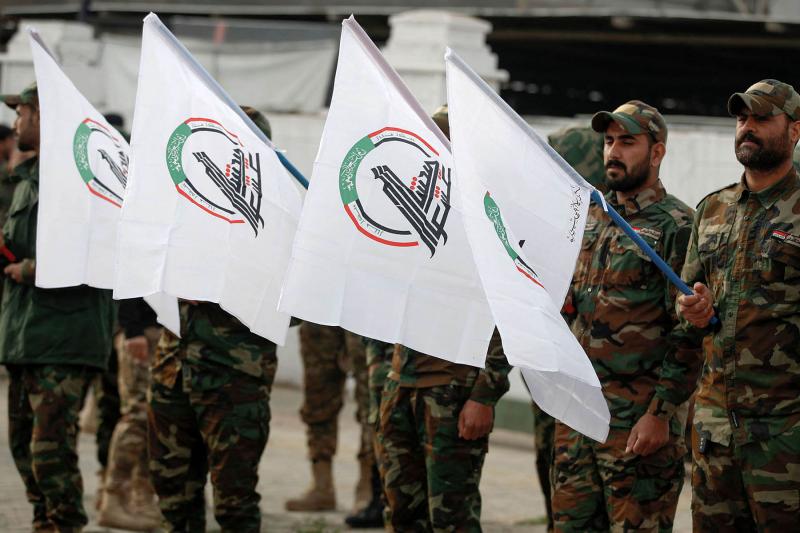
Iraq’s weapons control efforts gained fresh attention after the Popular Mobilization Forces announced a security handover in Salahaddin. The PMF said its 52nd Brigade assumed responsibility for part of Amirli district on Saturday. The move followed a transfer from the Iraqi Army’s 86th Brigade. According to the PMF, its forces took control of security checkpoints in Bustamli village.
The second battalion of the army brigade previously managed the area and its security responsibilities. However, the PMF described the handover as part of a wider security reorganization. Furthermore, the group said the move aims to improve coordination between state security forces. It also said the arrangement would help maintain stability and protect local residents.
Amirli and nearby areas remain sensitive because of continuing security concerns. Iraqi forces continue operations across eastern Salahaddin to prevent ISIS remnants from regrouping. Meanwhile, Baghdad has intensified efforts to unify security decisions under state authority. Security Media Cell chief Saad Maan addressed the issue on Saturday. Maan said the government wants military force to operate under state control.
Maan also described the PMF as a constitutional and legal institution. However, he stressed that armed groups outside that framework would face government action. Authorities would address such groups through constitutional, legal, and administrative channels. Maan also discussed the government’s September 30 deadline for weapons control. He said the deadline should not create concern among armed factions.
Instead, Maan emphasized dialogue and existing constitutional mechanisms. According to Maan, the state must hold exclusive authority over war and peace decisions. He rejected the possibility of parallel armed forces operating outside official institutions. Maan further revealed that several factions have already surrendered significant quantities of weapons. These weapons reportedly included arms that lacked registration or PMF authorization.
At the same time, Iraq continues expanding its weapons registration program. A permanent Interior Ministry committee currently registers around 6,000 firearms every week. Maan said authorities have registered approximately 580,000 firearms so far. The figures highlight the scale of Iraq’s ongoing efforts to regulate weapons.
Moreover, the government wants stronger coordination between different security institutions. The Amirli handover therefore comes amid a wider restructuring of security responsibilities. It also reflects Baghdad’s broader push to strengthen centralized control over armed forces. Iraq’s weapons control efforts remain focused on preventing competing security decisions.
The government argues that unified authority remains essential for Iraq’s stability and sovereignty. As the September deadline approaches, authorities are expected to continue negotiations. They will also rely on legal and administrative measures to advance the process. The latest security handover could therefore become part of this broader national effort. Iraq’s weapons control efforts will likely remain a central issue in the coming weeks.