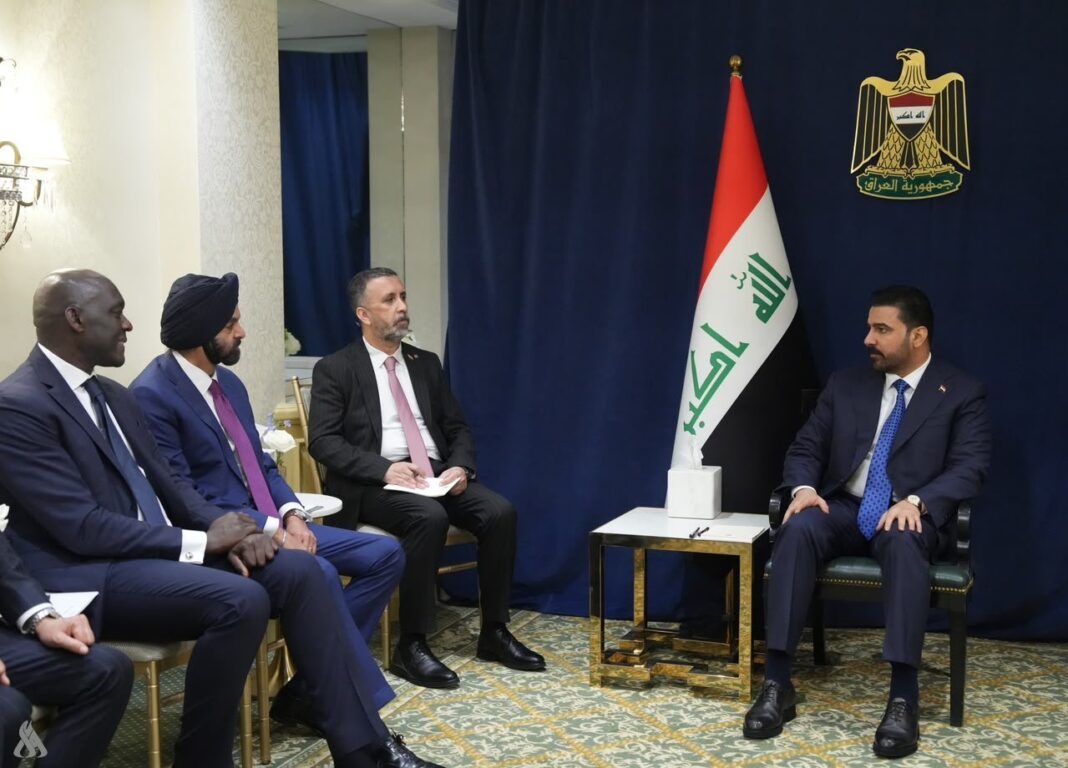
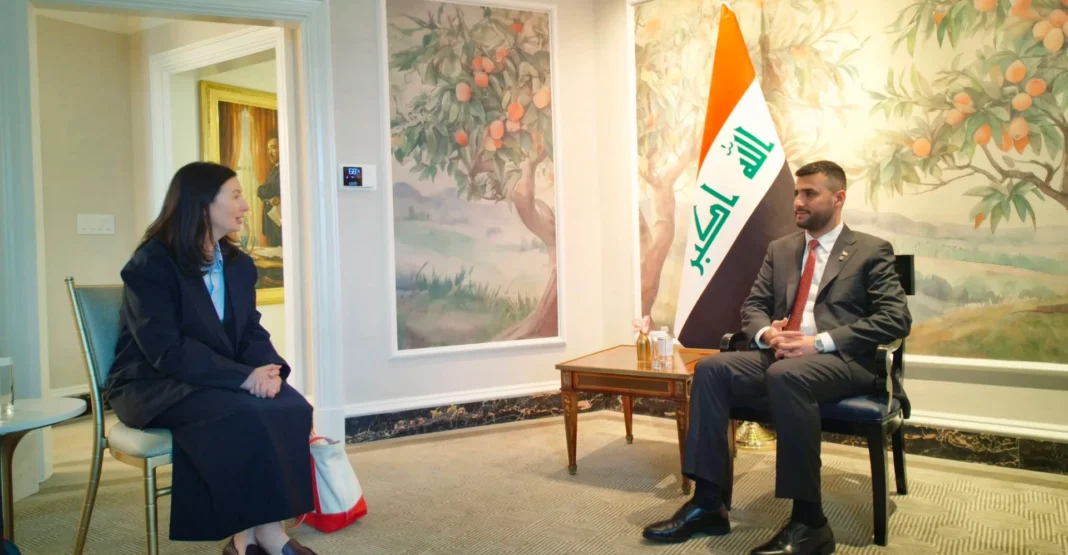
Baghdad has opened discussions with American institutions while seeking urgent solutions to nationwide electricity shortages. Electricity Minister Ali Saadi Waheeb presented Iraq’s energy priorities during an official visit to the United States. He met Victoria Taylor, who leads the Atlantic Council’s Iraq Initiative. The talks placed the Iraqi power crisis at the center of potential cooperation.
Waheeb called for rapid measures that officials could implement without lengthy delays. He highlighted generation, transmission, distribution, and fuel supplies as the most urgent areas. Moreover, he urged both sides to focus on practical projects with measurable results. Such projects could provide families and businesses with more reliable electricity.
Iraq needs additional generating capacity to meet its rapidly growing electricity demand. Population growth and urban development continue to increase pressure on power stations. Meanwhile, industrial projects also require stable electricity for daily operations. Therefore, Baghdad wants new partnerships that can support stronger production capacity.
However, higher generation alone cannot solve the country’s electricity problems. Iraq also needs modern transmission lines that can carry power efficiently between provinces. Furthermore, outdated equipment often limits the network’s ability to handle rising demand. Network improvements could reduce losses and strengthen electricity delivery.
Distribution systems also require urgent attention across many Iraqi cities. Weak local networks contribute to unstable supplies and frequent service interruptions. Consequently, households often depend on private generators during extended power cuts. These generators place additional financial pressure on families and small businesses.
Waheeb also highlighted reliable fuel supplies for Iraq’s power stations. Electricity plants need steady fuel deliveries to maintain production throughout the year. Any supply disruption can reduce generation and place greater pressure on the national network. Therefore, officials want stronger planning between electricity and energy authorities.
The meeting also explored cooperation with American research institutions and international companies. Iraq hopes these partnerships can provide technical knowledge and modern energy solutions. Additionally, foreign companies could support infrastructure development and improve power network management. Research institutions could also help officials create effective long-term policies.
Baghdad wants stronger dialogue with American policy centers and energy specialists. Through these discussions, Iraq can explain its urgent needs more clearly. Moreover, Iraqi officials can present investment opportunities within the electricity sector. Such engagement could encourage international partners to support future energy projects.
Meanwhile, public anger over electricity shortages has continued across southern Iraq. Dozens of residents protested in Maysan and Muthanna after electricity services deteriorated. Demonstrators demanded stronger supplies and faster government action. Their protests showed how deeply electricity shortages affect daily life.
Addressing the Iraqi power crisis becomes especially urgent during the summer. Temperatures can reach 50 degrees Celsius across several Iraqi provinces. Consequently, households rely heavily on air conditioners and cooling equipment. This demand places enormous pressure on power stations and transmission networks.
Electricity shortages also disrupt hospitals, schools, offices, and other essential services. Furthermore, power cuts can damage equipment and increase operating costs for businesses. Factories may reduce production when electricity supplies become unstable. Therefore, dependable power remains essential for Iraq’s economic development.
Successive governments have spent heavily on electricity projects and network improvements. However, these investments have not ended chronic shortages. Demand continues to grow faster than available production and network capacity. Additionally, weak planning and delayed projects have limited progress.
The current government now wants faster cooperation with experienced international partners. American companies could contribute technology, training, and project management expertise. Meanwhile, research organizations could help Iraq identify weaknesses across its electricity system. They could also recommend policies that match the country’s long-term needs.
However, Iraq must turn international discussions into clear domestic action. Officials need defined targets, realistic schedules, and close supervision for every project. Moreover, stronger coordination could prevent delays between ministries and contractors. Regular public updates could also strengthen trust and accountability.
Reliable electricity could improve Iraq’s wider investment environment. Companies usually seek stable power before launching large industrial or commercial projects. Therefore, stronger electricity services could attract investors and support private-sector expansion. New investments could then create jobs and strengthen local economies.
Ultimately, solving the Iraqi power crisis will require investment, planning, and consistent government action. U.S. cooperation could provide valuable technical support and international expertise. However, Iraqi institutions must lead implementation and maintain progress. Successful reforms could strengthen energy security and support sustainable economic growth.