The Iraqi economic stability plan took another step forward on Wednesday. The Iraqi government announced a September deadline to complete the state’s weapons monopoly. Officials linked the timeline to the planned withdrawal of Global Coalition forces from Iraq. At the same time, Baghdad unveiled an international development fund worth up to $150 billion. Leaders hope the initiative will strengthen investment and support long-term growth.
Government spokesperson Haider al-Abboudi announced the measures during a press conference in Baghdad. He said the deadline forms part of the ministerial program that parliament approved earlier. Moreover, the government expects the timetable to coincide with the end of the coalition’s mission inside Iraq.
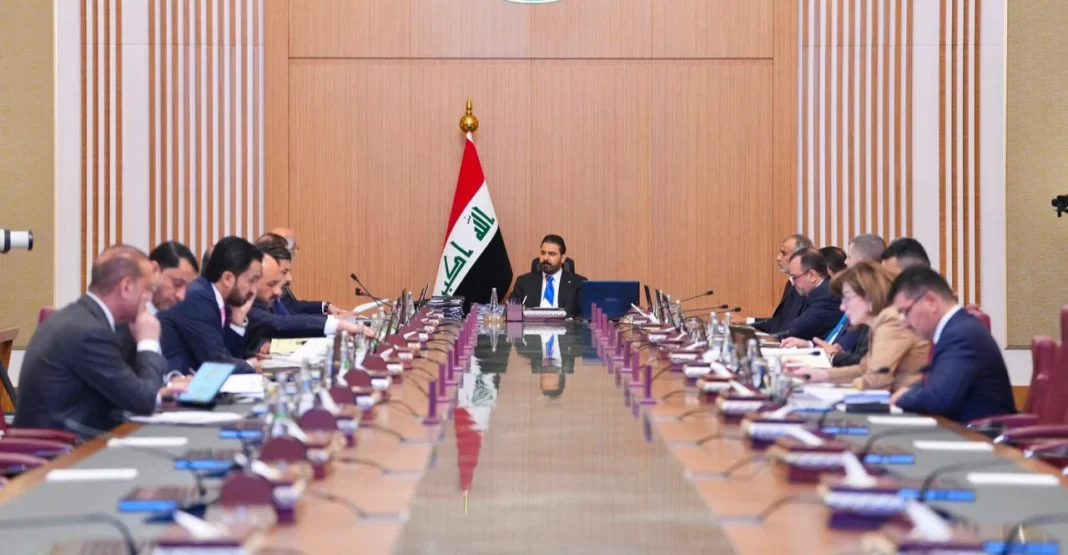
Al-Abboudi explained that the Council of Ministers approved work on a program budget. Officials will coordinate with the World Bank and the parliamentary finance committee. They aim to push forward economic reforms and improve financial management.
Furthermore, al-Abboudi clarified details about the new development fund. He said the investment vehicle remains separate from Iraq’s general budget. Therefore, the government will not use the fund for direct spending.
Instead, Iraq plans to attract support from international partners. These partners will provide guarantees ranging between $100 billion and $150 billion. Consequently, officials expect the initiative to encourage investment and strengthen economic resilience.
According to al-Abboudi, the project focuses on sustainable growth. He stressed that investment, rather than government expenditure, will drive the strategy. As a result, authorities hope to create stronger foundations for future development.
The Iraq economic stability plan also shapes Iraq’s diplomatic priorities. Al-Abboudi said Prime Minister Ali al-Zaidi will focus mainly on economic issues during his upcoming visit to the United States. In addition, he emphasized that Iraq continues to maintain balanced relations with all countries.
Meanwhile, officials addressed developments in the Kurdistan Region. Al-Abboudi stated that al-Zaidi instructed oil companies operating in the region to increase production. The government hopes higher output will generate revenues needed to secure public salaries.
Moreover, officials seek to resolve the ongoing financial difficulties affecting the Kurdistan Region. Increased oil production could provide additional resources and ease pressure on public finances.
The government believes stronger revenues will support broader reforms. Consequently, leaders want to create a more stable economic environment.
In recent months, Iraq has increased efforts to diversify its economy. Authorities continue to promote investment and attract international partnerships. They also seek policies that can reduce financial pressures and improve long-term growth.
The Iraq economic stability plan reflects these broader ambitions. Officials hope investment projects and economic reforms will strengthen stability while supporting development across the country.