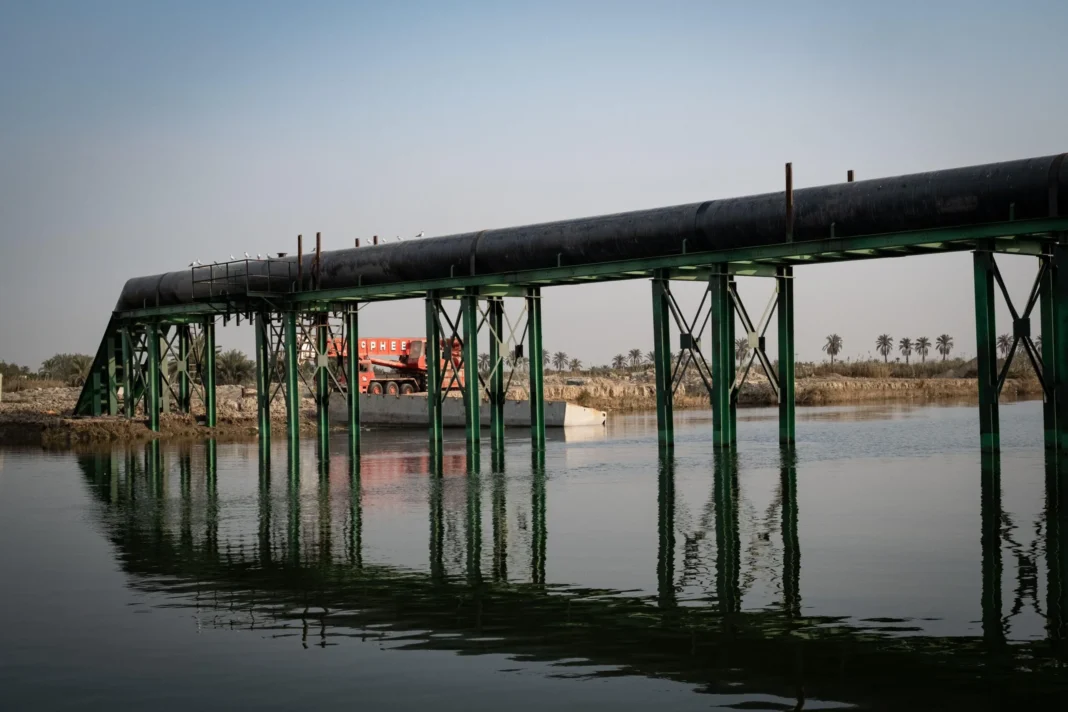
Iraqi Oil Minister Basim Khudair announced that three international companies will develop a strategic pipeline network across Iraq. The consortium includes American companies TI Capital and Chevron alongside Qatar’s UCC. The Iraq oil pipeline will connect Basra with Fishkhabur near the Turkish border. Officials view the project as a major part of Iraq’s future energy strategy.
Iraq also plans to extend the network toward Turkey’s Ceyhan port and Syria’s Baniyas port. These routes would give Iraqi crude greater access to Mediterranean markets. Moreover, they could help exporters respond faster to regional shipping disruptions. Greater route diversity would also strengthen Iraq’s position with international buyers.
Iraq currently relies heavily on southern export facilities and shipping through the Strait of Hormuz. That dependence exposes oil revenue to maritime disruptions and regional tensions. Therefore, officials want land routes that can protect exports during emergencies. New Mediterranean outlets could reduce pressure on Iraq’s southern shipping system.
Khudair said the two additional outlets would improve Iraq’s export flexibility. They could allow Iraq to redirect some volumes when one route faces disruption. Furthermore, several outlets could support steadier deliveries to global customers. This flexibility could protect government revenue and long-term development plans.
The Basra region contains many of Iraq’s most important southern oil reserves. Meanwhile, Fishkhabur provides a strategic connection near the Turkish border. Connecting both areas would create a major northbound corridor through the country. The network could then move crude toward Ceyhan and Baniyas.
Khudair emphasized Iraq’s plan to build partnerships with leading international companies. He said Baghdad has prioritized American participation while pursuing major energy agreements. Together, the three companies would support development of the planned network. Such cooperation could provide financing, technical knowledge, and project management.
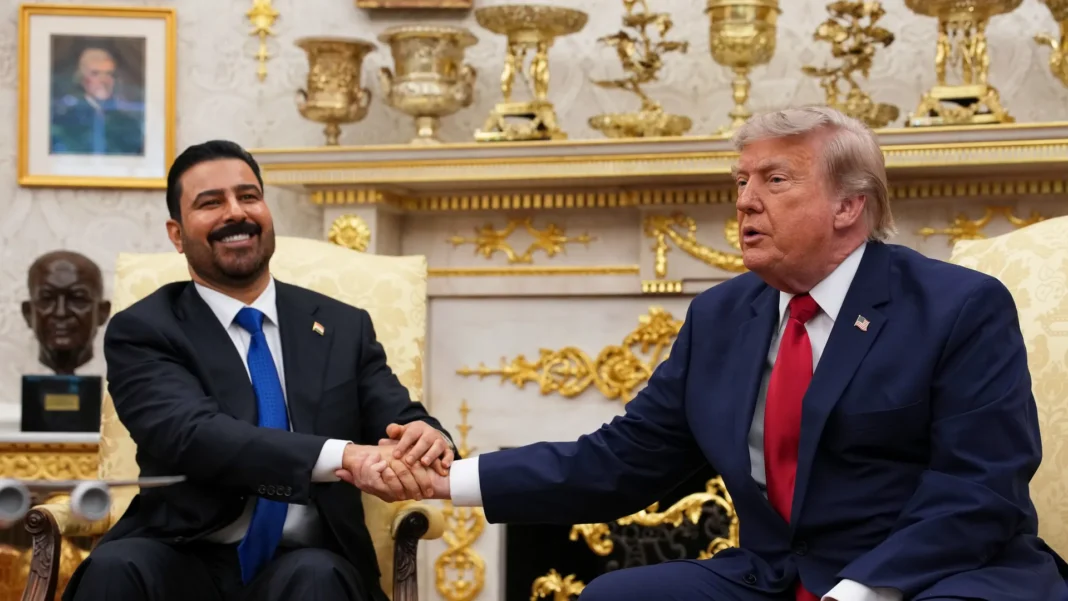
Prime Minister Ali Al-Zaidi also discussed international investment with U.S. President Donald Trump during talks in Washington. Khudair said both leaders share an interest in attracting global companies to Iraq. The Iraq oil pipeline reflects that effort to deepen commercial ties. Moreover, the plan places energy infrastructure at the center of bilateral economic cooperation.
Financial and economic obstacles previously prevented Baghdad from completing the project. Large pipeline systems require substantial capital, long construction periods, and complex agreements. However, international partners could help Iraq overcome some of those barriers. Officials must still secure financing and establish clear responsibilities for every participant.
Construction will require cooperation between Baghdad, regional authorities, foreign companies, and neighboring countries. Project planners must also address security, maintenance, land access, and environmental concerns. Additionally, cross-border sections will require agreements covering operations and crude deliveries. Strong coordination will determine whether the network reaches its intended ports.
Officials have not announced a final construction schedule or total project cost. They also have not explained how the consortium will divide ownership and operational duties. Therefore, Iraq must settle several commercial and technical details before full construction. Future agreements may provide clearer information about financing and implementation.
The planned Ceyhan connection would strengthen access to Turkey and Mediterranean shipping lanes. Meanwhile, a Baniyas branch would offer Iraq another route through Syria. Together, both options could reduce Iraq’s dependence on one export direction. However, each route will require stable cross-border cooperation and secure infrastructure.
Additional export routes could strengthen Iraq’s ability to manage production growth. They could also support new investment in oilfields, storage facilities, and pumping stations. Furthermore, construction could create demand for local workers, services, and materials. The project may therefore generate economic activity beyond the oil sector.
Iraq holds vast oil and gas reserves but still depends heavily on limited export channels. Khudair argued that such dependence no longer serves the country’s strategic interests. Accordingly, the government wants infrastructure that matches Iraq’s resource potential. A broader network could give policymakers more choices during regional crises.
The Iraq oil pipeline could become one of the country’s largest strategic energy projects. It promises a new corridor between southern reserves, northern borders, and Mediterranean ports. However, Baghdad must convert political support into financing, agreements, and construction. Success could reshape Iraq’s export map and strengthen its long-term energy security.