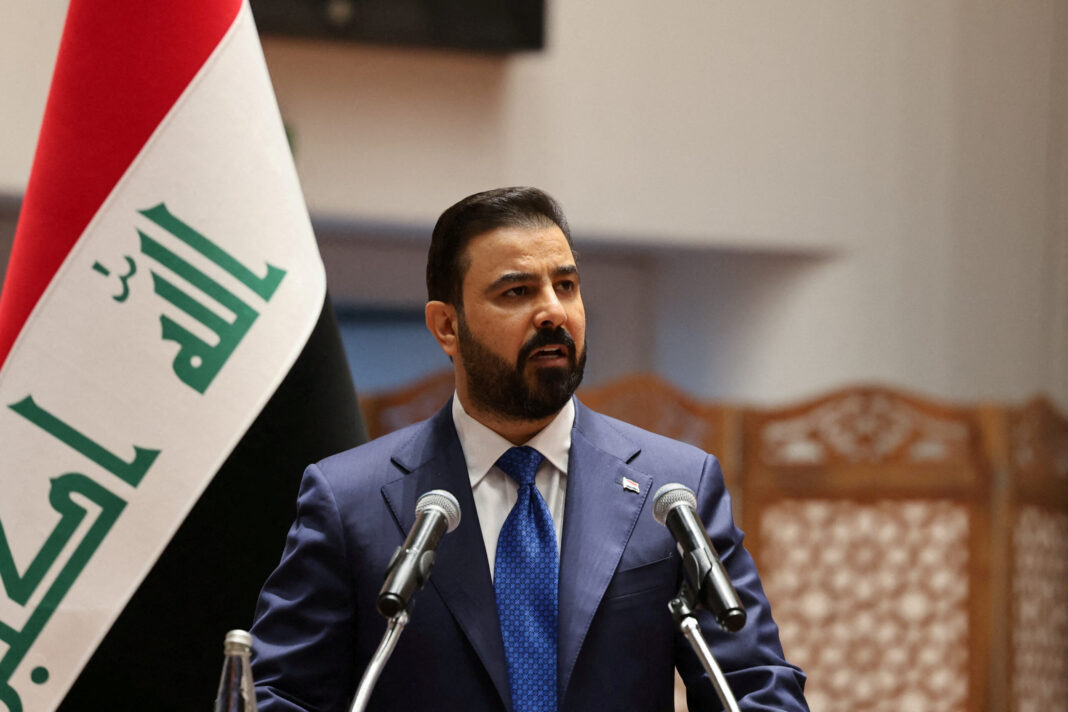
Iraqi Prime Minister Ali Al-Zaidi condemned a drone incursion over Erbil after local air defenses intercepted several aircraft. The Erbil drone attack raised fresh concerns about security across the Kurdistan Region. Iraqi authorities have not identified the party that launched the drones. However, the prime minister called the incident a direct violation of Iraq’s airspace.
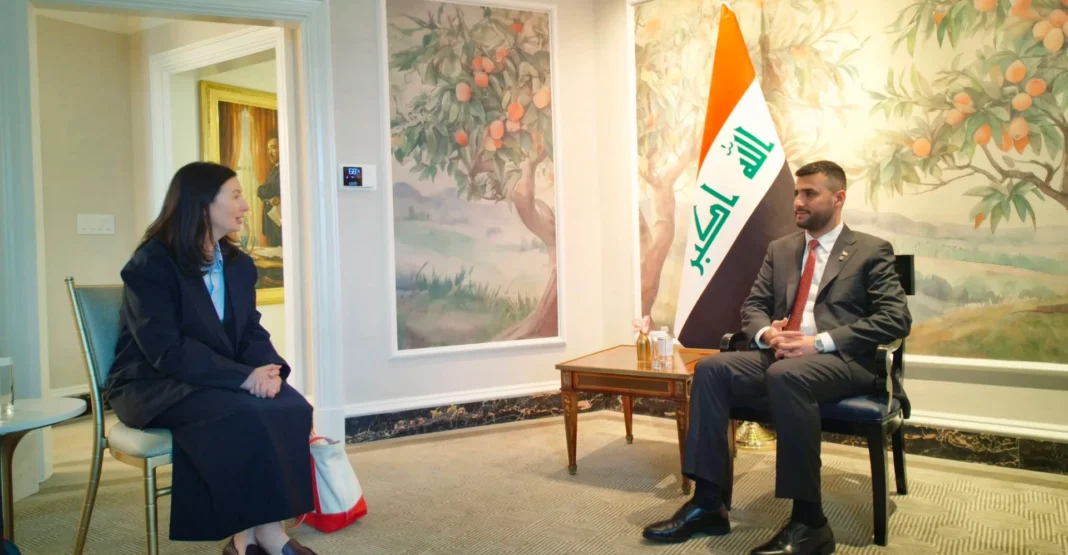
Al-Zaidi issued his response while visiting Washington for high-level talks with American officials. He said the drone activity threatened stability, public safety, and social calm. Moreover, he rejected any effort to weaken Iraq or disrupt its state institutions. He also promised a coordinated security response.
In response, Al-Zaidi instructed federal security agencies to coordinate closely with Kurdish forces. He ordered both sides to take immediate precautions against further attacks. Furthermore, he called for stronger intelligence sharing between national and regional authorities. This cooperation could help forces detect threats before they reach populated areas.
The prime minister also demanded broader action against armed groups that endanger Iraqi communities. He urged security units to identify their networks and dismantle their operational structures. Additionally, authorities must track the weapons, financing, and logistical support associated with such groups. Al-Zaidi said the government would defend security across every Iraqi province.
Al-Zaidi framed the incident as a matter of constitutional duty and national sovereignty. He stressed that no group may violate Iraqi airspace or frighten civilians. Therefore, Baghdad intends to treat aerial threats as challenges to the entire country. His statement also emphasized unity between federal and Kurdish security institutions.
Officials did not provide further details about the drones or their intended targets. They also offered no information about possible launch locations. Meanwhile, security teams continued their efforts to understand the circumstances surrounding the incursion. Nevertheless, the government focused its response on prevention and coordination.
Al-Zaidi said the Erbil drone attack threatened more than one city. He argued that armed pressure could undermine Iraq’s broader political and security progress. Consequently, he linked the response with efforts to strengthen national institutions. He also called social harmony an essential government priority.
The incident unfolded during Al-Zaidi’s first official Washington visit since he took office. His administration seeks deeper American cooperation on security, investment, and energy. Therefore, the drone incursion added urgency to discussions about regional stability. It also highlighted Iraq’s need for stronger aerial surveillance and defensive coordination.
Security cooperation could become a significant issue during the prime minister’s meetings in the United States. Baghdad wants partnerships that improve intelligence, training, and protection for critical locations. Moreover, Iraqi leaders want international support without weakening national sovereignty. This balance remains central to Iraq’s foreign and security policies.
Erbil hosts diplomatic missions and facilities that support personnel from the U.S.-led coalition. Therefore, any drone activity over the city carries national and international significance. The city also serves as the Kurdistan Region’s political and commercial center. An aerial threat can consequently alarm residents, diplomats, investors, and security officials.
Drones and rockets have targeted Erbil during earlier periods of heightened regional tension. Such attacks often increase fears that wider conflicts could spill into Iraq. However, Iraqi leaders repeatedly insist that foreign rivalries must not threaten Iraqi territory. Al-Zaidi’s response reflected that position.
Coordination between Baghdad and Erbil will play a crucial role after the latest incident. Federal forces control national security tools, while Kurdish forces manage many local operations. Accordingly, both sides need rapid communication during airborne threats. Shared intelligence could improve response times and protect civilian areas.
The incident also renewed questions about Iraq’s ability to control its skies. Modern drones can travel quietly and challenge traditional security systems. Thus, Iraq may need improved radar, monitoring equipment, and specialized training. Stronger defenses could reduce risks around cities, airports, and diplomatic facilities.
Politically, Al-Zaidi’s condemnation sent a message to both domestic and regional actors. He presented the government as committed to sovereignty, stability, and institutional authority. Furthermore, he rejected armed actions that could obstruct Iraq’s diplomatic and economic agenda. The statement connected security at home with Iraq’s international partnerships.
The Erbil drone attack now places renewed pressure on authorities to identify those responsible. Security agencies must also prevent additional incursions and reassure the public. Ultimately, Baghdad and Erbil need lasting cooperation to protect Iraqi airspace. A unified response could strengthen stability and limit future threats.