Iraq’s Iraq 5G rollout could see Baghdad and the Kurdistan Region launch the service simultaneously, according to Communications Minister Mustafa Sanad.
Sanad said the ministry wants both administrations to coordinate their plans and introduce 5G across their territories at the same time. However, the Kurdistan Region has already moved ahead with preparations to introduce the technology.
“We are working to reach an agreement with them for a simultaneous launch of this service,” Sanad said.
The minister explained that a representative from the Kurdistan Regional Government recently delivered a written invitation from the Region’s prime minister. The invitation arrived during Sanad’s first week in office.
Furthermore, the Region’s transport and communications minister repeated the invitation approximately one week ago. Sanad responded by confirming that he plans to visit Erbil to discuss cooperation and resolve outstanding issues.
“We are determined to go to Erbil,” he said, signaling Baghdad’s willingness to engage directly with the Kurdistan Regional Government.
According to Sanad, the remaining disputes between Baghdad and Erbil remain limited. However, he highlighted several technical and regulatory matters that require coordination.
One major issue concerns an internet cable connecting Basra with Europe. The cable passes through the Kurdistan Region, meaning the federal ministry must coordinate with companies operating inside the Region once the infrastructure crosses into its territory.
Sanad said Baghdad wants Iraq to maintain one unified position when dealing with international telecommunications matters. Therefore, he argued that external coordination should pass through the federal Communications Ministry.
The minister also pointed to differences between the regulatory structures in Baghdad and Erbil.
The Kurdistan Region’s communications authorities directly oversee several telecommunications companies. These include Korek, one of the major operators serving customers across the Region and other parts of Iraq.
However, the Region does not have a regulatory body equivalent to the federal telecommunications regulator. As a result, regional authorities sometimes communicate directly with the federal ministry when urgent telecommunications issues emerge.
These differences could affect how authorities coordinate the Iraq 5G rollout and manage telecommunications companies after the service expands.
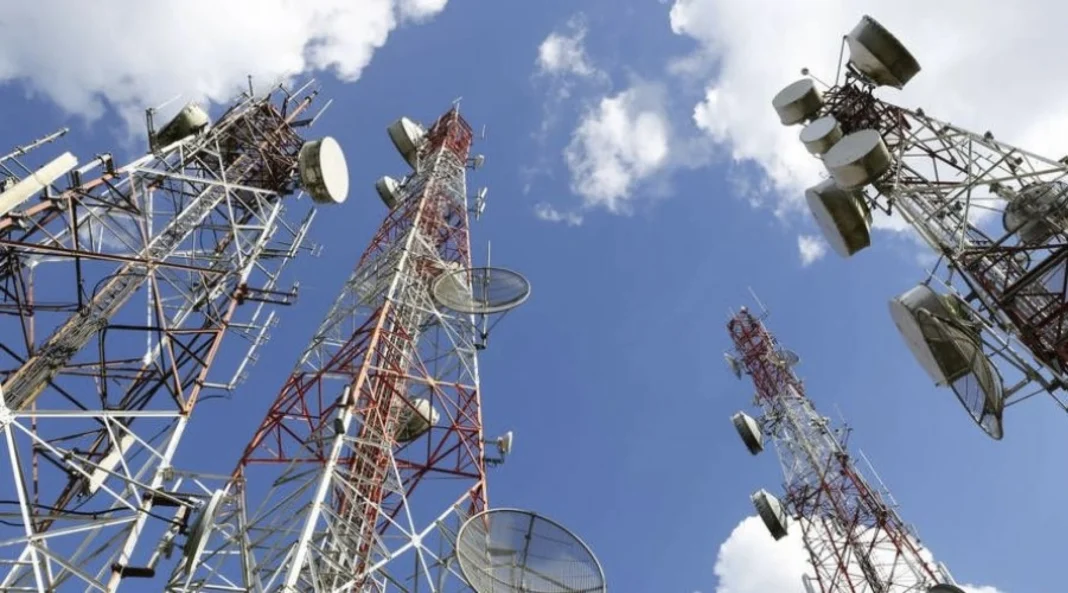
Meanwhile, 5G technology could significantly improve internet speeds, reduce network delays, and support emerging digital services across Iraq.
The technology could also benefit businesses, government services, smart infrastructure, and other sectors that depend on reliable high-speed connectivity.
For Baghdad, coordinating the launch with Erbil would also demonstrate greater cooperation between federal and regional institutions in the telecommunications sector.
The government now hopes to resolve the remaining technical and regulatory questions before establishing a common launch framework.
Sanad’s planned visit to Erbil could therefore become an important step toward closer coordination between the two administrations.
As discussions continue, the Iraq 5G rollout will depend not only on technical preparations but also on cooperation between federal and regional authorities.
A simultaneous launch would allow both sides to present a unified national approach to the next generation of mobile connectivity.