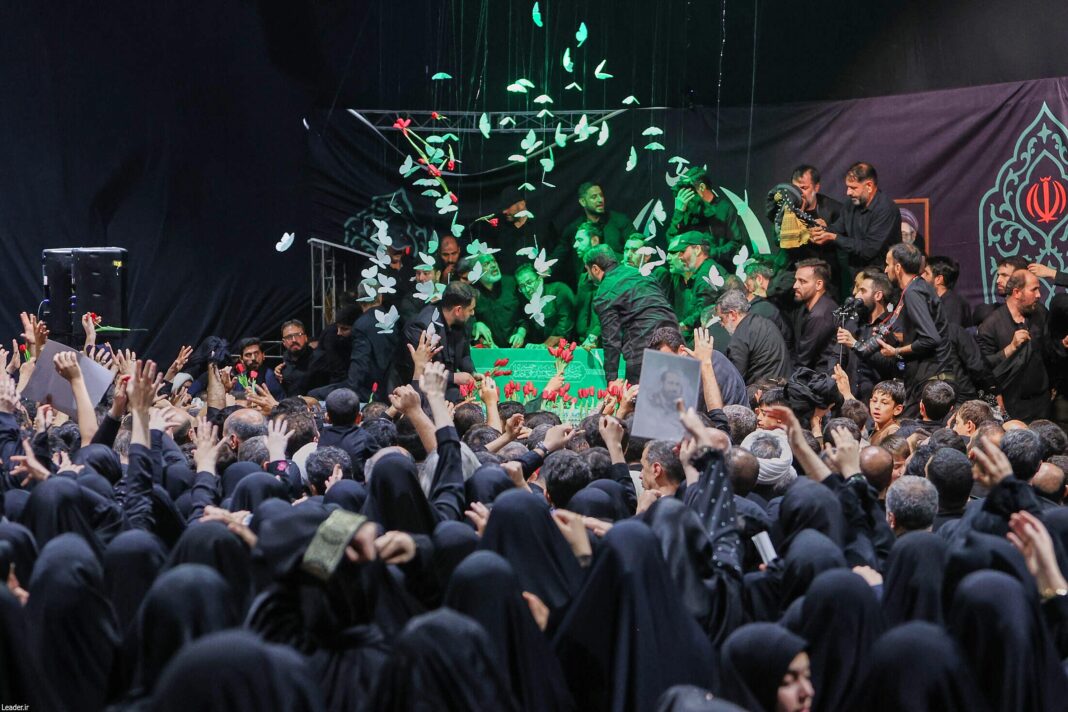
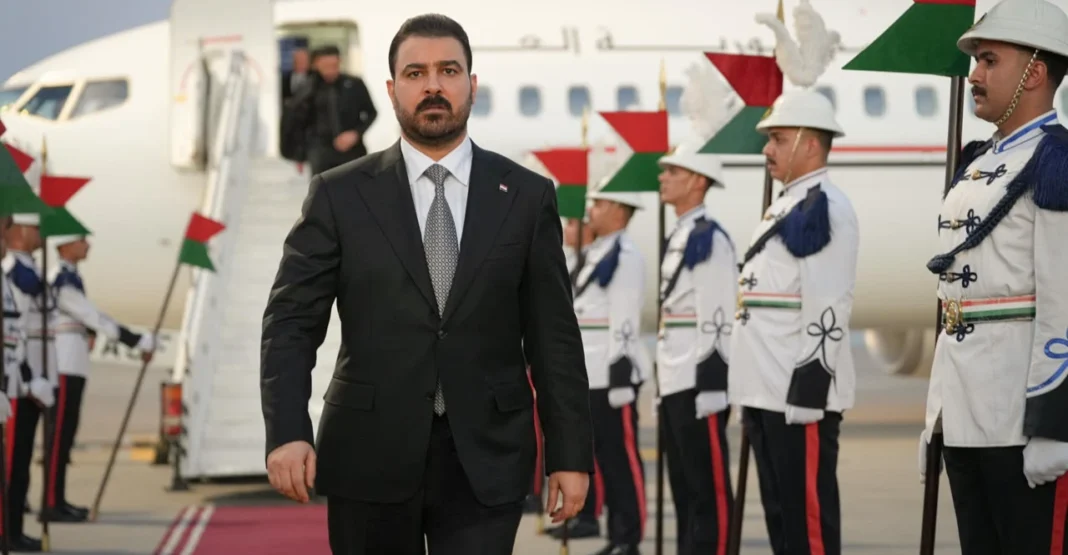
Iraq opened a major funeral reception in Najaf as senior Iraqi and Iranian leaders arrived for the ceremony.
Prime Minister Ali Al-Zaidi reached Najaf to receive the body of Iran’s late Supreme Leader Ali Khamenei. Meanwhile, Iranian President Masoud Pezeshkian arrived with a high-level delegation. The delegation included Parliament Speaker Mohammad Bagher Ghalibaf. Together, they joined Iraqi officials at Najaf International Airport.
The Iraqi funeral reception placed Najaf at the center of a major regional moment. Najaf holds deep religious importance for millions of Shiite Muslims. Therefore, officials prepared the city for large crowds and senior delegations. Security teams also organized movement around key routes.
Moreover, the arrival carried political and religious weight across the region. Iraqi leaders used the ceremony to show respect for the Iranian delegation. At the same time, Iranian officials used the visit to honor Khamenei’s legacy. The event also highlighted the close ties between Baghdad and Tehran.
Officials planned a formal ceremony in Najaf before the procession moved toward Karbala. Karbala also holds major religious importance for Shiite communities. As a result, organizers prepared service points for mourners along the route. They also arranged support for visitors who planned to attend the procession.
Furthermore, the Iraqi funeral reception drew attention because of the senior figures involved. Al-Zaidi’s presence showed Iraq’s official role in the ceremony. Pezeshkian’s arrival also showed Iran’s direct involvement in the funeral arrangements. Both sides treated the event as a major diplomatic and religious occasion.
In addition, Najaf International Airport became the main arrival point for the delegation. Iraqi officials received the Iranian side there before the next stage began. Security forces managed access to the airport and nearby roads. They also worked to prevent crowding during the reception.
The procession was later planned to continue toward Karbala, where more mourners were expected to gather. Religious processions often bring large crowds to both Najaf and Karbala. Therefore, local authorities increased preparations around shrines and public areas. They also coordinated services for water, food, and first aid.
However, the event carried more than religious meaning. It also showed how regional politics often meet religious ceremony in Iraq. Najaf and Karbala often serve as powerful symbols during major Shiite events. For that reason, the ceremony gained attention beyond Iraq and Iran.
The Iraqi funeral reception also gave Iraqi officials a chance to manage a sensitive regional moment. They needed to balance security, diplomacy, and public mourning. Meanwhile, Iranian leaders focused on honoring Khamenei during the Iraqi stage of the funeral. The body was later planned to be returned to Iran for burial in Mashhad.
In the end, the ceremony turned Najaf into the center of a major regional farewell. Iraqi and Iranian leaders stood together during the reception. Then, the procession prepared to move toward Karbala. The event showed the strong religious and political links between the two neighbors.