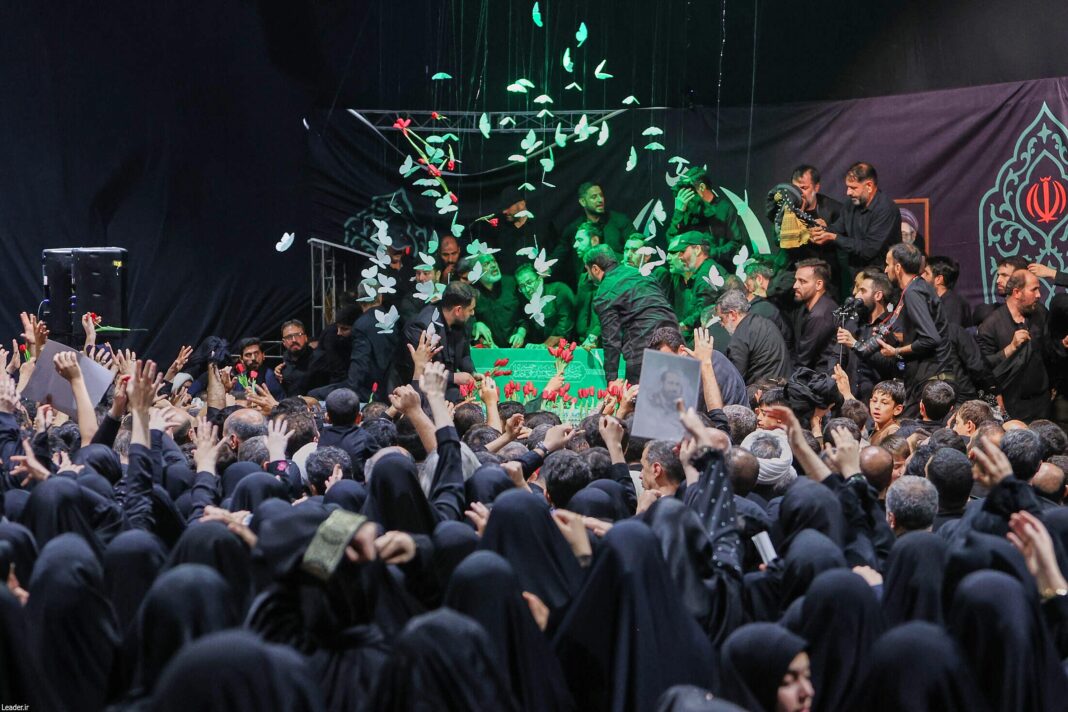
Karbala has stepped up preparations for funeral ceremonies for Iran’s late Supreme Leader Ali Khamenei. Local authorities increased security measures across key roads, public squares, and city entrances. Officials also organized service points for mourners and visiting delegations. Therefore, Iraq’s funeral security has become a central focus in the holy city.
Preparations spread across Karbala as the city expects large crowds. Workers placed banners, portraits, and flags along main streets and public areas. Organizing teams also arranged movement routes for religious processions. Moreover, security forces increased their presence near sensitive locations.
The funeral program has drawn attention because Karbala holds deep religious importance. Many mourners plan to gather in the city for the ceremonies. In addition, official delegations may join the procession and related events. As a result, local authorities want to prevent crowding and traffic disruption.
The Popular Mobilization Forces, security units, and organizing committees joined the preparations. They coordinated with service teams to manage visitor movement. They also helped organize routes leading toward the city center. This coordination aims to keep the ceremonies orderly.
Service groups prepared hospitality sites for arriving mourners. They arranged water, food, and first-aid support along key roads. Furthermore, volunteers and official teams worked to support religious processions. These steps aim to reduce pressure on public services during the gathering.
Karbala often receives large numbers of visitors during major religious events. Because of that, the city has experience managing crowds and processions. However, this funeral carries major regional and political weight. Therefore, Iraq’s funeral security requires extra coordination between local and national authorities.
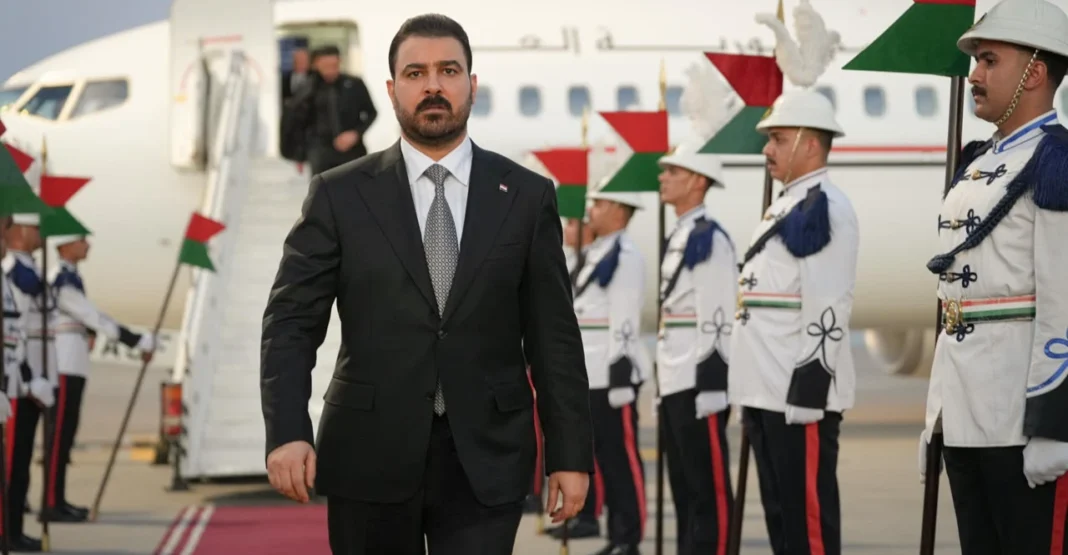
Informed sources said Iranian President Masoud Pezeshkian will lead the official delegation. The delegation will accompany Khamenei’s body during ceremonies in Najaf and Karbala. Iraqi Prime Minister Ali Falih Al-Zaidi may also join the official reception at Najaf International Airport. These high-level plans add more importance to the security operation.
Najaf also forms a key part of the funeral route. The city holds major religious significance for Shia Muslims. Therefore, officials must coordinate movement between Najaf, Karbala, and airport facilities. Strong planning can help reduce delays and protect visiting delegations.
Meanwhile, Karbala’s public spaces now carry visible signs of mourning. Flags and portraits show the political and religious importance of the event. Processions also prepared routes that connect major gathering points. In addition, local teams worked to organize access for visitors.
Security planners face several challenges during the ceremonies. They must manage traffic, protect officials, guide mourners, and support emergency response. They also need to keep roads open for service vehicles. Therefore, coordination between different forces remains essential.
The funeral also reflects the close ties between Iraq’s religious cities and Iran’s political leadership. Many Iranian officials view Najaf and Karbala as important stops during major religious ceremonies. Moreover, Iraqi authorities want to show readiness for large regional events. This gives the occasion both religious and diplomatic meaning.
For now, Karbala continues to prepare for the expected influx. Local officials expanded services and tightened security arrangements across the city. Organizing committees also continued work with security forces and processions. As a result, Iraq’s funeral security now shapes the final preparations for the ceremonies.