
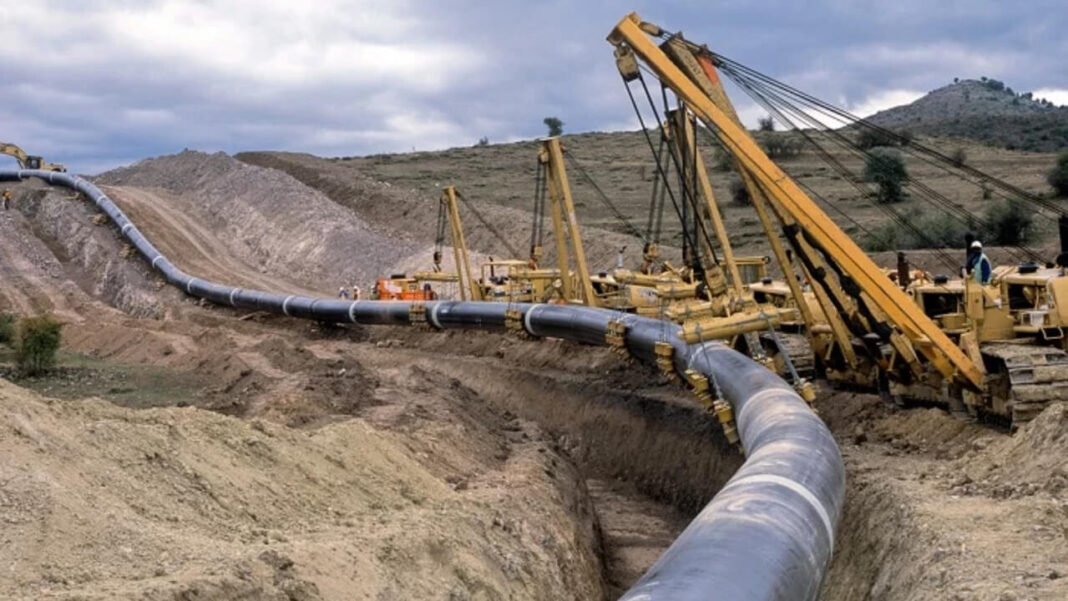
The Iraq-Turkey pipeline negotiations have entered a critical phase as Baghdad and Ankara reassess the future of their long-standing energy cooperation. With the current agreement nearing its expiration, both sides now face growing pressure to define a new framework that can address legal disputes, financial concerns, and export stability across the region.
Iraq and Turkey continue discussions over the future of the Kirkuk-Ceyhan oil route. A senior Turkish official recently signaled that Ankara does not support renewing the current deal under existing terms. Instead, Turkey prefers a revised framework before moving forward.
The current agreement governing the pipeline expires on July 27. Therefore, both governments now consider a new draft arrangement. However, the Turkish official argued that extending a disputed deal offers little value. He specifically pointed to ongoing arbitration concerns as a major obstacle.
The port of Ceyhan plays a central role in Iraq’s crude exports. Additionally, this route once served as a vital export corridor for northern oil fields. However, shipments stopped in March 2023 due to financial and legal disputes.
Meanwhile, Iraq’s southern export system also faces pressure. Regional instability and maritime disruptions have affected broader energy flows. In particular, concerns increased after tensions in the Strait of Hormuz disrupted shipping routes. As a result, Iraq continues to search for more stable export alternatives.
Previously, Turkey ended the pipeline arrangement and pushed for a renegotiation. Turkish officials also proposed expanding infrastructure into southern Iraq. This plan aimed to increase capacity and improve long-term efficiency. However, Baghdad has not yet accepted those terms.
The dispute also connects to a major international ruling. The International Chamber of Commerce in Paris found that Ankara violated a 1973 treaty. The ruling stated that Turkey allowed exports without Baghdad’s federal approval.
As a result, the court ordered Turkey to pay $1.5 billion in compensation. The case involved oil exports linked to the Kurdistan Regional Government between 2014 and 2018. Consequently, legal tensions continue to influence current negotiations.
The Iraq-Turkey pipeline negotiations remain central to both countries’ energy strategies. Furthermore, policymakers now face pressure to balance legal rulings with economic needs. Any future agreement will likely reshape regional oil trade patterns.
Despite disagreements, both sides still recognize the pipeline’s strategic importance. Therefore, officials continue exploring options to restore flows under new conditions. The outcome will significantly impact export revenue and regional cooperation.
Ultimately, the Iraq-Turkey pipeline negotiations highlight how energy infrastructure depends on both politics and law. In addition, the situation shows how long-standing disputes can reshape global supply routes.