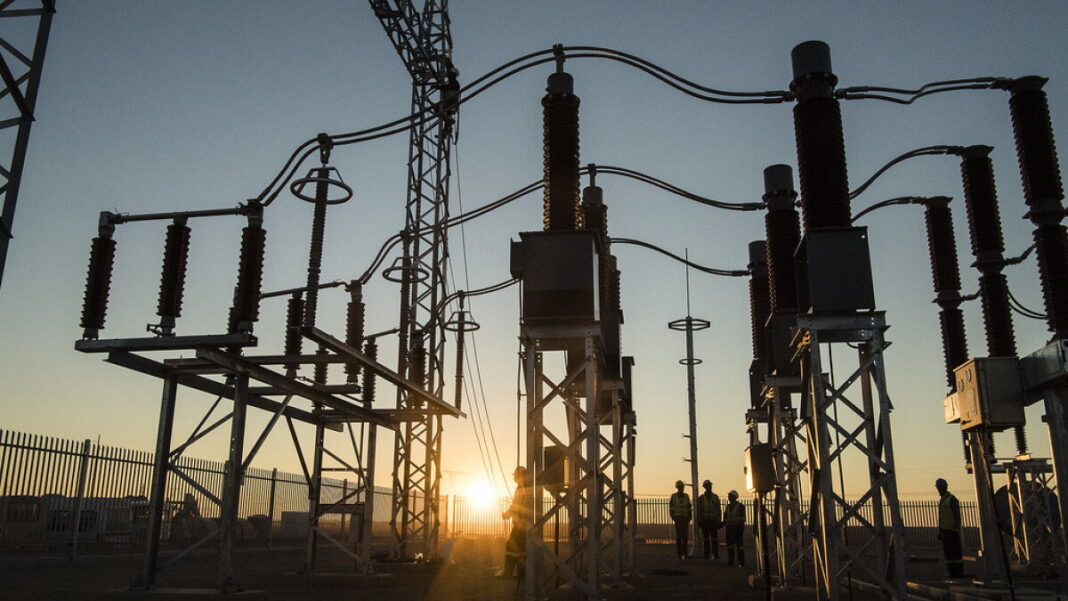
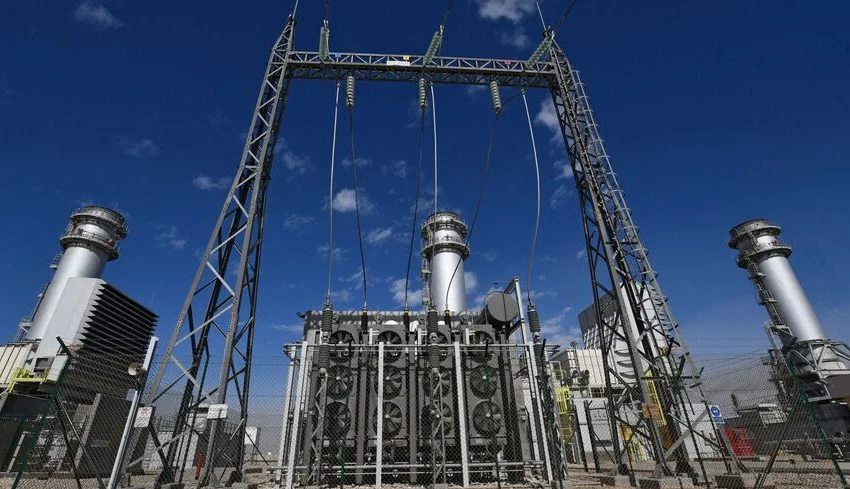
Iraq’s electricity sector is facing mounting pressure as available power generation remains well below expected summer demand, raising concerns over prolonged outages across the country.
The Iraq electricity crisis of 2026 has entered a critical phase. Although authorities have increased production, the current supply still cannot meet the needs of millions of consumers during the hottest months of the year.
The Iraqi Ministry of Electricity confirmed that the country’s generation capacity currently stands at around 22,000 megawatts.
Earlier this year, the ministry announced plans to produce 30,000 megawatts during the summer season. However, even that target falls significantly short of projected peak demand, which officials estimate at nearly 55,000 megawatts.
As a result, Iraq continues to face a substantial electricity deficit.
The Iraq electricity crisis 2026 means many provinces will likely experience fluctuating supply hours and scheduled power cuts throughout the summer.
Electricity Ministry spokesperson Ahmed Musa said infrastructure projects aimed at expanding production capacity remain under construction. Therefore, officials cannot rely on those initiatives to provide immediate relief.
Meanwhile, existing power plants cannot generate enough electricity to bridge the widening gap between supply and demand.
Iraq also remains heavily dependent on imported Iranian gas to operate many of its generating stations.
However, Iranian gas flows have repeatedly declined due to maintenance work and unresolved payment issues. Consequently, Iraq has lost significant portions of its electricity output on several occasions.
The Iraq electricity crisis of 2026 worsened further after regional tensions disrupted energy supplies.
Earlier in April, the Ministry of Electricity announced that the conflict involving the United States, Israel, and Iran had sharply reduced Iranian gas deliveries.
According to ministry figures, the decline cut Iraq’s electricity generation by approximately 3,500 megawatts.
At the same time, Iraq’s gas imports from Iran dropped dramatically. Daily imports fell to around five million cubic meters from roughly 19 million cubic meters previously.
The decline has alarmed energy officials because Iraq requires more than 30 million cubic meters of gas each day to support its power network.
Consequently, the reduced imports have intensified pressure on an already strained electricity system.
The Iraq electricity crisis of 2026 has also reignited debate over the country’s long-term energy strategy.
Analysts argue that Iraq must accelerate investment in domestic gas production and modernize its electricity infrastructure. In addition, they say the country needs to reduce its dependence on external energy sources.
Without major reforms, experts warn that seasonal power shortages could continue to disrupt daily life and economic activity.
Ultimately, the Iraq electricity crisis 2026 underscores the urgent need for structural solutions. Until Iraq expands generation capacity and secures stable fuel supplies, millions of citizens will likely continue facing recurring blackouts during periods of peak demand.