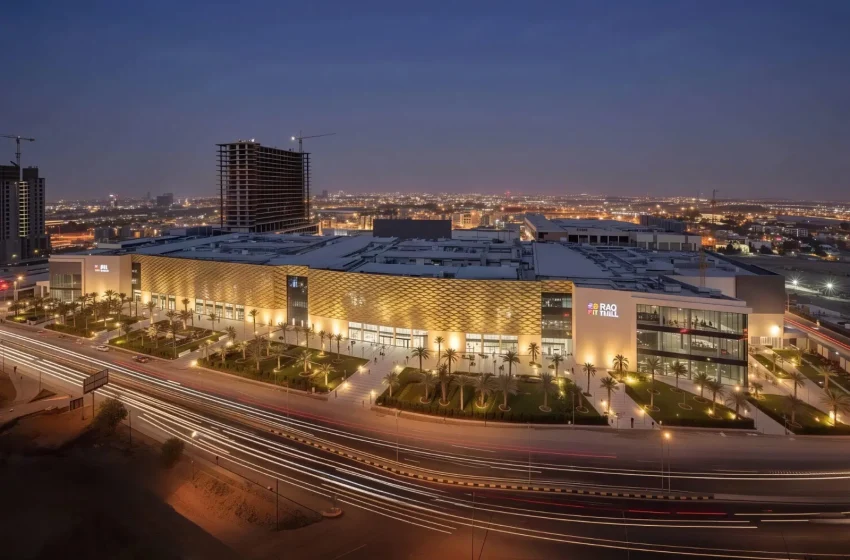
Baghdad’s Iraq Mall faces a serious operational crisis that could force the commercial complex to close within the next 48 hours, placing thousands of jobs and businesses at risk.
The Iraq Mall shutdown threat has raised concerns among investors, employees, and shop owners across the capital. Moreover, the crisis highlights the wider challenges facing Iraq’s business environment.
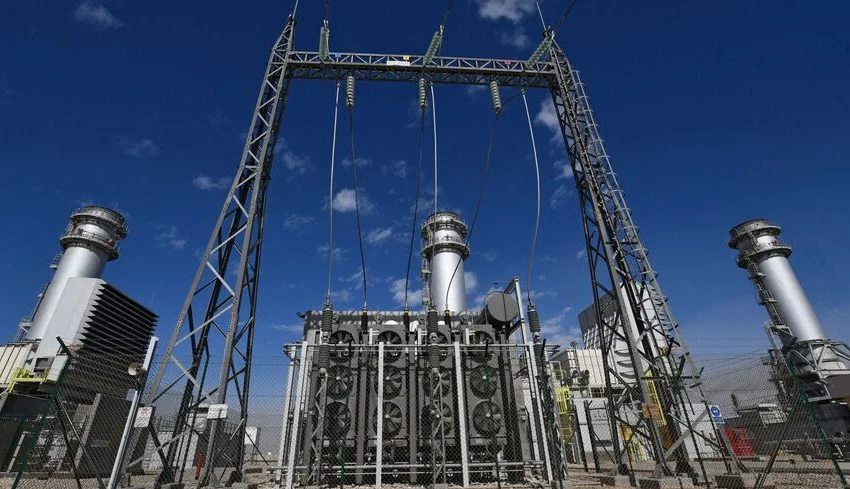
According to the mall’s management, persistent electricity shortages have pushed the project to the brink of closure. At the same time, bureaucratic delays have prevented authorities from installing dedicated electrical transformers needed to stabilize power supplies.
Although the administration completed all import procedures, the transformers remain unused despite arriving at Iraqi ports some time ago.
As a result, Iraq Mall continues to rely entirely on alternative power sources to maintain daily operations.
The Iraq Mall shutdown threat has also created a heavy financial burden. The mall’s owner said management spends around 50 million Iraqi dinars each day to keep the complex operating.
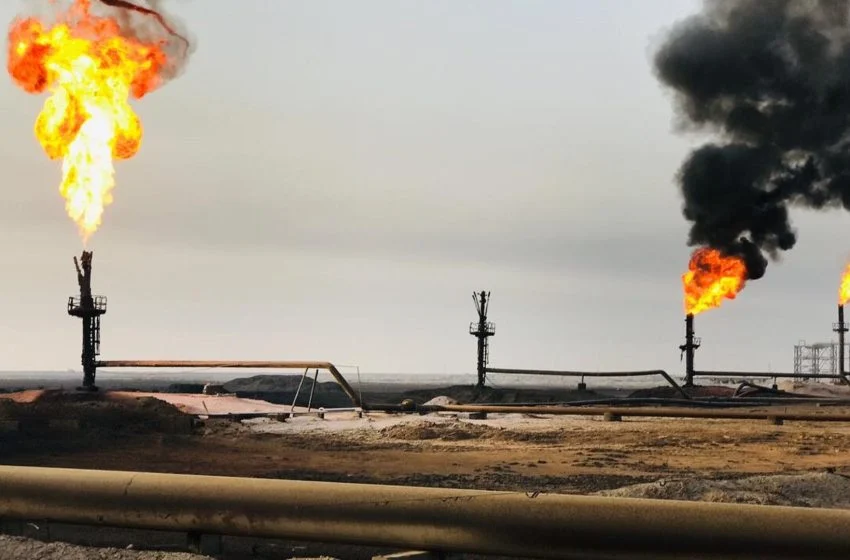
Most of these costs go toward purchasing diesel fuel from informal markets to run large backup generators. Consequently, the emergency solution has become increasingly difficult to sustain.
In addition, repeated power fluctuations have disrupted commercial activities and damaged confidence in the investment climate.
Despite obtaining the required approvals to import the transformers, the project has not moved forward. Mall officials blame slow administrative procedures and lengthy correspondence between the Ministry of Electricity and relevant municipal departments.
According to the owner, bureaucratic obstacles continue to delay installation even though the equipment is ready for use.
The Iraq Mall shutdown threat extends beyond investor losses. Management warned that a complete closure could directly affect nearly 20,000 families who depend on the complex for their income.
These include employees working inside the mall, shop owners, suppliers, maintenance teams, transport workers, and service providers connected to the project.
Therefore, officials fear that the social and economic consequences could spread well beyond the shopping center itself.
Mall administrators and tenant businesses have now appealed directly to the prime minister for urgent intervention.
They called on the government to instruct technical teams at the Ministry of Electricity to accelerate the installation process and remove routine administrative barriers.
Furthermore, they argued that swift action could save one of Baghdad’s largest commercial investments and preserve thousands of jobs.
The Iraq Mall shutdown threat has reignited debate about the impact of bureaucracy and infrastructure shortcomings on private investment in Iraq.
Business leaders frequently cite electricity shortages and administrative delays as major obstacles to economic growth.
Ultimately, the fate of Iraq Mall may depend on how quickly authorities respond. For thousands of workers and their families, immediate action could mean the difference between continued employment and sudden financial hardship.