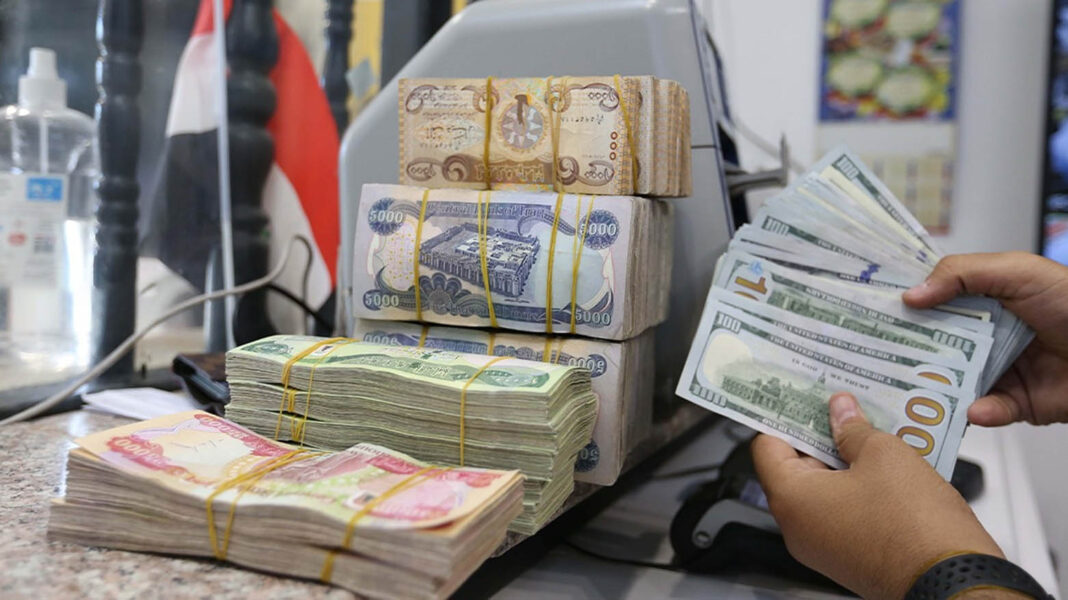
The U.S. dollar climbed against the Iraqi dinar in Baghdad and Erbil. The move added fresh pressure to Iraq’s currency market. Moreover, traders reported higher rates across major exchange areas.
The Iraqi dollar rate reached 1,567 dinars in Baghdad’s main exchange markets. This marked an increase from the previous trading level of 1,559 dinars. Therefore, the rise drew attention from traders, businesses, and consumers.
Currency exchange shops in Baghdad also recorded higher selling and buying ranges. Traders offered the dollar between 1,572.5 dinars and 1,562.5 dinars. As a result, customers faced wider price differences across local shops.
In Erbil, the dollar also moved higher against the dinar. Traders quoted rates between 1,566 dinars and 1,565 dinars. Meanwhile, market watchers linked the rise to uncertainty and speculation.
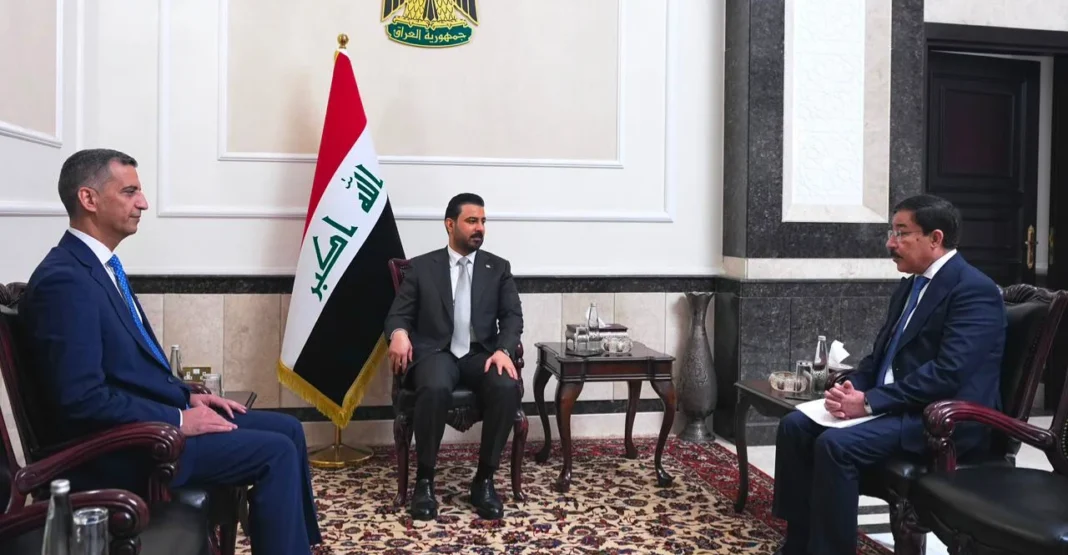
Analysts said local demand helped push the dollar upward. They also pointed to worries inside the financial market. In addition, leadership changes at the Central Bank of Iraq increased market attention.
The official exchange rate remains lower than parallel market prices. The Central Bank set the official rate at 1,300 dinars per dollar. However, local markets continue to trade at much higher levels.
This gap creates concern for businesses that rely on imported goods. Many traders need dollars to pay suppliers. Therefore, higher market rates can raise import costs.
Consumers may also feel the pressure from currency changes. When the dollar rises, imported products can become more expensive. Moreover, price increases can affect food, electronics, clothes, and household goods.
The Iraqi dollar rate remains a key signal for the wider economy. Many Iraqis follow the exchange rate daily. They view it as a measure of market confidence and financial stability.
Currency volatility can also affect small businesses. Shop owners often adjust prices when the dollar changes. Consequently, unstable rates make planning harder for merchants and customers.
The rise also comes during a sensitive period for Iraq’s banking sector. Financial authorities continue efforts to improve compliance and strengthen control over dollar flows. Furthermore, they want to reduce pressure on the parallel market.
Iraq has faced exchange-rate gaps before. In past periods, parallel market prices moved far above official levels. Therefore, authorities continue to monitor currency traders and banking channels.
The Central Bank wants to support the dinar and improve dollar access through formal channels. However, market demand can still move quickly during uncertainty. As a result, traders often react fast to rumors and policy changes.
The Iraqi dollar rate also affects investor confidence. Stable currency conditions help companies plan costs and contracts. Meanwhile, sharp movements can delay investment decisions.
For now, exchange markets in Baghdad and Erbil remain under close watch. Traders expect continued movement if speculation grows. Therefore, currency stability will remain a major financial concern.