Iraq has started preparing its next federal budget after skipping the current fiscal plan. The Ministry of Finance now leads the drafting process under heavy political and economic pressure. Government leaders want a new framework that responds to falling oil revenue. Therefore, the Iraq budget reset comes at a sensitive moment for the country.
Political delays have shaped the government’s financial planning. Prime Minister Ali al-Zaidi still faces pressure from unresolved political files. In addition, disputes over government formation slowed budget work. As a result, officials shifted attention toward a new financial roadmap.
The government now wants a different type of budget. Officials no longer want a traditional item-by-item spending plan. Instead, they want an economic program that supports development. This approach aims to connect public spending with wider national goals.
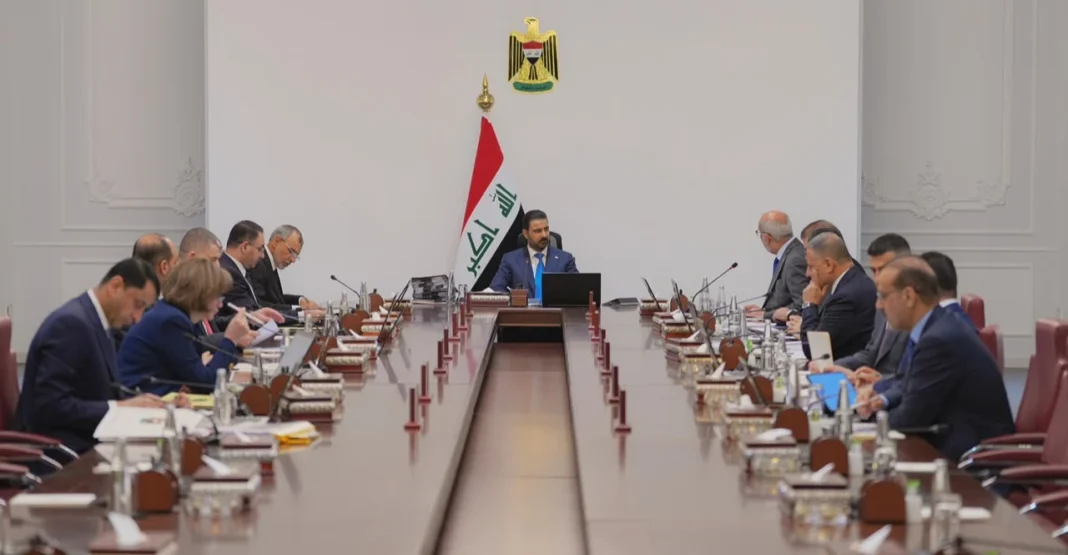
Mazhar Saleh, the prime minister’s financial adviser, explained the next steps. He said officials will send the draft to the Ministerial Council for Economic Affairs. After that, the Cabinet will review the plan. Then Parliament will receive it for debate and approval.
Moreover, the new structure reflects talks with the World Bank. These discussions focused on turning the budget into a development tool. The government wants to spend to support reform, growth, and stability. This shift could change how Iraq manages public money.
Oil revenue problems have increased pressure on the budget process. Iraq depends heavily on crude exports to finance state spending. However, regional disruptions have reduced export flows and weakened revenue expectations. Therefore, officials now want stronger non-oil revenue collection.
The Iraq budget reset also targets large financial gaps. Government experts want to reduce the deficit and control public spending. They also want to address hidden unemployment across state institutions. These problems have placed long-term pressure on Iraq’s finances.
At the same time, officials want to protect social support. The government plans to maintain salaries and safeguard vulnerable groups. This balance will create a difficult test for policymakers. They must cut waste without hurting basic public needs.
Furthermore, the budget may push ministries to improve revenue collection. Authorities could focus more on taxes, customs, fees, and service payments. These measures could help reduce dependence on oil income. However, they may also require stronger enforcement and clearer systems.
The government also wants to limit unnecessary spending. Officials may review projects, payroll costs, and administrative expenses. In addition, they may seek better control over public contracts. These steps could improve financial discipline if leaders apply them seriously.
However, Parliament could still shape the final version. Political blocs often push for spending that serves their regions or supporters. Therefore, budget talks may create new disputes inside the chamber. Still, financial pressure may force lawmakers to accept tougher reforms.
The Iraq budget reset could mark a turning point for public finance. It links spending plans with reform, development, and revenue diversification. It also reflects the pressure created by weaker oil income. As a result, the next budget may look very different from past plans.