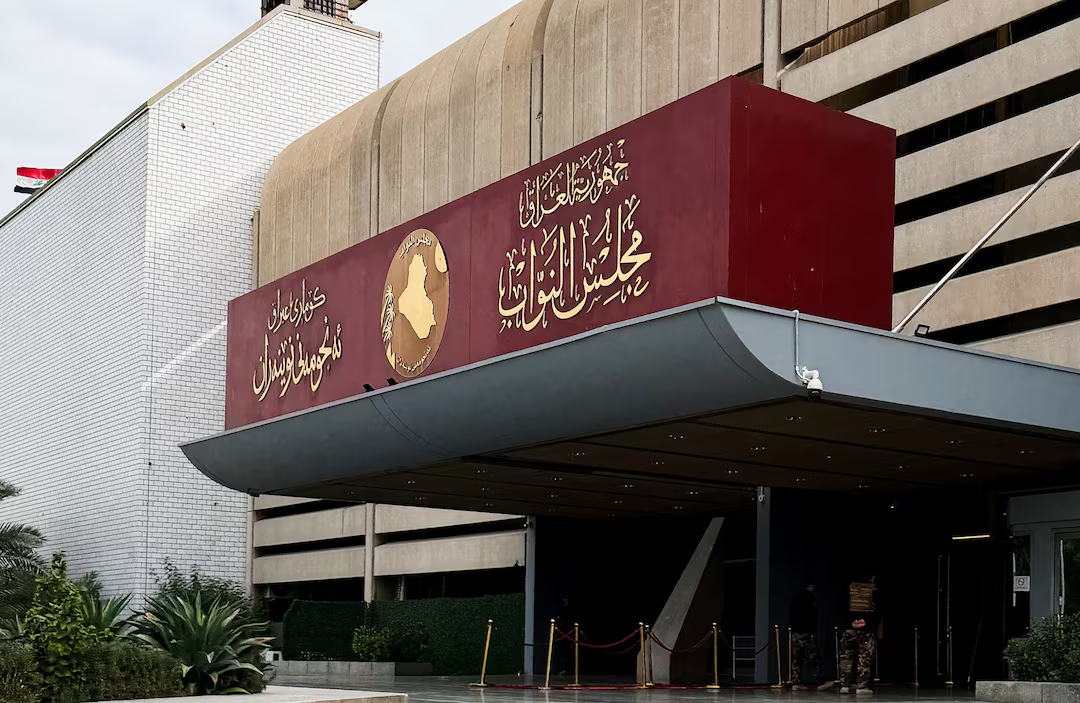
Iraq’s Council of Representatives opened its first session of the second legislative term. Parliament Speaker Haibet Al-Halbousi chaired the session and launched the chamber’s new agenda. Lawmakers returned with pressure to address delayed bills and unfinished political files. Therefore, the Iraqi parliament’s push now begins with major expectations.
The new term comes after a slow first legislative period. Lawmakers approved a few major laws during that stage. Political disputes over cabinet formation dominated the chamber’s early work. As a result, several strategic bills stayed outside the voting schedule.
Meanwhile, Parliament now faces a heavy list of pending legislation. These files include federal oil revenue distribution, electoral reform, and public finance management. Political blocs delayed some of these bills for months. However, leaders now say they want to move key files forward.
Al-Halbousi opened the session for the sixth electoral cycle’s new legislative phase. He directed lawmakers toward renewed discussions on priority bills. Moreover, parliamentary leaders discussed how to place important laws on future agendas. This step could help reduce the long legislative backlog.
In addition, political blocs reached an understanding on several important proposals. A parliamentary source said leaders agreed on ways to organize the next sessions. They also discussed the order of major bills that need debate. Therefore, the Iraqi parliament push could shape the chamber’s coming priorities.
The delayed cabinet file also remains a central issue. Prime Minister Ali al-Zaidi still needs to complete nine remaining Cabinet posts. Bloc leaders gave him more time to name his choices. After that, Parliament plans to hold another session to finish the vote.
However, the delay continues to affect government work. Ministries without confirmed leadership can slow decisions and weaken policy planning. This issue also creates pressure on the new prime minister. Therefore, Zaidi must balance political demands while completing his Cabinet.
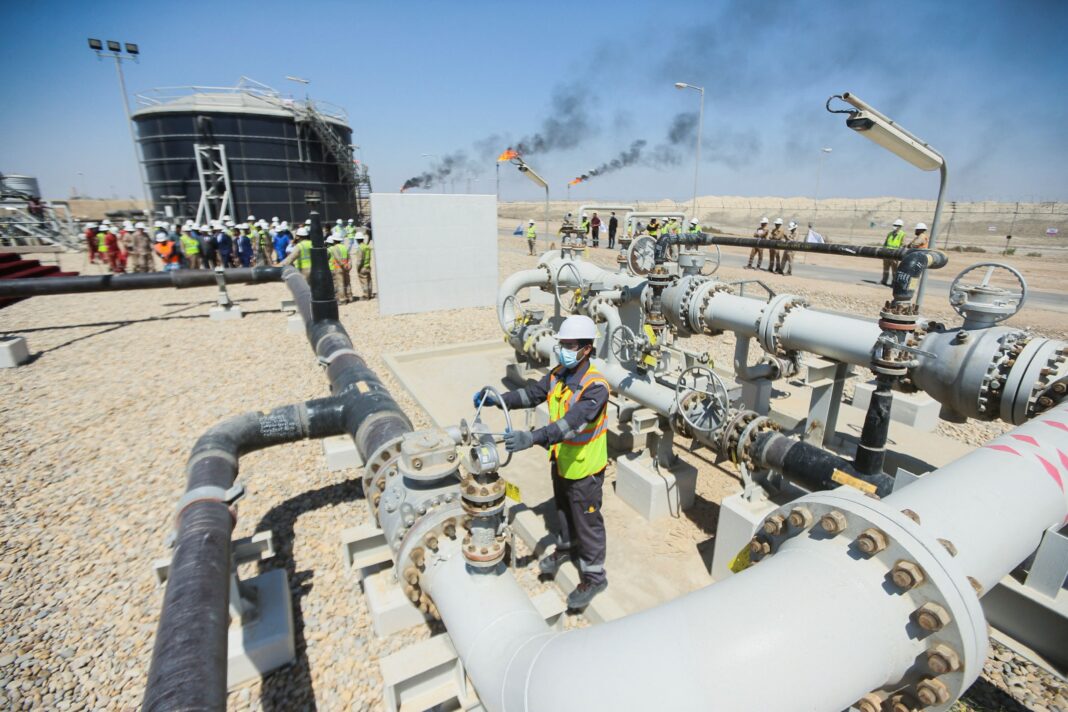
Furthermore, the stalled oil revenue law carries major importance for Iraq. The bill could affect relations between Baghdad and regional authorities. It could also shape future revenue sharing and budget planning. Because of that, lawmakers face strong pressure to reach a deal.
Public finance management also remains a key file. Iraq needs clearer rules for spending, accountability, and budget control. Lawmakers can use the new term to strengthen financial oversight. In turn, this could improve trust in state institutions.
Electoral reform also stands as another sensitive issue. Political blocs often disagree over changes to voting rules. However, reform supporters argue that clearer rules can improve representation. They also say reforms can reduce disputes after future elections.
The new legislative term gives Parliament another chance to break the deadlock. Lawmakers now need cooperation across blocs to pass major laws. They also need faster progress on the Cabinet lineup. As a result, the Iraqi parliament’s push will test the strength of political agreements.