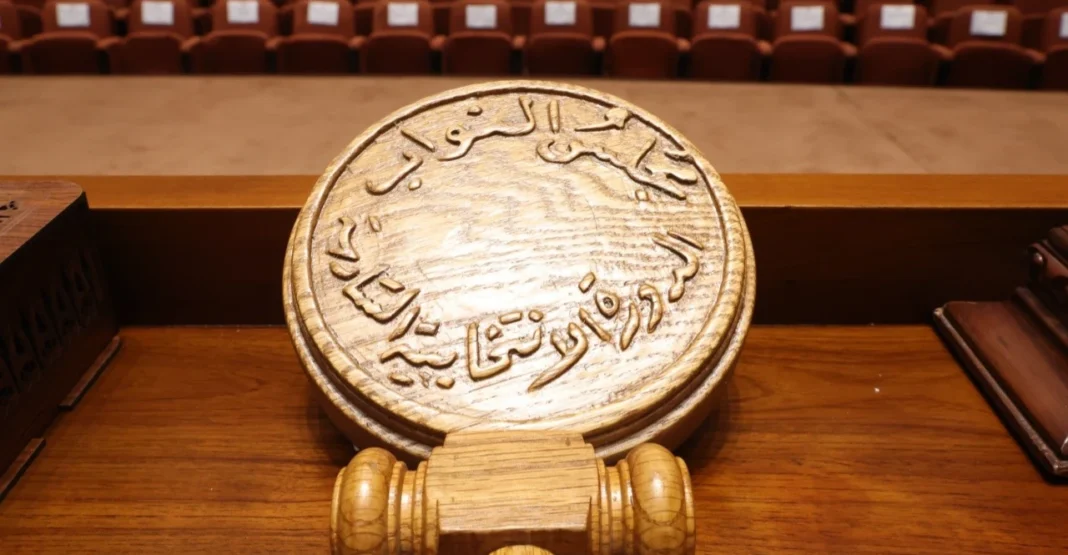
Political tensions continue to slow the Iraq government formation 2026 process as major factions fail to agree on cabinet positions. Iraqi Parliament Deputy Speaker Farhad Atrushi confirmed on Tuesday that parliament still has no confirmed date for a session to approve the new government.
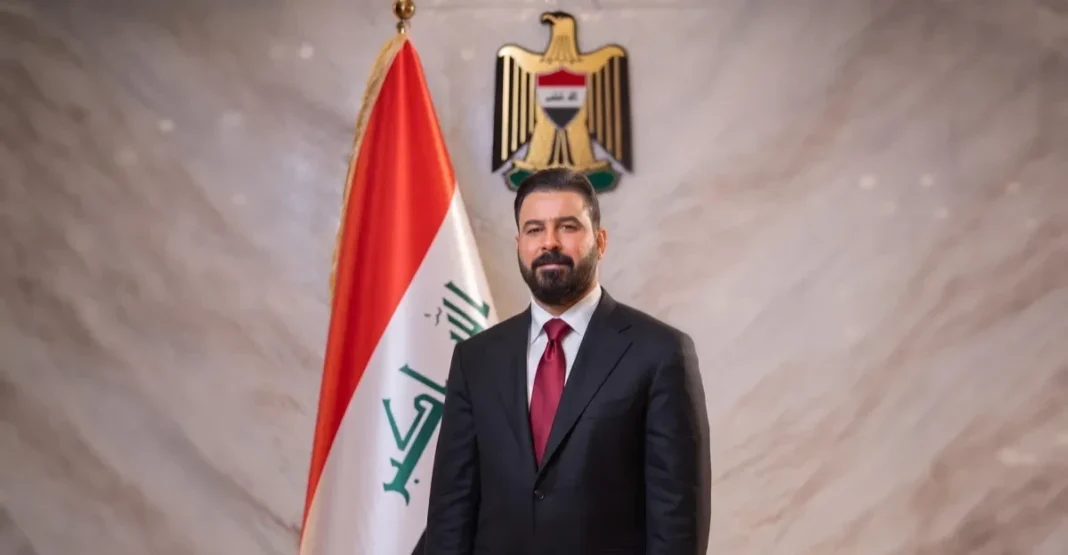
Atrushi spoke to reporters inside the Parliament building in Baghdad. He said Prime Minister-designate Ali al-Zaidi has not yet submitted an official request for a confidence vote session. Because of that, uncertainty continues to surround the government formation timeline.
The delay comes as political negotiations remain locked between Shiite, Sunni, and Kurdish factions. Disputes over sovereign and security ministries continue to block final agreements. As a result, al-Zaidi has not completed his cabinet lineup.
Last week, al-Zaidi presented a 14-point ministerial program to Parliament Speaker Haibet al-Halbousi. Political leaders expected parliament to move toward a confidence vote soon afterward. However, disagreements inside the ruling alliances prevented further progress.
Under Article 76 of Iraq’s constitution, the prime minister-designate must form a government within 30 days of nomination. Al-Zaidi received his nomination on April 27. Therefore, political pressure continues to increase as the constitutional deadline approaches.
The 2026 Iraqi government formation crisis has intensified because of divisions inside the Shiite Coordination Framework. The alliance remains the largest parliamentary bloc and originally nominated al-Zaidi for the position.
A lawmaker from the Badr bloc said disputes over ministry allocations continue to delay agreements. According to political sources, negotiations focus heavily on sovereign and security portfolios. These ministries remain politically sensitive because they carry major influence inside the government.
At the same time, Kurdish leaders raised concerns about outside influence on the process. Shakhawan Abdullah, head of the Kurdistan Democratic Party bloc, linked the possible delay to regional and international interference.
Sunni political factions also continue internal negotiations. Several blocs reportedly submitted competing lists of candidates for ministerial positions in the next cabinet. Consequently, discussions remain complicated across multiple political fronts.
The Iraqi government formation process of 2026 now faces a critical stage. Political leaders continue negotiations behind closed doors while parliament waits for a finalized cabinet list.
If disagreements continue, Iraq could face deeper political paralysis in the coming weeks. Many observers now watch closely for signs of compromise before constitutional deadlines expire.