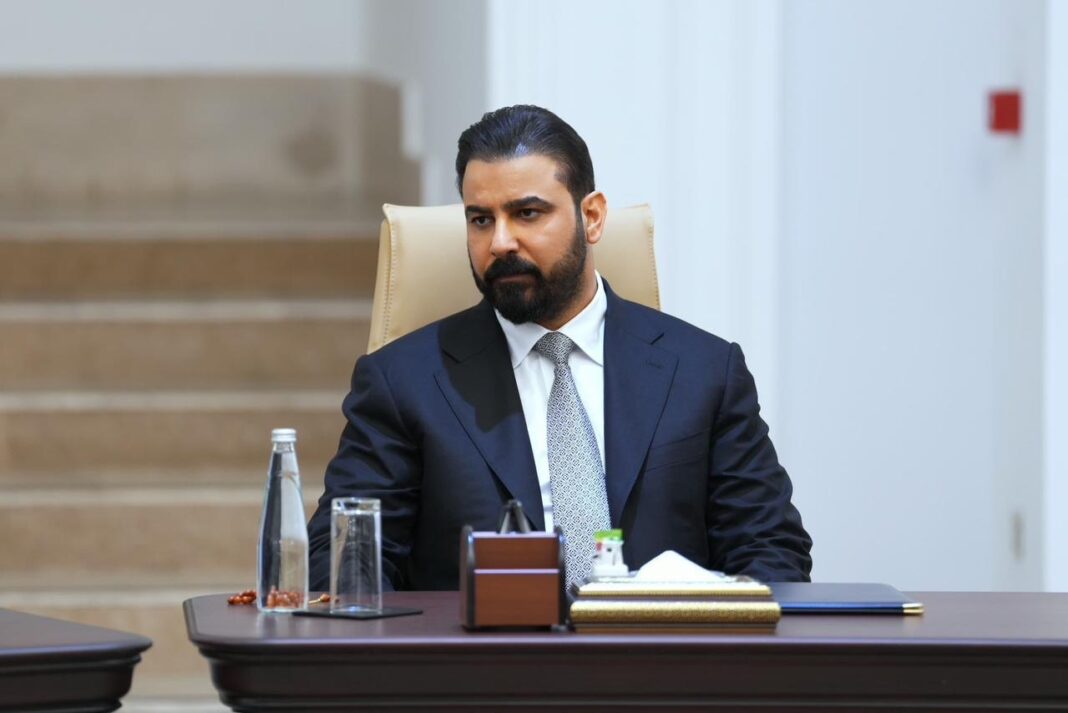
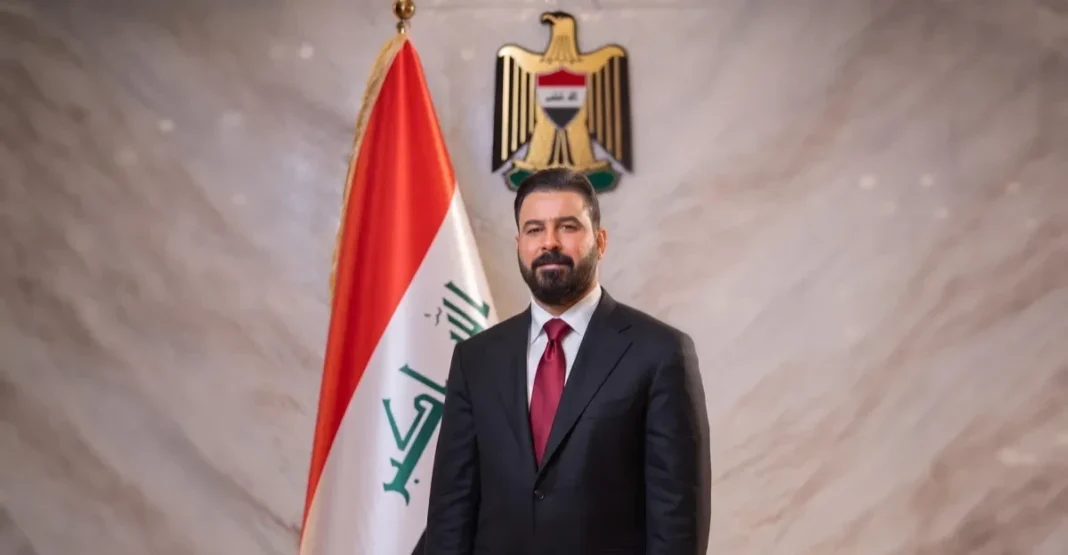
An analysis of Iraq’s incoming leadership in 2026 suggests the country is unlikely to see major structural reforms. The Iraq leadership 2026 outlook highlights concerns over corruption, armed factions, and economic instability. It also questions whether Prime Minister-designate Ali Al-Zaidi can drive meaningful change.
The assessment comes from a report titled “What Al-Zaidi Will Not Bring to Iraq,” published by the Gulf International Forum. The report argues that Al-Zaidi’s rise does not represent a deep political shift. Instead, it describes his appointment as a product of Iraq’s long-standing political system.
According to the analysis, Al-Zaidi appears more as a consensus manager than a reform-driven leader. The report suggests that Iraq continues to struggle with entrenched political structures. As a result, leadership changes often fail to produce real systemic reform.
The Iraq leadership 2026 situation is shaped by multiple unresolved challenges. These include widespread corruption, the influence of armed factions, and ongoing economic instability. The report argues that these issues require strong reform leadership. However, it claims Iraq is instead producing compromise candidates.
The analysis also highlights the political transition from Nouri al-Maliki to Al-Zaidi. It notes that the change may appear significant to external observers. However, it argues that internal political dynamics remain largely unchanged.
Furthermore, the report describes Iraq’s system as dysfunctional. It suggests that repeated political compromises weaken state institutions over time. Consequently, leadership selection often prioritizes balance over reform capacity.
Al-Zaidi reportedly lacks an independent political base. He also does not have a strong party structure or personal political agenda. Because of this, the report describes him as an “ideal consensus candidate.”
The Iraq leadership 2026 analysis argues that this type of leadership reflects deeper institutional erosion. It claims that Iraq’s political system continues to produce leaders who manage conflict rather than resolve structural problems.
Ultimately, the report concludes that Iraq needs a reformer rather than a manager. However, it suggests the current political environment makes such leadership unlikely.