Baghdad’s fire response drew attention after firefighters handled two separate incidents in the capital. The first incident involved a PMF-linked facility in al-Jadriya. Meanwhile, another fire burned grass near a professional syndicate building in Al-Mansour. However, emergency crews moved quickly and limited the damage.
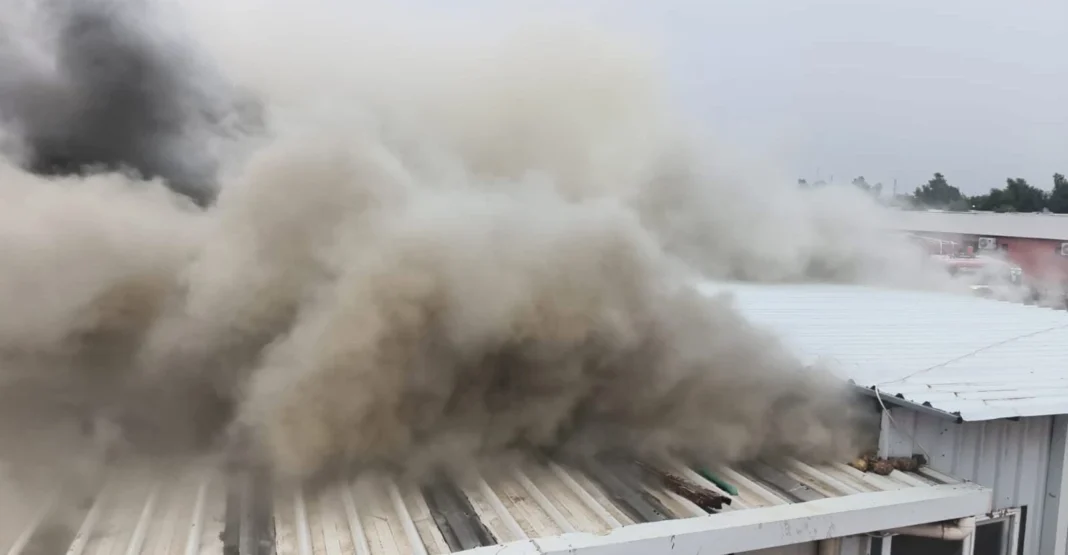
Security sources said the first fire started inside a caravan. The caravan stood on the roof of a house linked to the Popular Mobilization Forces. Civil Defense teams reached the scene and controlled the flames. As a result, the fire did not spread to nearby buildings.
One person suffered minor smoke inhalation during the incident. Emergency responders handled the case without reporting serious injuries. Moreover, crews inspected the area after containing the fire. Their fast action reduced the risk of wider damage.
The al-Jadriya incident raised concern because of the site’s connection to the PMF. However, authorities did not report major losses. They also did not announce a wider security threat. Therefore, the case appeared limited to a fire emergency.
In a separate incident, firefighters responded to a blaze in al-Mansour. The fire burned a patch of grass near the Iraqi Pharmacists Syndicate building. Crews extinguished the flames before they reached nearby structures. No injuries occurred during that incident.
Baghdad often faces fire risks during periods of heat and dry conditions. Grass fires can spread quickly near public buildings and busy roads. Therefore, emergency teams usually treat even small fires seriously. Quick containment helps protect nearby offices, homes, and vehicles.
Baghdad fire response also showed the importance of rapid Civil Defense coordination. Fire crews handled two locations without reporting major casualties. In addition, their response helped prevent panic in both districts. This result highlighted the value of early emergency reporting.
Residents in crowded neighborhoods often worry when fires start near official or security-linked sites. Such locations can increase public concern quickly. However, the available information showed no major escalation. Authorities focused on containment and safety rather than security alerts.
The incidents also placed renewed attention on rooftop structures. Caravans and temporary rooms can create fire hazards when people place them above buildings. Moreover, electrical faults, heat, and stored materials can increase those risks. Therefore, safety checks remain important across residential and official areas.
Civil Defense teams also play a key role in preventing minor fires from becoming major disasters. A fast arrival can save nearby buildings from damage. In addition, firefighters can protect people from smoke exposure. These steps matter in dense parts of Baghdad.
Overall, the two fires ended without major harm. One person suffered light smoke inhalation, while the second incident caused no casualties. Baghdad’s fire response helped stop both incidents from spreading further. Authorities may now review the causes and safety conditions.