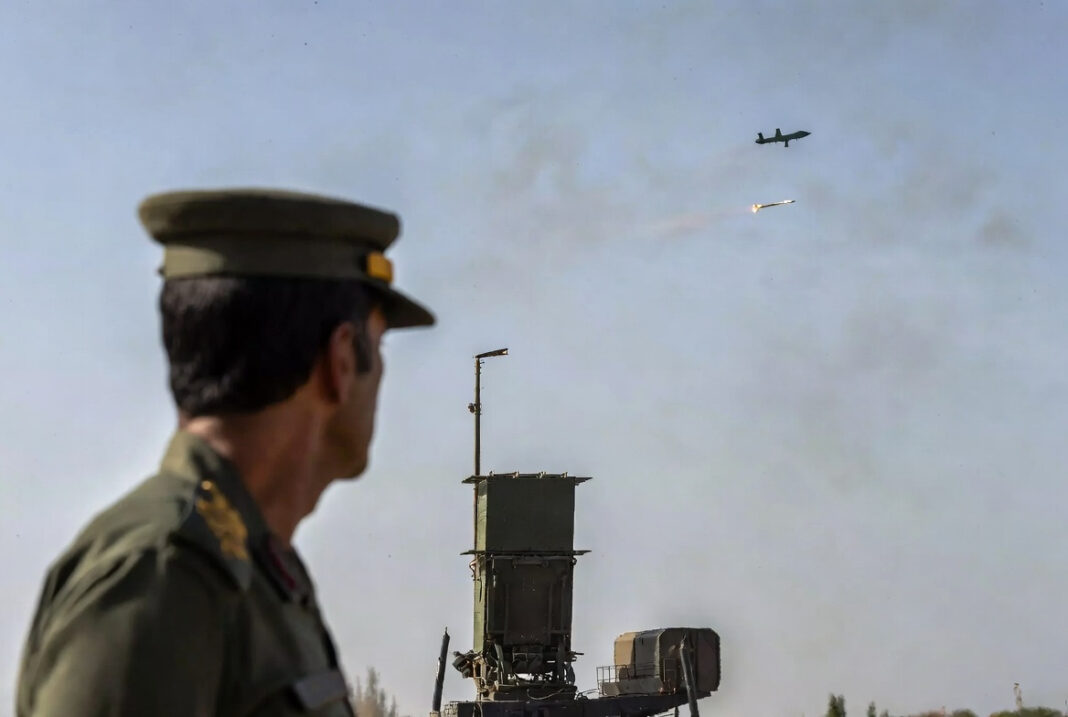
The Saudi drone interception incident unfolded on Sunday after Saudi Arabia shot down three drones entering its airspace from Iraq. Authorities said Saudi defense forces tracked and destroyed all incoming aerial threats early in the morning. Officials linked the drones to Iraqi territory but avoided naming any responsible group. The event raised concerns across the Gulf amid rising regional security tensions. This situation marks a clear escalation in cross-border aerial threats.
Saudi Defense Spokesperson Major General Turki al-Maliki stated that the kingdom reserves the right to respond at the appropriate time and place. He added that Saudi Arabia will take all necessary operational measures to protect sovereignty and security. Officials confirmed an interception occurred after drones crossed from Iraq into Saudi airspace. Authorities did not disclose intended targets or launch actors. The Saudi drone interception incident highlights growing pressure on regional defense systems.
Gulf states remain on high alert after the recent escalation involving Iran and allied forces. Missile and drone strikes previously targeted Saudi Arabia, the United Arab Emirates, and Qatar during the regional conflict. Security analysts warn that spillover risks continue to pose a threat to regional stability. Governments across the Gulf strengthened air defense readiness after repeated incidents. These developments increase coordination demands among regional partners.
The United Arab Emirates also reported a separate drone attack on Sunday near the Barakah Nuclear Power Plant. Consequently, authorities confirmed that a fire broke out at the site. However, no injuries occurred during the incident. Moreover, officials stated that radiation safety levels remained stable throughout the event. As a result, the incident increased pressure on regional security coordination efforts. Additionally, authorities continue to closely monitor potential escalation risks across critical infrastructure sites.
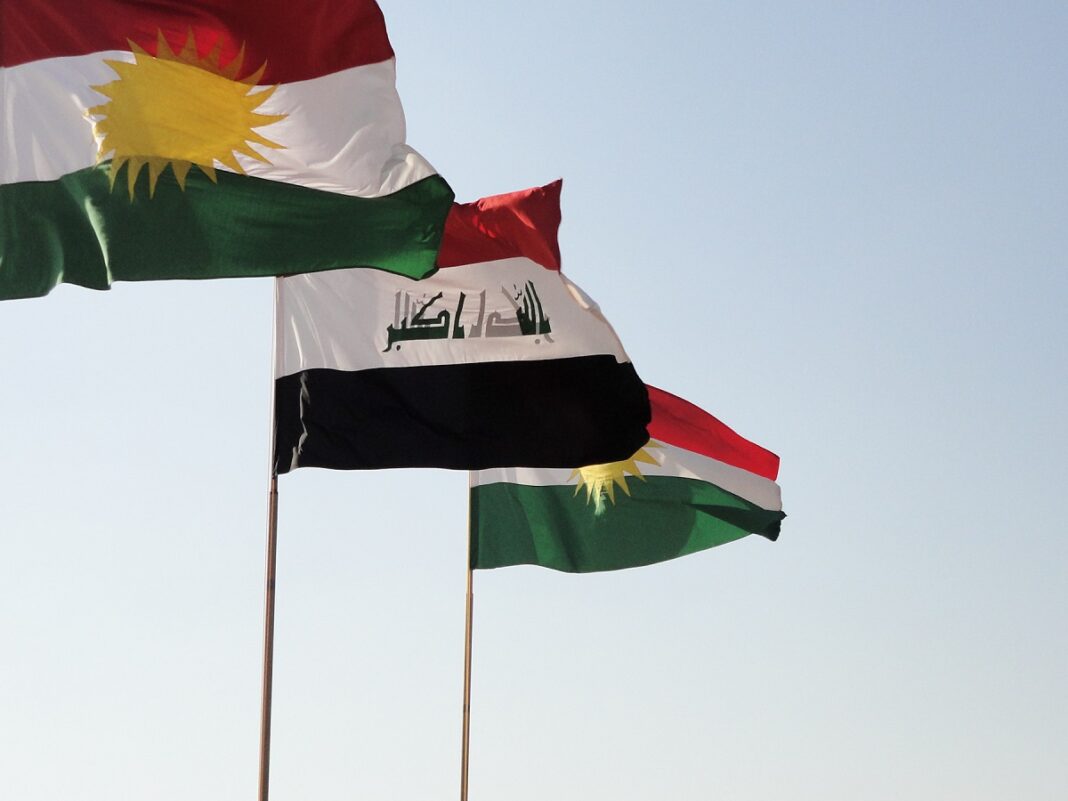
Meanwhile, Iraq faces increasing scrutiny over drone and missile launches originating from its territory. In many cases, officials link these attacks to Iran-aligned armed groups operating within Iraq. Nevertheless, Baghdad consistently denies any direct involvement in cross-border operations. Furthermore, international partners continue to urge stronger control over armed factions to prevent further escalation. Consequently, the security situation remains complex and continues to challenge diplomatic and military coordination across the region.
Overall, the Saudi drone interception incident highlights growing challenges in Gulf air defense systems. Additionally, analysts believe the Saudi drone interception incident could shape future regional security cooperation strategies. Therefore, continued tensions suggest that greater coordination will likely define Gulf responses in the coming months.