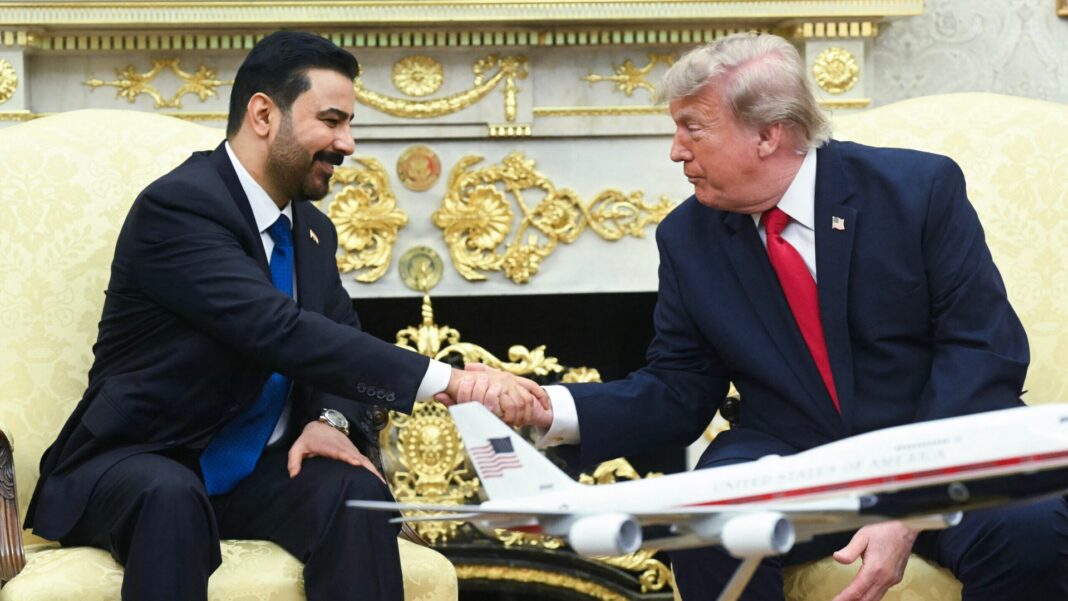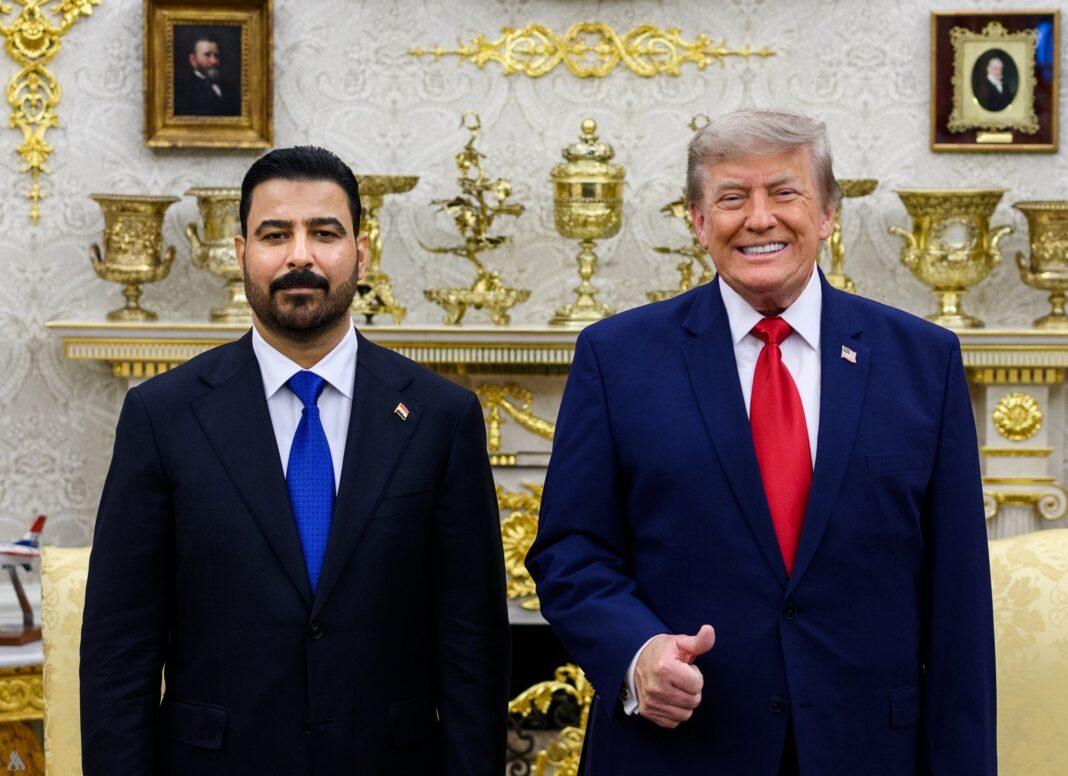
The Iraq militia disarmament deadline remains fixed for September 30, Prime Minister Ali Al-Zaidi said on Tuesday. He reaffirmed his government’s commitment during his first White House meeting with U.S. President Donald Trump.
Al-Zaidi said Baghdad will no longer accept weapons outside official state institutions after the deadline. Moreover, he stressed that Iraqi security forces can protect the country’s borders and preserve national security.
The meeting marked Al-Zaidi’s first overseas visit since becoming prime minister in May. His government emerged after months of political deadlock and difficult negotiations between Iraq’s main political blocs.
Since taking office, Al-Zaidi has repeatedly promised to reshape Baghdad’s relationship with Washington. In particular, he wants economic and strategic cooperation to play a greater role.
Trump described the White House discussions as positive and highlighted his strong relationship with the Iraqi leader. Additionally, Trump invited Al-Zaidi to an unplanned lunch following their talks.
However, the issue of armed factions remained central to the discussions between both governments.
Washington has repeatedly urged Iraq to strengthen government authority over armed factions. U.S. officials particularly remain concerned about groups with close political or military connections to Iran.
Meanwhile, Al-Zaidi said his government will cooperate with factions that voluntarily surrender their weapons. However, he made clear that Baghdad will enforce state authority after September 30.
The prime minister said Iraq’s political decisions belong exclusively to the Iraqi people. Furthermore, he expressed confidence in the country’s security institutions and their ability to defend Iraq.
After the deadline, Al-Zaidi said no organization outside the state can continue carrying weapons. Therefore, the government faces growing pressure to turn its promises into measurable action.
The Iraq militia disarmament deadline also coincides with the planned withdrawal of the U.S.-led coalition from the country.
Consequently, Baghdad argues that armed factions will lose their justification for maintaining independent military structures.
Several armed groups with political representation have already indicated their willingness to discuss disarmament. Nevertheless, other powerful factions could resist government efforts to remove their weapons.
That resistance could create major political and security challenges for Al-Zaidi’s government. Moreover, the short timeline adds further pressure on Baghdad to deliver visible progress.
The United States has linked deeper cooperation with Iraq to progress on armed groups and state sovereignty. Washington also opposes government influence from factions closely aligned with Iran.
U.S. officials want Baghdad to prevent armed groups from launching attacks from Iraqi territory. Furthermore, they expect Iraqi authorities to demonstrate progress through concrete and measurable results.
However, disarming deeply established factions could prove difficult within the government’s limited timeline. Many groups maintain political networks, military capabilities, and significant influence inside Iraq.
Therefore, Al-Zaidi must balance domestic political interests with growing international pressure. He must also avoid creating new instability while strengthening the authority of state institutions.
The prime minister’s position signals a tougher government approach toward weapons outside official control. Still, implementing the policy will test Baghdad’s political strength and security capabilities.
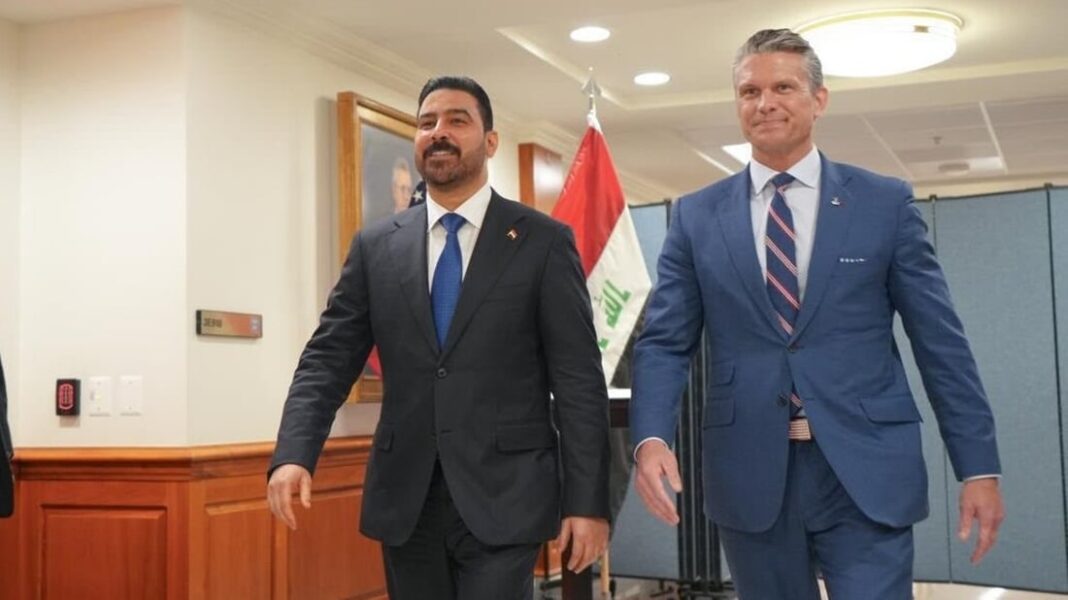
Following his White House meeting, Al-Zaidi continued his official discussions at the Pentagon. There, American defence officials again emphasized Iraqi sovereignty and government control over weapons.
U.S. Defence Secretary Pete Hegseth said Iraq must assert its sovereignty to deepen cooperation with Washington. He also called for the disarmament of Iran-aligned armed factions operating inside the country.
Meanwhile, Baghdad appears determined to present itself as an independent regional actor. Al-Zaidi has repeatedly stressed that Iraqi decisions must remain in Iraqi hands.
The Iraq militia disarmament deadline could now become one of the biggest tests of his young government.
Success could strengthen state authority and improve Baghdad’s relations with Washington. However, resistance from powerful armed groups could complicate the government’s plans.
As September 30 approaches, attention will focus on whether factions surrender their weapons voluntarily. Iraq’s government must also prove it can enforce its policy across the country.
Ultimately, Al-Zaidi’s pledge represents a major commitment to strengthening Iraqi sovereignty. The coming months will determine whether Baghdad can transform that promise into lasting political and security change.