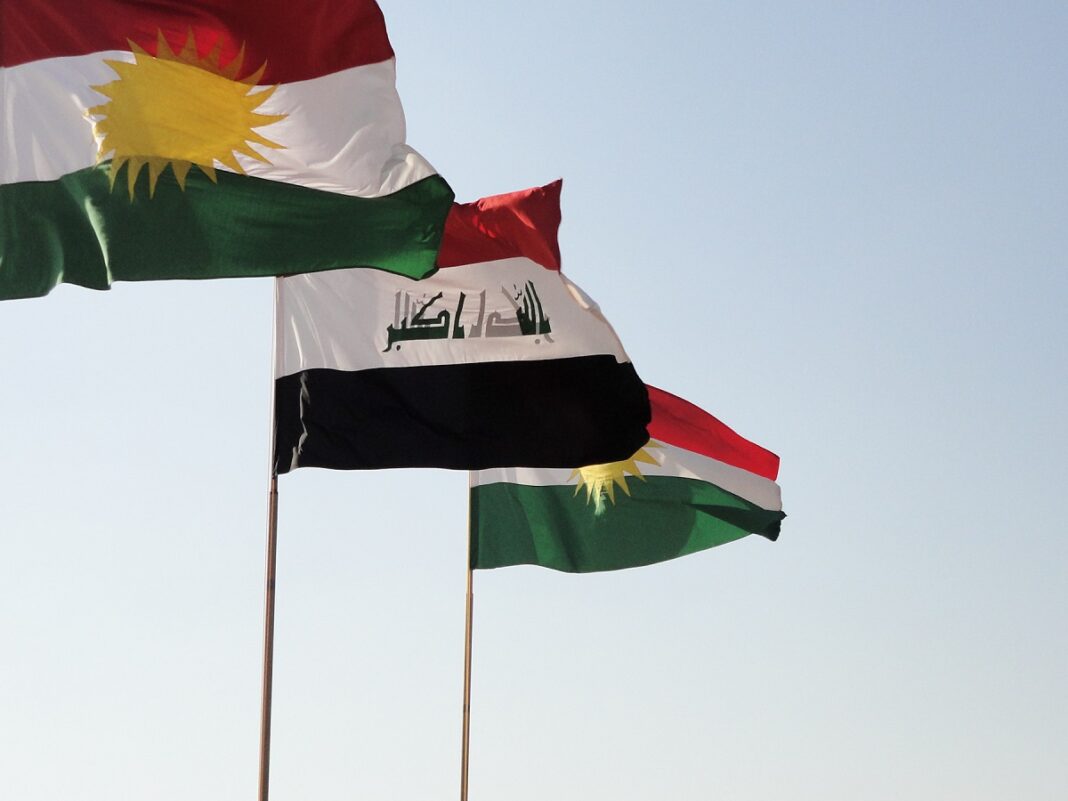
Iraq’s Foreign Minister Fuad Hussein signaled optimism about Baghdad-Erbil relations on Sunday. He said the newly formed cabinet could improve cooperation between Baghdad and the Kurdistan Region. He added that the political stage now prioritizes stability and service delivery. Moreover, he highlighted a shift toward practical governance. His remarks came during a ceremony marking his reappointment.
Hussein told Rudaw journalist Ziad Ismael that Baghdad-Erbil relations will improve under the new government. He emphasized shared responsibility among political actors. He also said all sides now focus on government success. Furthermore, he described the period as different from earlier disputes. Hussein belongs to the Kurdistan Democratic Party.
The new Iraqi government under Prime Minister Ali al-Zaidi continues to be formed after the parliamentary confidence vote. Lawmakers approved the cabinet program along with fourteen ministers. However, they postponed votes on nine major portfolios. These include defense and interior ministries. Political leaders continue negotiations over remaining posts.
Kurdistan Region President Nechirvan Barzani welcomed the new phase of cooperation. He pledged readiness to work with the federal government and stressed constitutional balance and partnership.
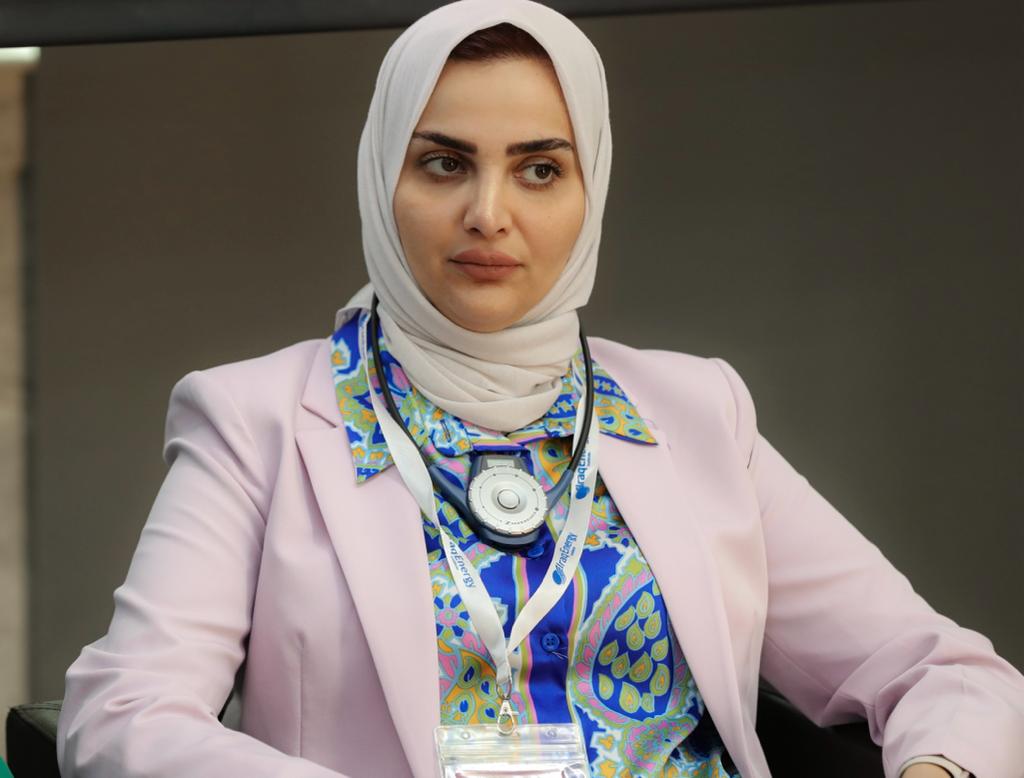
KDP lawmaker Ashwaq Jaff said salary disputes entered the new government program. She noted political understandings between parties and confirmed plans to address delayed payments. Ashwaq Jaffa also explained that discussions included senior leadership. She described progress as part of ongoing negotiations.
The salary dispute remains a major financial issue between Baghdad and Erbil. In particular, authorities link the crisis to oil export disagreements. Moreover, they also cite non-oil revenue disputes. As a result, Baghdad has delayed payments to civil servants repeatedly. Consequently, the issue affects more than one million workers. Overall, total arrears reach nearly twenty-one billion dollars.
Hussein also addressed regional diplomacy challenges. Additionally, he said recent instability affected Iraq’s ties with Gulf states and linked this to wider regional conflict dynamics. At the same time, he pledged efforts to restore relations quickly. However, Hussein also confirmed that ties remain intact despite tensions.
Iraq now enters a critical phase of governance reform. Therefore, leaders expect progress through cooperation and dialogue. In this context, analysts view this period as a turning point for Baghdad-Erbil relations. Likewise, improved coordination may reduce long-standing disputes. Ultimately, political commitment and mutual trust will shape outcomes.