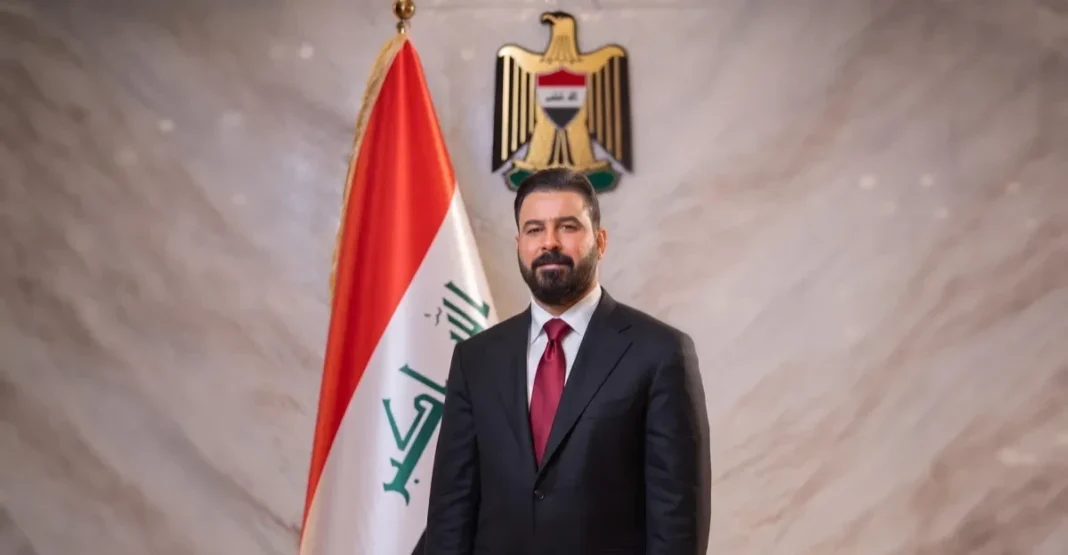
Deep divisions inside the Iraq Shiite Coordination Framework continue to delay the formation of a new federal government. Political disputes over key sovereign and security ministries now threaten Prime Minister-designate Ali al-Zaidi’s ability to complete his cabinet before a critical parliamentary deadline.
The growing tensions have intensified the Iraq government crisis 2026, with Thursday emerging as a decisive date for the nomination process. Political sources warn that failure to present the cabinet could end al-Zaidi’s mandate entirely.
Disagreements focus mainly on the oil, interior, and finance ministries. These portfolios remain at the center of negotiations among the Coordination Framework’s competing factions. The alliance, which holds the parliamentary majority, originally nominated al-Zaidi to form the government.
Shaker Abu Turab al-Tamimi, a lawmaker from the Badr bloc, said unresolved ministerial allocations directly delayed submission of the cabinet lineup to parliament. He explained that negotiations inside the alliance remain difficult despite several rounds of talks.
According to al-Tamimi, the interior ministry represented a major point of dispute. The Badr bloc considered the position part of its political entitlement. However, the group eventually accepted alternative ministries instead.
In exchange, Badr reportedly agreed to take the communications and transport portfolios. Nevertheless, officials had not confirmed either appointment by Tuesday. Al-Tamimi stated that the bloc accepted ministries below its expected political share.
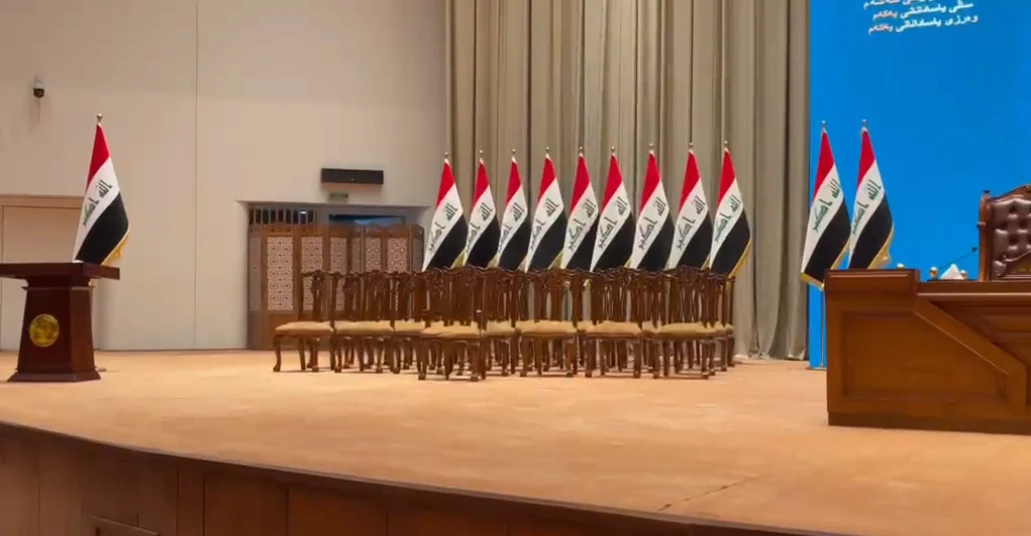
The Iraqi government crisis of 2026 could worsen if parliament fails to hold a confidence vote session on Thursday. Al-Tamimi warned that missing the deadline would signal failure to form the government. He also suggested that some political factions may actively seek to block al-Zaidi’s nomination.
Meanwhile, concerns over outside influence continue to grow. Shakhwan Abdullah, head of the Kurdistan Democratic Party parliamentary bloc, said regional and international interference could delay cabinet announcements until next week.
Pressure has also emerged from Basra lawmakers. Members of parliament representing the province signed a petition demanding what they described as Basra’s ministerial entitlement. Their demands focus on the oil, transport, and water resources ministries.
The lawmakers warned they could boycott the parliamentary confidence session if political leaders ignore their demands. As a result, tensions continue to rise ahead of the expected vote.
The Iraqi government crisis of 2026 now reflects broader political fragmentation inside Iraq’s ruling coalition. Competing factions continue to negotiate over influence, representation, and control of strategic ministries.
Ultimately, al-Zaidi faces mounting pressure to secure agreements quickly. Failure to do so could deepen political instability and prolong Iraq’s government formation deadlock.