The Anfal genocide trial opened at Baghdad Rusafa Court on Thursday. The case involves a former Ba’ath-era prison official accused of serious crimes. Prosecutors link the case to abuses committed during the Anfal campaign against Kurds. Additionally, the trial represents a major step in addressing historical atrocities in Iraq.
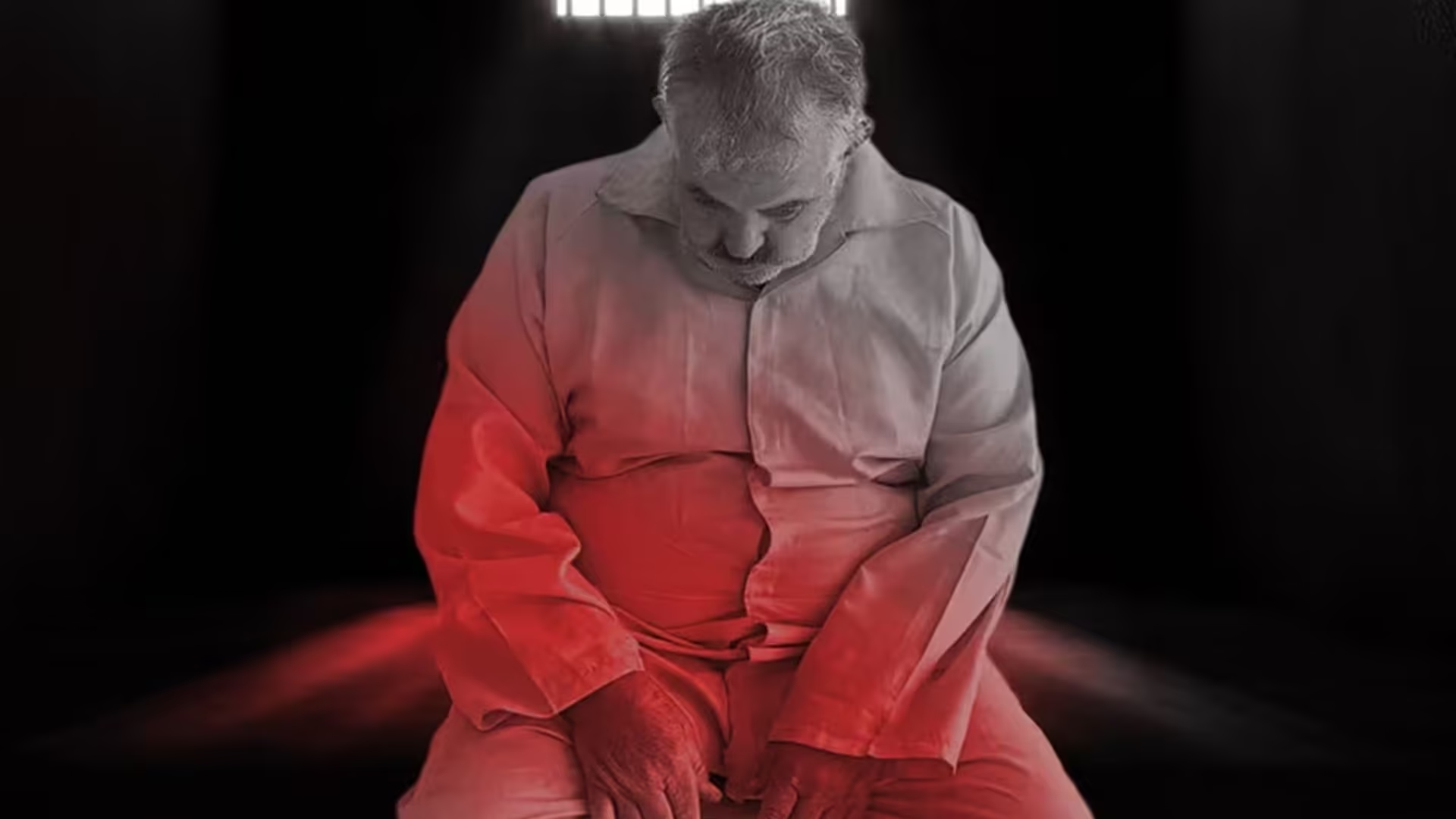
Authorities accuse Ajaj Ahmad Hardan al-Tikriti of involvement in killings and torture at Nugra Salman prison. Furthermore, the allegations include abuse of Kurdish detainees, including women, children, and elderly prisoners. The court heard that the prison operated as one of the harshest detention sites during that period.
Around 300 legal complaints have been filed against the accused. Families from Chamchamal, Garmian, and Halabja submitted the cases. They claim that victims suffered torture, beatings, starvation, and execution inside the facility. Moreover, relatives continue to seek recognition and accountability for their losses.
Security forces arrested the suspect in Salah al-Din governorate in August 2025. Investigators say they monitored and tracked him for over six months. He had remained in hiding for more than 37 years. In addition, earlier reports claiming his death turned out to be false.
Survivor Fazila Hussein filed the first legal complaint in the case. She was detained in Nugra Salman during the late 1980s and released in 1990. She emphasized that survivors must take part in judicial proceedings. Moreover, she continues to recall the conditions and violence inside the prison.
The Anfal campaign took place between February and September 1988. It unfolded in eight phases targeting Kurdish populations across Iraq. Human rights reports estimate between 50,000 and 100,000 deaths. However, Kurdish sources suggest the number could reach 182,000.
Nugra Salman prison dates back to 1930 in Muthanna governorate. It later detained thousands of Kurds during the 1980s. Additionally, it stands today as a symbol of repression under the Ba’ath regime, which ruled Iraq from 1968 until 2003.
Judges expect the Anfal genocide trial to continue with further hearings. Legal experts point to the scale of evidence and testimonies, which may extend the case. Meanwhile, families of victims keep demanding justice and accountability. Observers believe the case could shape future war crimes prosecutions in Iraq.