Minority lawmakers intensified calls for stronger political representation during ongoing government formation talks in Baghdad. Moreover, minority rights in Iraq emerged as a central issue during recent meetings between community representatives and Kurdistan Region President Nechirvan Barzani.
Leaders from the Yazidi, Sabean-Mandaean, and Feyli Kurdish communities announced a joint political effort to secure constitutional rights in Iraq’s next cabinet. Furthermore, representatives requested a ministerial position for minority communities after years of political marginalization.
Khalid Sido, head of the Yazidi bloc in Iraq’s parliament, confirmed the agreement on Wednesday. He explained that the three communities now coordinate their political demands through a unified platform.
Sido stated that the alliance seeks stronger participation in state institutions. In addition, the groups want greater influence during negotiations over the next federal government.
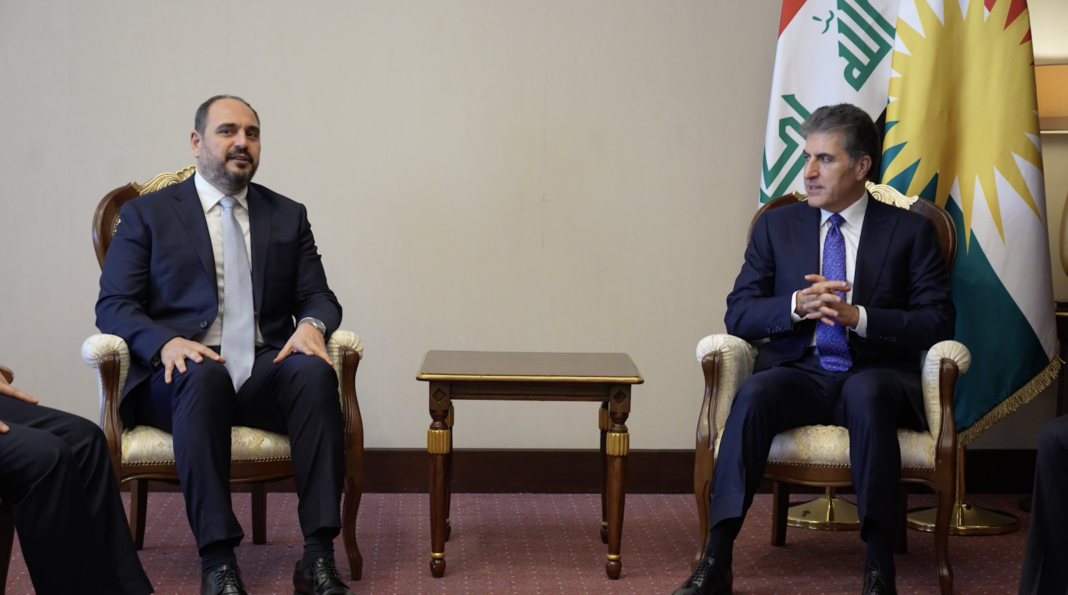
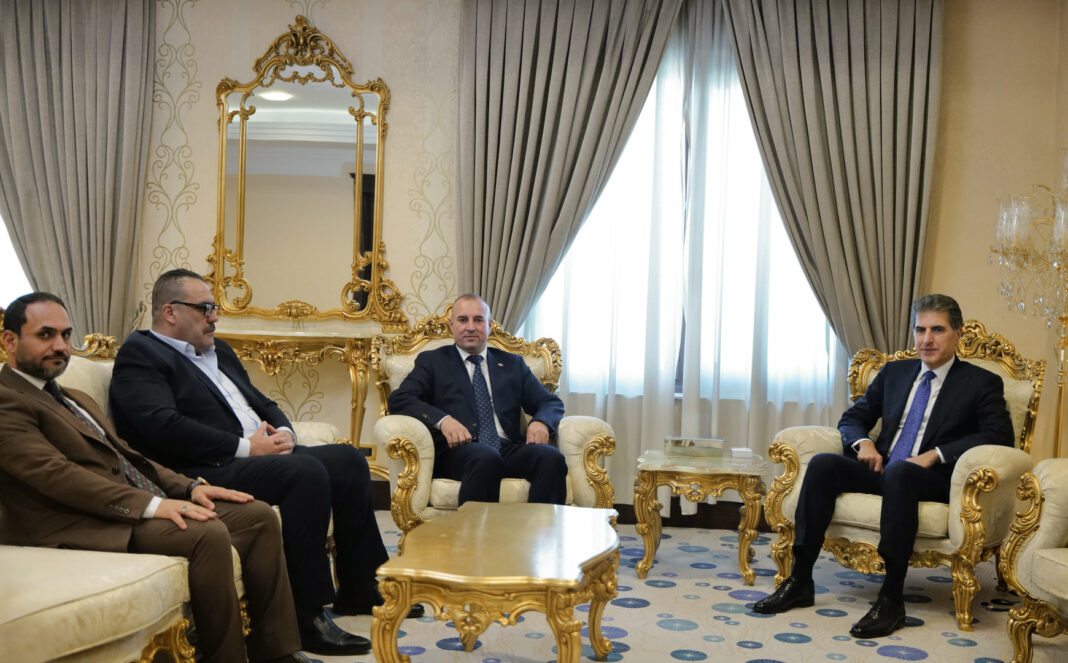
During a two-day visit to Baghdad, Barzani held several meetings with Iraqi political leaders and parliamentary figures. He also met Christian lawmakers, lawmakers from Yazidi, Feyli Kurdish, and Sabean-Mandaean communities, and leaders of the National Political Council in Baghdad.
On the second day of the visit, Barzani met minority lawmakers in the Iraqi parliament. According to the Kurdistan Region Presidency, discussions focused on conditions facing these communities across Iraq and the Kurdistan Region.
Sido said the alliance specifically requested either the Ministry of Migration and Displacement or the Ministry of Culture. He argued that Yazidis deserve direct representation after years of suffering and displacement.
“Yazidis have lived in camps for more than 12 years,” Sido said. “Previous governments failed to solve their problems.”
He added that the community now expects meaningful political participation. Consequently, minority representatives believe a ministerial position could help address unresolved humanitarian and administrative challenges.
Barzani reportedly pledged support for conveying these demands to major Iraqi political forces, including the Coordination Framework and other parties involved in cabinet negotiations.
Meanwhile, the Kurdistan Region Presidency stressed the importance of broader inclusion within Iraq’s political and administrative institutions. The statement noted that greater participation would strengthen stability and reinforce justice and equality throughout the country.
The issue remains deeply connected to the aftermath of attacks carried out by the Islamic State in 2014. After capturing large areas in northern and western Iraq, the extremist group targeted the Yazidi community in Shingal.
Thousands of Yazidi women and children suffered abduction, sexual slavery, and forced labor. In addition, militants killed at least 5,000 Yazidi men and elderly women during the assault.
The United Nations later recognized the attacks against the Yazidis as genocide. Consequently, discussions surrounding minority rights in Iraq continue to carry major political and humanitarian significance.
Currently, three Yazidi lawmakers represent the community in the Iraqi parliament. However, political leaders say stronger representation remains necessary to protect minority rights in Iraq and ensure long-term stability.