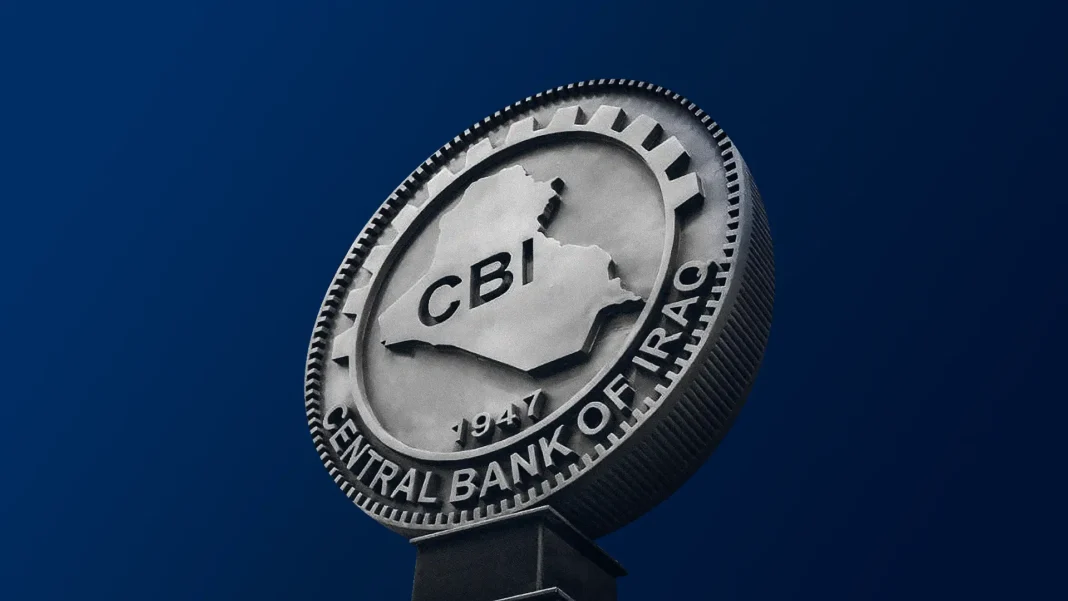
Iraq bank deposits declined significantly during 2025, according to newly released banking sector data. The figures reveal changing financial patterns across government institutions and the private sector.
Official statistics showed that Iraq’s bank deposits dropped by about 10.95 percent during the year. Total deposits reached around 111.165 trillion Iraqi dinars by the end of 2025.
This amount equals roughly 72.3 billion U.S. dollars based on current exchange estimates. The figures highlight a noticeable contraction in overall deposit levels compared with the previous year.
Financial analysts continue monitoring these trends closely. They believe deposit movements often reflect broader economic confidence and liquidity within the banking system.
Government-related accounts represented a major portion of total deposits. Deposits from the central government reached approximately 36.497 trillion dinars during the reporting period.
This amount equals nearly 23.7 billion U.S. dollars in value. Government deposits, therefore, remained one of the largest segments of Iraq’s banking reserves.
Public institutions also maintained a significant presence in the banking system. Deposits from state institutions reached roughly 23.924 trillion dinars.
That amount equals around 15.5 billion U.S. dollars. These funds often support operational budgets and development programs across various sectors.
Meanwhile, the private sector accounted for the largest share of deposits overall. Private companies and individuals held deposits totaling about 50.644 trillion dinars.
This amount equals roughly 32.9 billion U.S. dollars. Despite the annual decline, private accounts still dominate the structure of Iraq’s bank deposits.
While deposits declined, lending activity followed a different trend during the same period. Banks increased total credit levels compared with the previous year.
Total credit rose from about 73.265 trillion dinars in 2024. That figure increased to roughly 75.584 trillion dinars during 2025.
The increase represents a growth rate of around 3.07 percent. In dollar terms, credit expanded from approximately 47.6 billion to 49.1 billion dollars.
Government borrowing formed a large share of this lending activity. Credit extended to the central government reached about 26.271 trillion dinars.
This amount equals roughly 17.1 billion U.S. dollars. Government borrowing often supports infrastructure, salaries, and public sector spending.
Public institutions also received smaller lending allocations from banks. Loans to these institutions reached about 2.300 trillion dinars.
That value equals around 1.5 billion U.S. dollars. These funds typically support state agencies and public service operations.
Meanwhile, private sector borrowing represented the largest share of total credit. Lending to businesses and individuals reached about 47.013 trillion dinars.
This amount equals approximately 30.6 billion U.S. dollars. Strong lending demand shows continued activity in Iraq’s commercial sector.
Economic observers say several factors could explain the decline in Iraq’s bank deposits. Inflation concerns and alternative investment choices may influence deposit behavior.
Additionally, rising economic uncertainty often encourages businesses to use funds instead of saving them. This behavior can temporarily reduce total deposits across financial institutions.
Despite the decline, analysts believe credit expansion signals continued economic activity. Banks continue supporting business operations through lending and financing.
Looking ahead, financial experts will closely monitor Iraqi bank deposits during the coming years. Changes in savings patterns could shape the stability of the country’s banking system.