USD/IQD exchange rates remained stable across major Iraqi cities on Wednesday, February 18, 2026. Currency traders reported nearly identical figures in Baghdad, Erbil, and Basra. Moreover, the market showed no sharp fluctuations during morning trading hours. From the start of the day, USD/IQD exchange rates reflected balanced activity.
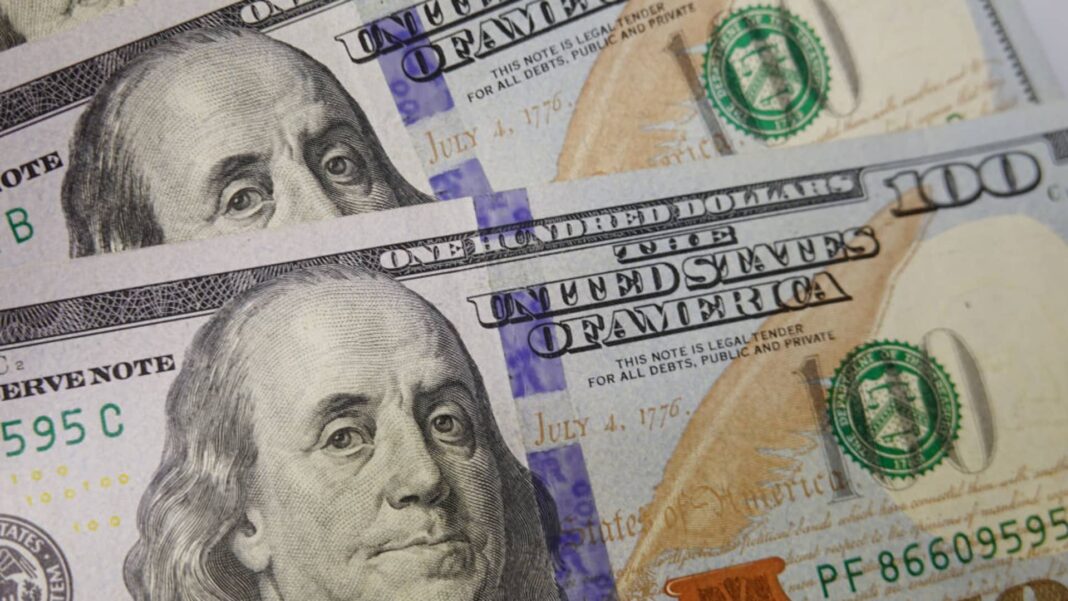
In Baghdad, exchange shops sold $100 for 152,250 Iraqi dinars. At the same time, traders bought $100 for 151,750 dinars. These figures reflected steady demand in the capital’s main currency markets. Traders described the pace of transactions as normal and controlled.
Meanwhile, Erbil recorded the same numbers as the capital. Traders sold $100 for 152,250 dinars. They also bought $100 for 151,750 dinars. As a result, the northern market aligned closely with Baghdad’s rates. Business owners reported smooth currency flow across exchange offices.
Similarly, Basra posted matching prices during early trading. Exchange offices sold $100 for 152,250 dinars. They purchased $100 for 151,750 dinars. Therefore, southern markets mirrored the national trend. Oil-linked commercial activity did not disrupt pricing levels.
Across all three cities, the spread between buying and selling prices stood at 500 dinars per $100. This narrow margin suggested balanced supply and demand. In addition, traders noted consistent dollar availability in local markets. Stable spreads often help businesses plan short-term transactions.
However, the official rate from the Central Bank of Iraq remained significantly lower. The bank set the official exchange rate at 1,320 dinars per dollar. Consequently, a noticeable gap persisted between the official and parallel market rates. This difference continues to shape trading behavior.
Many businesses rely on the parallel market for faster access to dollars. Therefore, street exchange rates frequently influence daily commercial decisions. Importers, in particular, monitor daily changes to manage costs effectively.
USD/IQD exchange rates continue to attract attention from investors and ordinary citizens. People track fluctuations to protect their purchasing power. Furthermore, traders watch regional economic signals that could affect currency movement.
Although rates held steady today, analysts expect ongoing pressure from external and domestic factors. Oil revenues, public spending, and dollar liquidity may influence upcoming sessions. For now, however, USD/IQD exchange rates show stability across Iraq’s key markets.