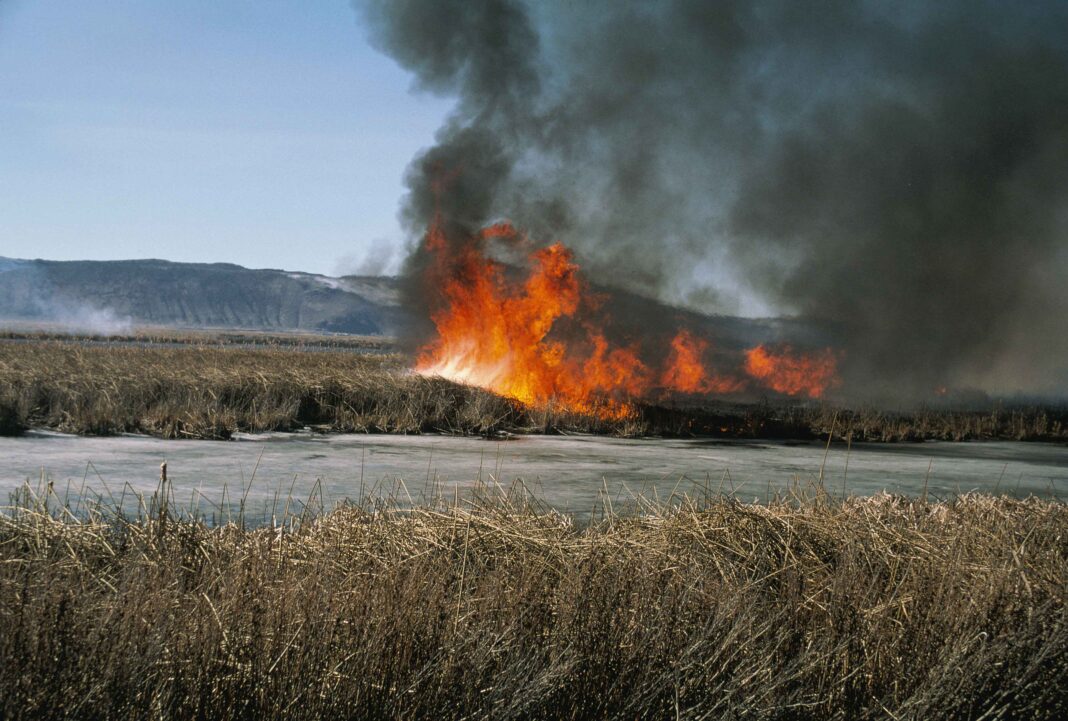

Wheat production drops in Iraq due to worsening drought conditions and ongoing water scarcity. The Ministry of Agriculture confirmed the decrease on Sunday.
Deputy Agriculture Minister Mahdi al-Jubouri explained that Iraq will produce only 5.12 million tons of wheat this year. In comparison, Iraq harvested 5.4 million tons in 2024. The decline reflects the country’s deepening water crisis, which continues to impact agricultural output nationwide.
According to the United Nations, Iraq ranks fifth among the countries most affected by climate change. Several factors contribute to this crisis. Both Turkey and Iran have built dams that reduce water flow into Iraq. Since Iraq lacks binding water agreements with either country, the drought’s effects have intensified.
Wheat production drops in Iraq despite government efforts to manage the crisis. However, al-Jubouri noted that fruit and vegetable crops have remained stable. These crops require less water and are easier to maintain, even in harsh summers.
The Ministry of Agriculture recently celebrated achieving self-sufficiency in wheat for the third consecutive year. According to Shafaq News, wheat from Iraq’s provinces—excluding the Kurdistan region—has reached four million tons so far.
During a ceremony marking this milestone, Minister Abbas Al-Maliki highlighted the government’s continuous support for farmers. He stressed that the ministry provides seeds, fertilizers, and agricultural tools. Moreover, they promote modern irrigation to reduce water waste and counter the desertification trend.
Still, wheat production drops in Iraq compared to earlier years. Before the Ukraine conflict, Iraq consistently produced higher quantities. For instance, Iraq harvested 4.7 million tons in 2019, 6.2 million in 2020, and 4.2 million in 2021.
Now, due to water shortages and degraded farmland, Iraq imports wheat to meet demand. While the government remains committed to agricultural sustainability, the country’s climate and regional disputes pose major obstacles.
If Iraq does not resolve these issues, it may struggle to meet future food demands.