The Korek Telecom dispute has entered a new and more serious phase after Iraq’s telecommunications regulator intensified its actions against the company. The Communications and Media Commission said Korek had failed to comply with its decisions, while negotiations between both sides had reached a dead end.
Baligh Abu Kallal, head of the Commission, described the matter as a technical and regulatory dispute. He said Korek had failed to meet several requirements set by the regulator.
Moreover, Abu Kallal claimed that the company owes the Commission more than two trillion Iraqi dinars. He also said Korek has debts outside Iraq exceeding one billion dollars.
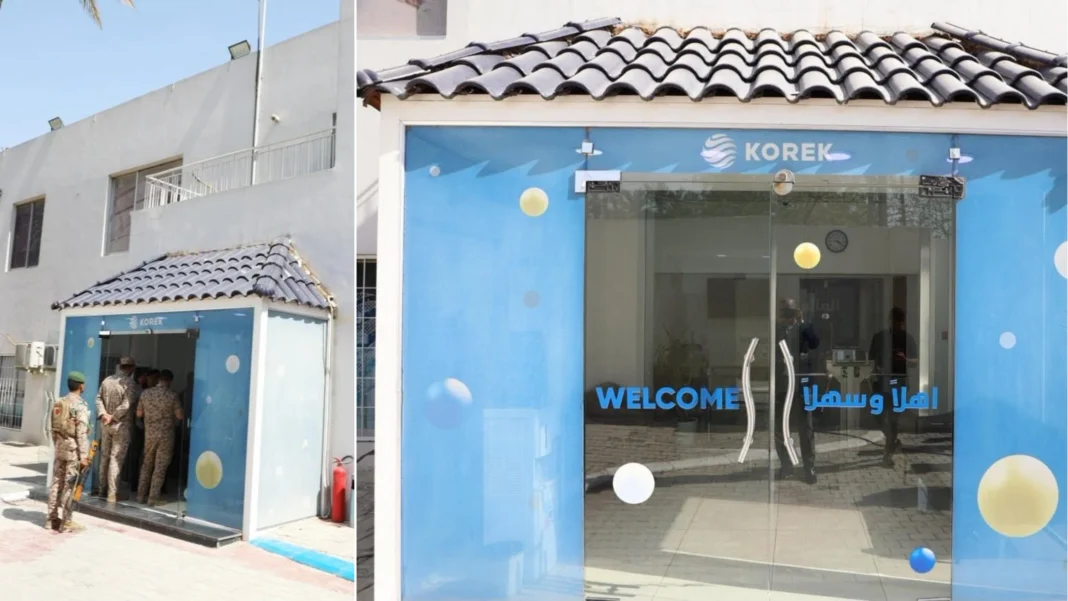
“So far, there is no solution with Korek,” Abu Kallal said, adding that authorities had begun closing the company’s offices in Baghdad.
The Commission recently closed several Korek locations across the Iraqi capital. These included sales centers in Arasat, Mansour, and Palestine Street. Authorities also shut the company’s main headquarters in the Jadriyah district.
The regulator said it coordinated the measures with Iraq’s National Security Service. According to the Commission, the closures form part of its efforts to enforce decisions concerning Korek’s suspended operations.
Meanwhile, officials urged Korek subscribers to take precautions regarding their digital accounts and services. The Commission encouraged customers to register alternative phone numbers to avoid potential disruptions.
Abu Kallal also advised subscribers to obtain SIM cards from other telecommunications providers. However, he recommended keeping their existing Korek SIM cards during the transition.
Customers should also update their numbers on important applications. These include WhatsApp, Telegram, Instagram, and banking services.
The Korek Telecom dispute follows years of disagreements between the company and Iraq’s telecommunications regulator. Tensions escalated further in June after the Commission announced the expiration of Korek’s operating license.
The regulator also cancelled a previous settlement agreement over alleged contractual violations and unpaid financial commitments. Earlier enforcement measures had already disrupted some Korek services outside the Kurdistan Region.
However, Korek has strongly rejected the latest actions against the company.
Sirwan Barzani, chairman of Korek Telecom’s board of directors, described the measures as illegal. He argued that authorities had acted outside established regulatory frameworks.
Furthermore, he said the company had taken legal action before three Iraqi courts.
Earlier this month, Korek accused the Commission of taking arbitrary measures. The company also suggested that political considerations influenced the actions against its operations.
Korek appealed directly to Iraqi Prime Minister Ali al-Zaidi for intervention. However, Abu Kallal rejected claims that politics caused the escalating confrontation.
He said both sides had previously reached a comprehensive settlement containing 14 points. However, he claimed Korek failed to provide required guarantees and settle outstanding tax obligations.
Abu Kallal added that the Commission had waited approximately eight months for a response. According to him, regulators repeatedly proposed solutions without receiving a satisfactory answer.
The Korek Telecom dispute now remains unresolved as the Commission continues enforcing its decisions. Meanwhile, Korek maintains that it will challenge the measures through legal channels.