Iraq has started talks with the World Bank about financing major improvements across its national electricity network. The proposed power grid loan would support urgent transmission projects and improve electricity supplies throughout the country.
Electricity Minister Ali Saad Wahib discussed the proposal with World Bank Country Director Emmanuel Salinas Munoz. During the meeting, both sides reviewed projects under the current financing agreement. They also identified important projects that could receive support through the new loan.
The discussions focused mainly on removing serious bottlenecks across Iraq’s electricity transmission network. These problems limit the movement of electricity between power plants, cities, and provinces. Therefore, network upgrades could help Iraq use its available production more effectively.
Moreover, the ministry wants to improve the stability and efficiency of the national grid. Aging equipment and weak transmission lines continue to create operational difficulties. Consequently, Iraq needs large investments to modernize substations, transmission lines, and control systems.
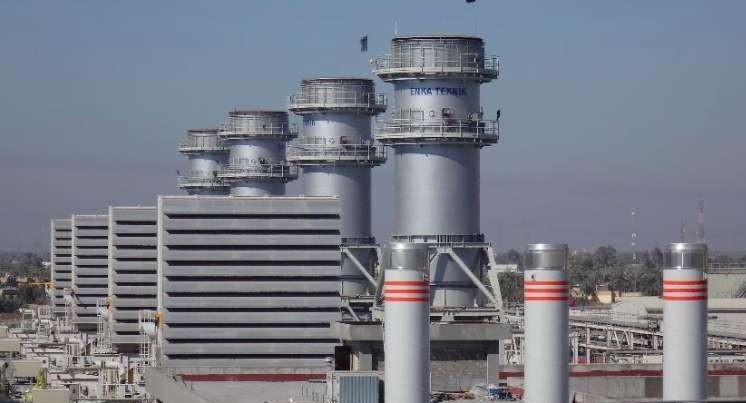
The meeting also covered gas supplies for Iraqi power stations. Iraq needs reliable fuel supplies to operate its generating units at full capacity. However, fuel shortages often force power stations to reduce production or suspend some operations.
Additionally, Iraqi officials discussed plans for an electricity connection with Gulf countries. The regional link could provide Iraq with another source of electricity. Furthermore, it could reduce the country’s dependence on a limited number of external energy suppliers.
Wahib stressed the importance of funding projects that could deliver clear improvements. He said infrastructure investment would help the ministry increase efficiency and raise supply levels. Therefore, the government wants the loan to focus on projects with direct public benefits.
Iraq currently faces an electricity shortage exceeding 35,000 megawatts each day. Domestic generation has reached only around 24,600 megawatts during periods of high pressure. Meanwhile, national demand often ranges between 55,000 and 60,000 megawatts during summer.
As a result, many households and businesses experience long power cuts during periods of peak demand. Private neighborhood generators often cover part of the shortage. However, these generators increase costs for families and create additional environmental problems.
Gas supplies from Iran also play an important role in Iraqi electricity production. Iraq receives around 20 million cubic meters of Iranian gas each day. Any reduction can quickly lower generation levels at several major power stations.
Therefore, Baghdad wants to protect its current capacity while developing alternative energy sources. The government also plans to add new generating units and strengthen local gas production. In addition, regional connections could give the electricity system greater flexibility during emergencies.
A successful power grid loan could help the ministry complete these upgrades more quickly. However, Iraq will need clear planning, strong oversight, and effective project management. These measures could prevent delays and ensure that financing supports priority infrastructure.
The government must also coordinate electricity projects with its broader fuel and energy plans. New generating capacity cannot solve the crisis without enough gas and strong transmission lines. Therefore, officials need to develop generation, fuel supplies, and grid infrastructure together.
Meanwhile, stronger electricity supplies could support factories, businesses, hospitals, and public services. Reliable power could also attract investment and reduce operating costs across several economic sectors. Consequently, electricity reform remains important for Iraq’s wider economic development.
The proposed power grid loan represents one part of Iraq’s broader response to the electricity crisis. The country still needs long-term reforms alongside new financing and construction. Nevertheless, cooperation with the World Bank could support important improvements across the national network.